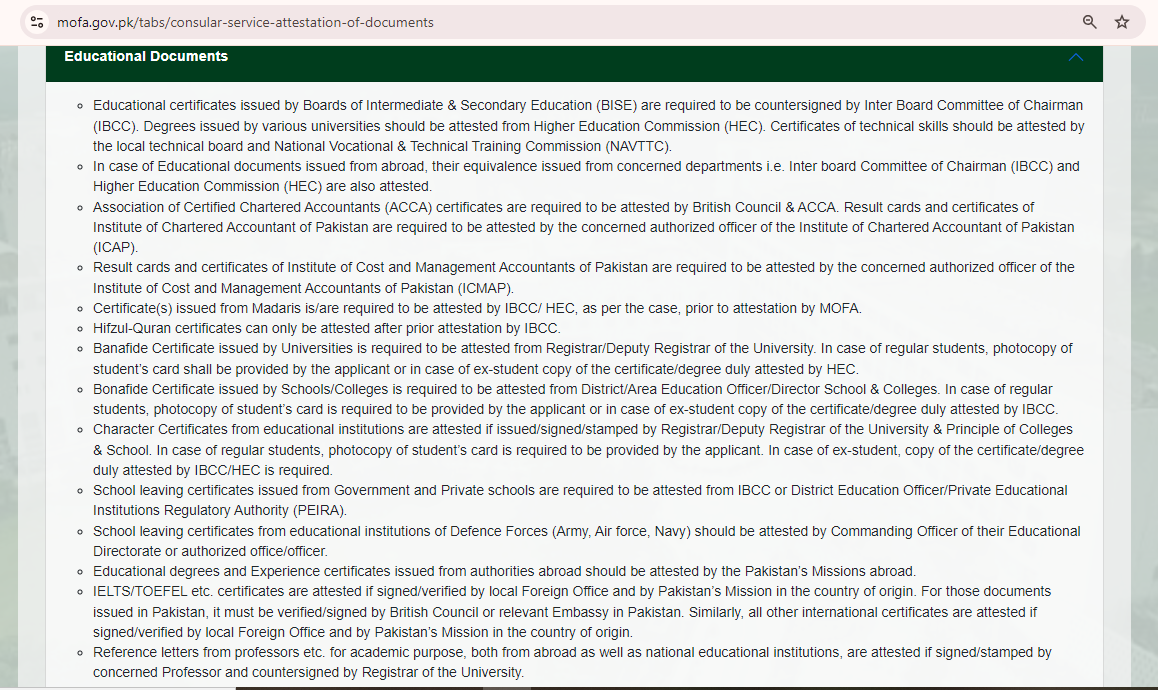
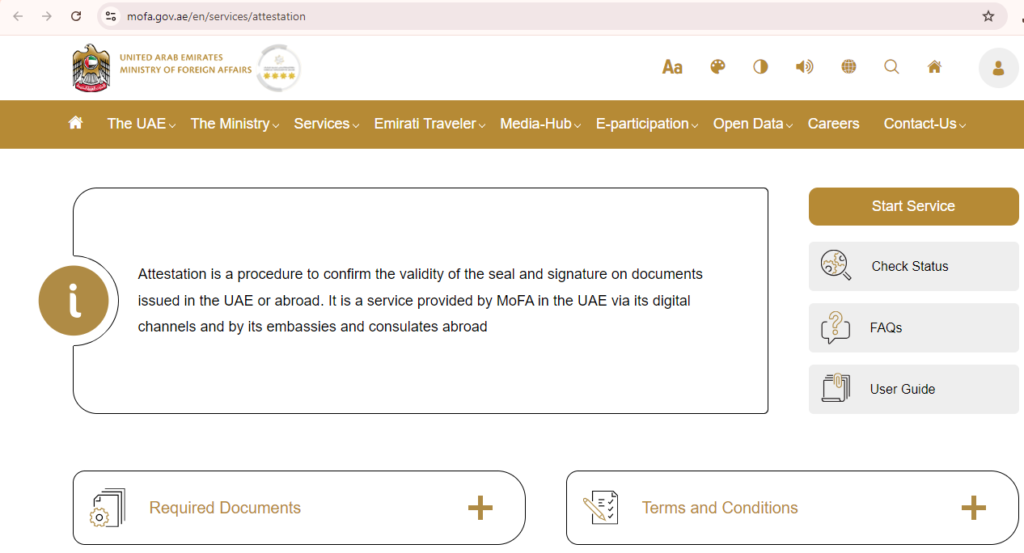
For Pakistani nationals in the UAE or those who have obtained their degrees from Pakistan, degree attestation is a crucial step for employment, further education, or business purposes in the UAE. This guide provides an in-depth look at the process of Pakistan degree attestation for UAE, its importance, and how Amazon Attestation Services can assist you.
Why is Pakistan Degree Attestation Important?
Attestation of your Pakistan-issued degree is important for several reasons:
Legal Recognition: It ensures that your degree is recognized and accepted by employers and educational institutions in the UAE.
Employment: Most employers in the UAE require attested degrees for job applications, especially for high-level positions. Now it is Compulsory for almost all jobs.
Further Education: Universities in the UAE often require attested degrees for admission to higher education programs.
Process of Degree Attestation in UAE
The attestation process typically involves the following steps:
Attestation by the Higher Education Commission (HEC) in Pakistan:
in the first Step You have to Attest or verify degree from higher education commission of Pakistan (HEC). The HEC attests the degree, confirming its authenticity.
Ministry of Foreign Affairs (MOFA) Attestation in Pakistan:
The degree is then attested by Ministry of foreign affairs MOFA in Pakistan. Documents from Ministry of foreign affairs MOFA can now be attested using Tcs or other courier services. For Verification from MOFA Please visit…
Next step after you have verified your degree from HEC and foreign office Pakistan is to get it attested from UAE embassy. To get is verified or attested from UAE Embassy in Pakistan You have to use services of SASHA. SASHA is an independent attestation service company authorized by UAE embassy Pakistan for Documents attestation. To Book appointment and get Further Details Please visit Sasha Website.
Finally, the last step is to get the degree attested by Ministry of foreign affairs MOFA in the UAE. To get More Details and get appointment please visit link below.
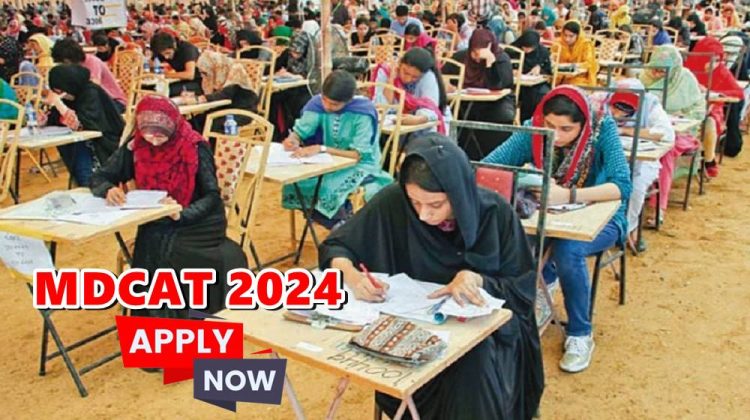
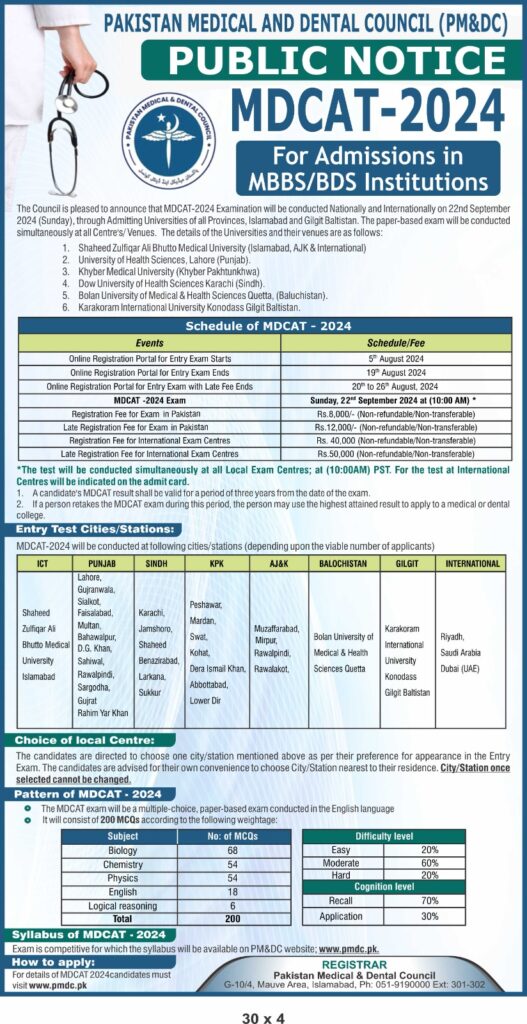
The Pakistan Medical & Dental Council (PMDC) has announced an unprecedented increase in the fee for candidates appearing in the Medical and Dental College Admission Test (MDCAT), set for September 22, 2024. The fee has risen from Rs6,000 to Rs8,000 per candidate, sparking concerns among students and their families, especially given that the actual cost per candidate is estimated to be less than Rs1,000. This hike places an additional financial burden on parents who have already invested heavily in private coaching, which can cost between Rs70,000 and Rs90,000.
The PMDC, along with Khyber Medical University (KMU), has taken over the MDCAT following issues of cheating in previous exams. Last year, candidates were caught using modern devices, but accountability was lacking, particularly for those with influential connections. As the MDCAT approaches, PMDC and KMU face significant challenges in preventing malpractice and ensuring a fair testing environment.
This year’s MDCAT will be conducted nationwide, including in Islamabad and Gilgit-Baltistan, with paper-based exams held in six regions of Khyber Pakhtunkhwa. Students are advised to register on the official PMDC website starting August 5.
Dr. Zia-ul Haq, Vice-Chancellor of KMU, emphasized that the fee structure is determined by the PMDC and that KMU is only responsible for organizing the test. With these developments, the focus remains on upholding merit and integrity in the examination process, crucial for the future of aspiring medical and dental professionals.
Stay informed and prepared for the upcoming MDCAT—your future in healthcare depends on it!
For more details about MDCAT please visit PMDC Website below:
Overview: Daraz.pk is the largest online marketplace in Pakistan when it comes to online shopping in Pakistan, founded in 2012 and acquired by Alibaba Group in 2018. It offers a vast selection of products across various categories.
Categories:
Electronics: Mobile phones, laptops, cameras, home appliances.
Fashion: Men’s, women’s, and kids’ clothing, shoes, accessories.
Health & Beauty: Skincare, makeup, personal care products.
Home & Living: Furniture, decor, kitchen and dining items.
Overview: PriceOye.pk specializes in electronics, offering competitive prices and detailed comparisons to help customers make informed decisions while online shopping in Pakistan.
Categories:
Mobile Phones: Latest smartphones from various brands.
Laptops: Various models and brands.
Home Appliances: Refrigerators, washing machines, air conditioners.
Cameras: DSLRs, security cameras, camera accessories.
Smart Devices: Smartwatches, fitness bands, smart home gadgets.
Overview: If you are looking for Online shopping in Pakistan for Clothes, Laam.pk focuses on fashion and lifestyle products, curating collections from top Pakistani designers and brands.
Overview: Elo is well known name in Pakistan for online shopping stores. Its proud Pakistani brand famous for its quality products in reasonable prices. Elo or export left over store is famous for its offering of international branded clothes in very reasonable price.
Categories:
Women’s Fashion: Clothing, shoes, accessories.
Men’s Fashion: Apparel, footwear, accessories.
Fashion: Clothing for men, women, and children.
Beauty & Health: Personal care products, cosmetics.
Jewelry: Traditional and contemporary designs.
Home Decor: Furniture, art pieces, decor items.
These stores provide a comprehensive shopping experience with extensive product ranges, competitive prices, and various customer service options, catering to diverse shopping needs in Pakistan.
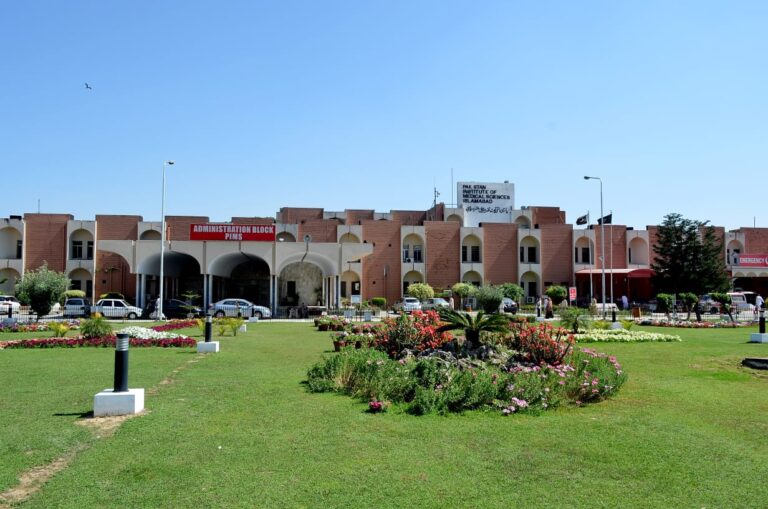
The jobs available at PIMS Hospital Islamabad require an MBBS or equivalent qualification recognized by Pakistan Medical and dental council PMDC. The jobs are located in Islamabad and have various quotas distributed across different regions and categories, including open merit, women, and minorities. A general age relaxation of 5 years has been applied.
Region
Total Positions
Open Merit
Women
Minorities
Open Merit
04
04
–
–
Punjab
39
30
03
06
Sindh (Rural)
16
10
03
03
Sindh (Urban)
18
15
03
–
Khyber Pakhtunkhwa
07
06
01
–
Balochistan
05
04
01
–
Ex-FATA
03
02
–
01
Gilgit-Baltistan
01
01
–
–
Azad Jammu & Kashmir
01
01
–
–
Qualification / Experience
MBBS or equivalent qualification recognized by PMDC.
Additional Information
5 years of general age relaxation has already been added.
Location of Job: Islamabad
View Advertisement for Jobs in PIMS Pakistan Institute of Medical Sciences, Islamabad
To apply for jobs in PIMS Hospital Islamabad Visit National jobs portal site below:
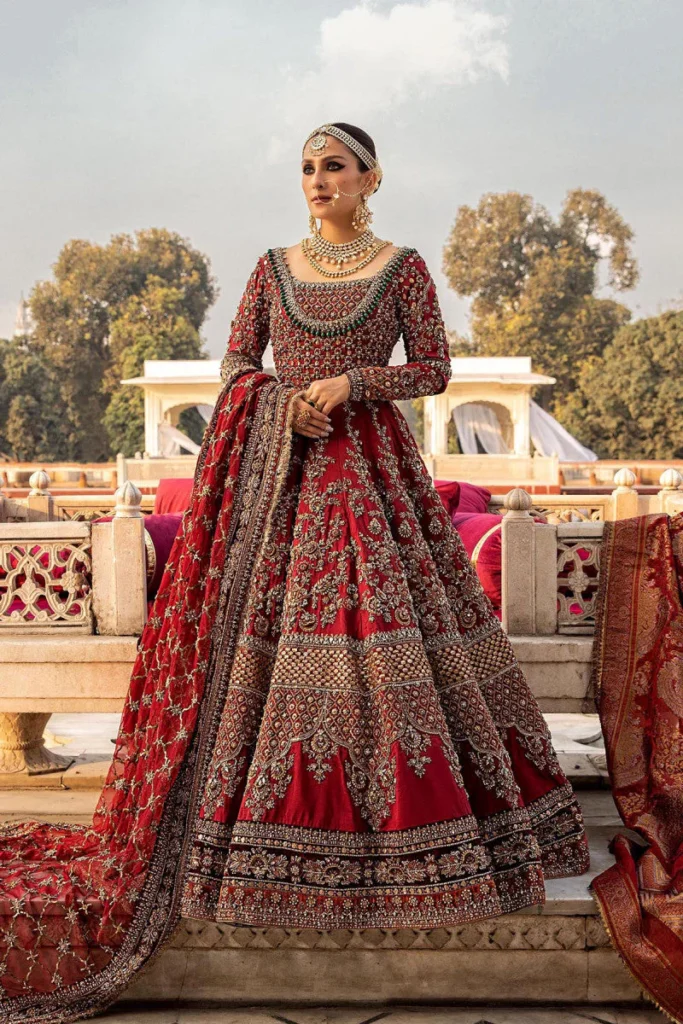
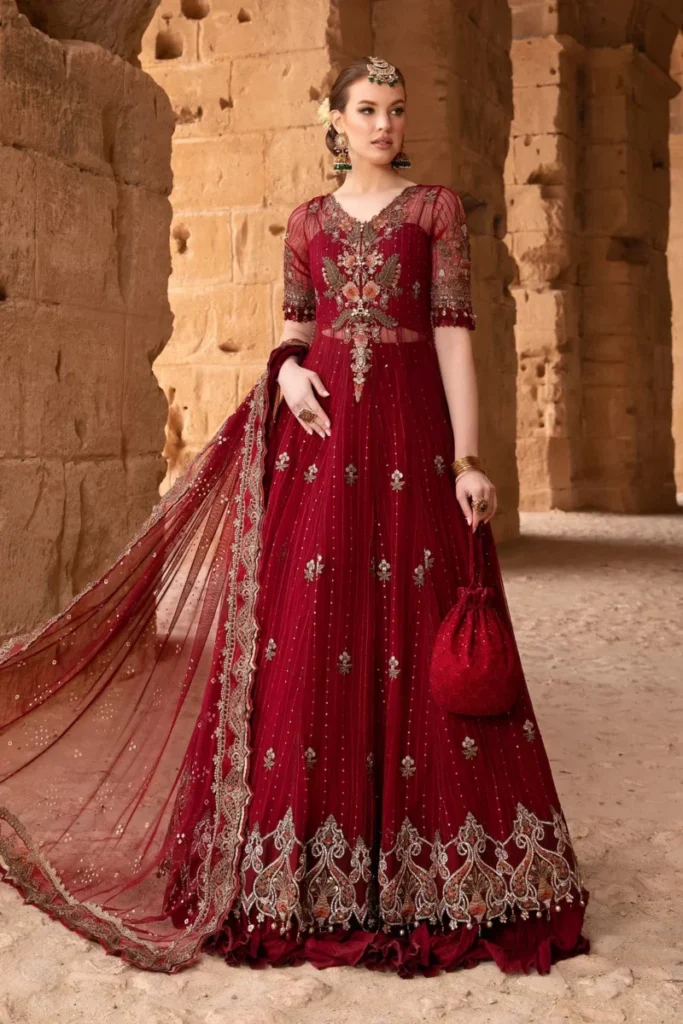
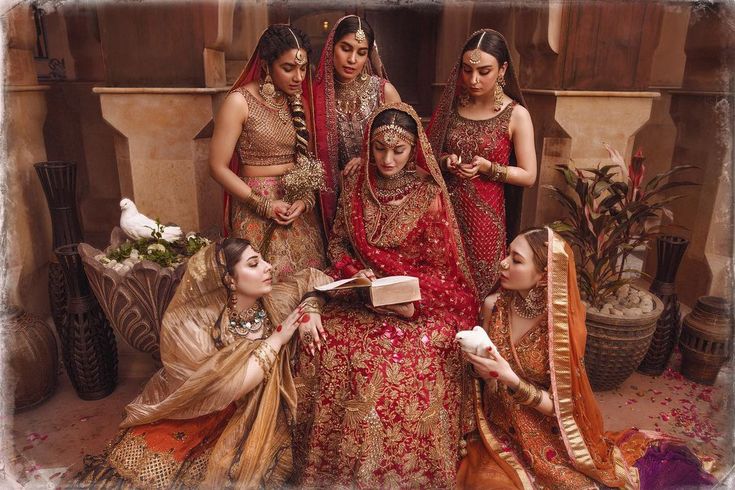
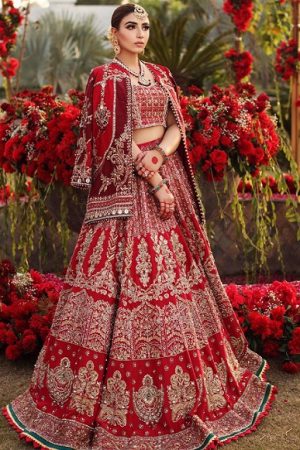
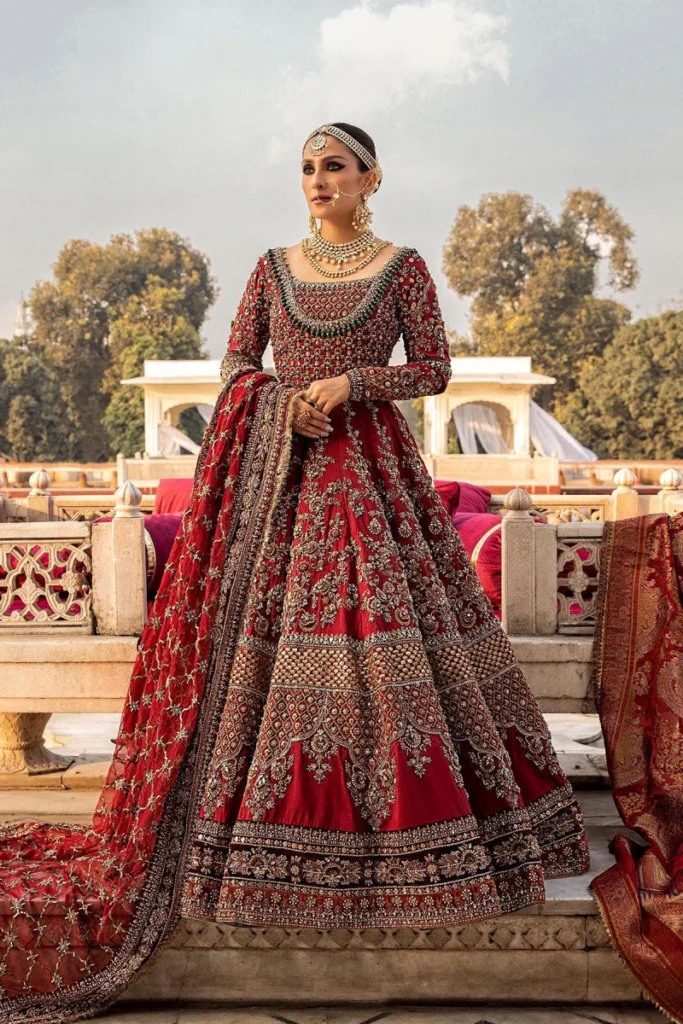
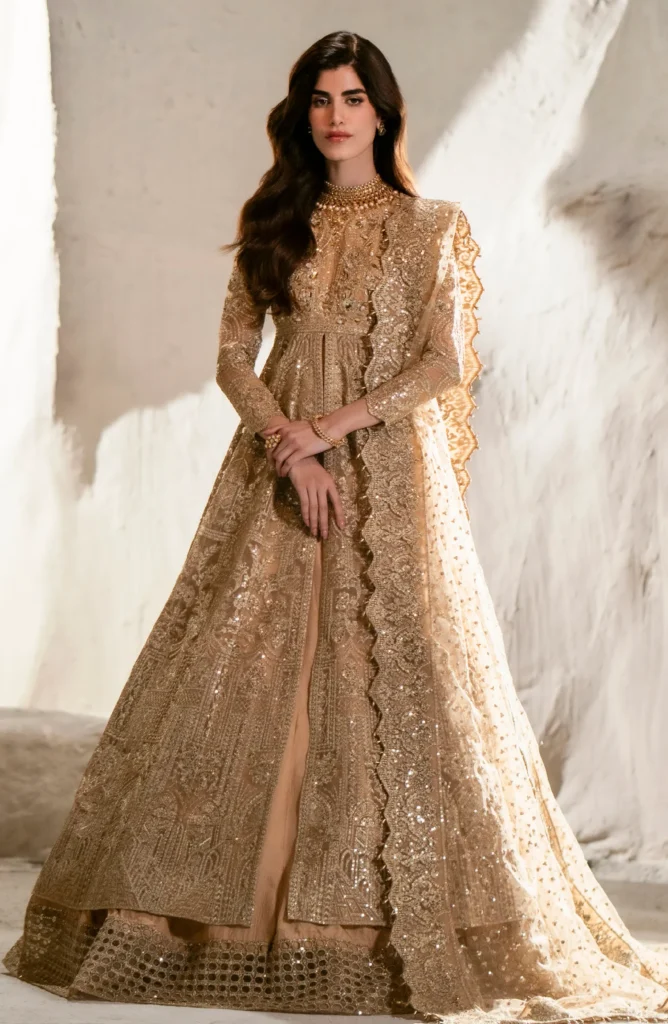
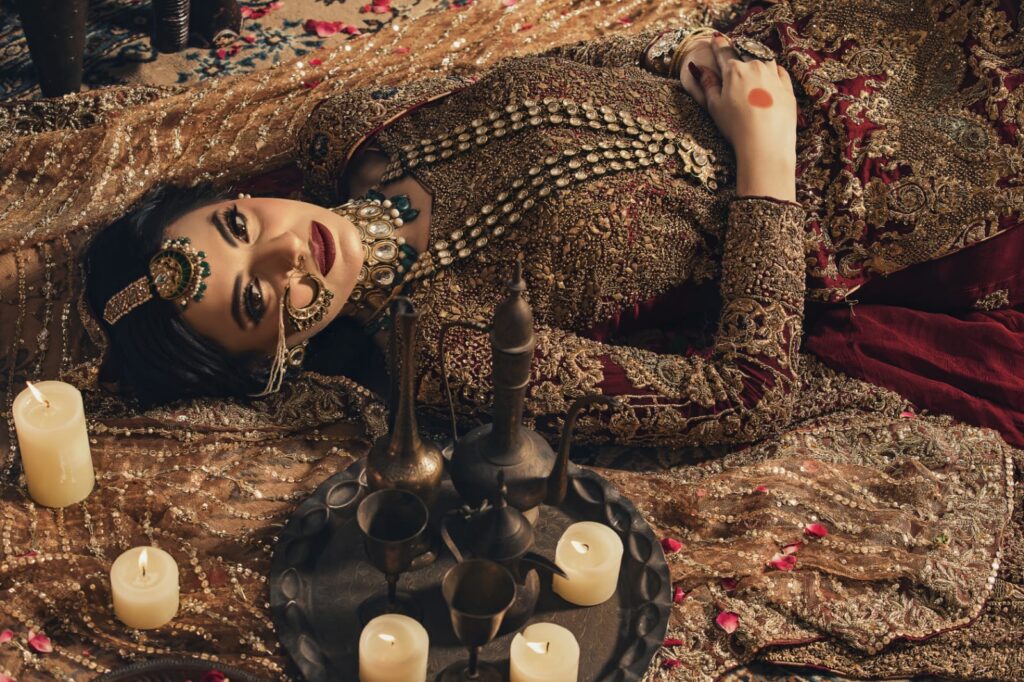
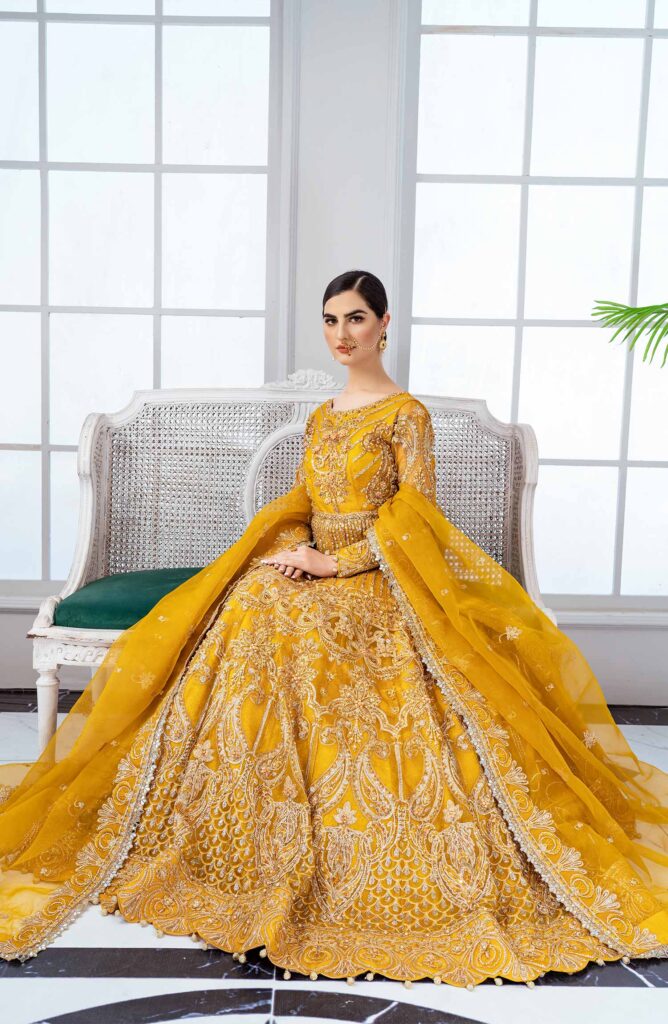
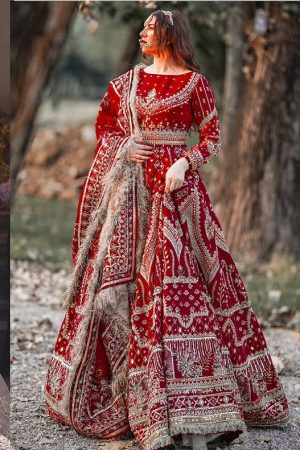
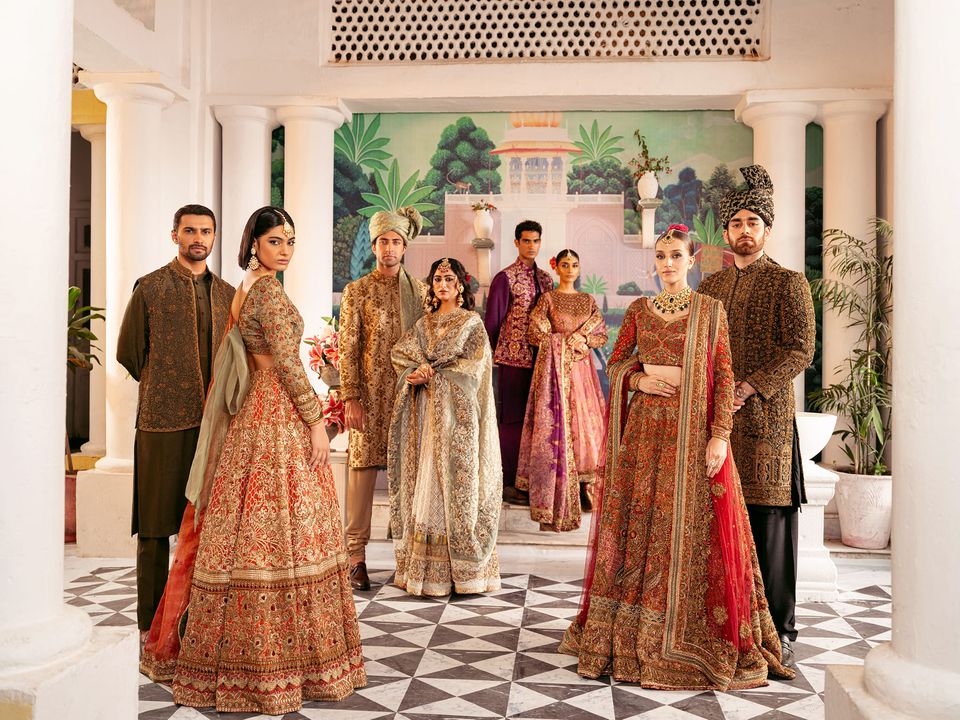
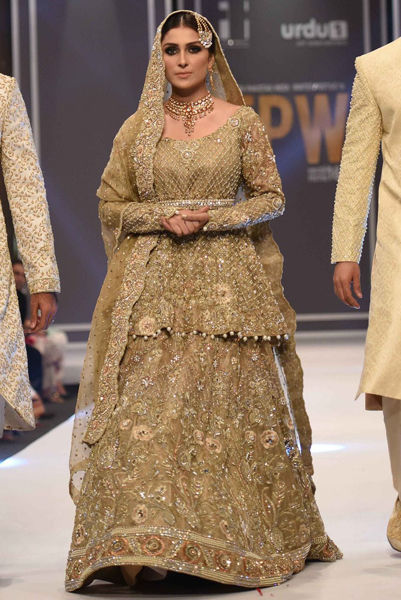
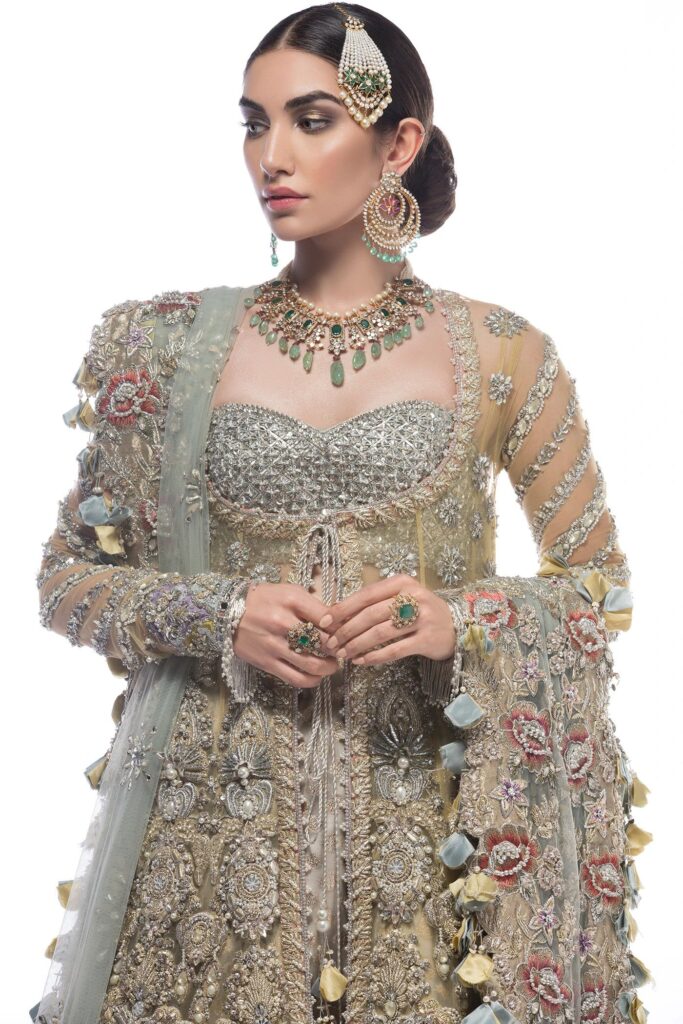
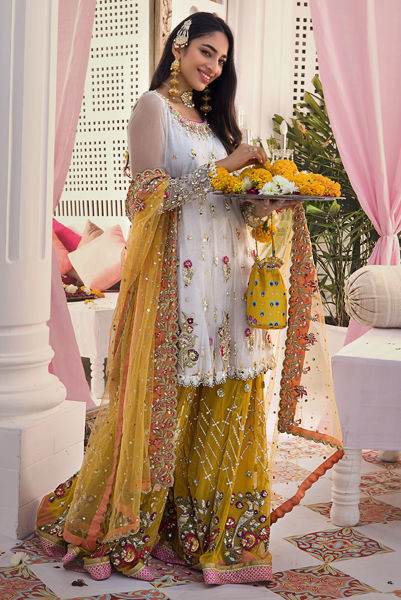
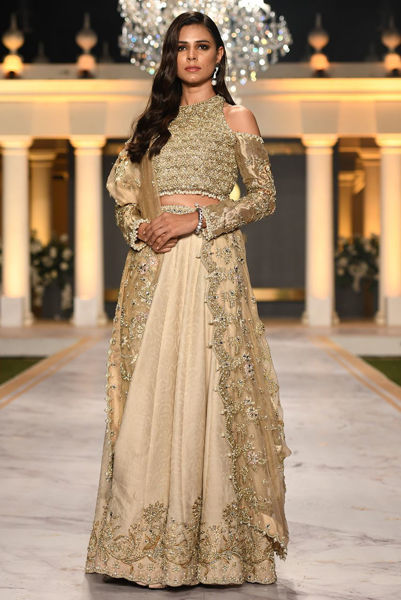
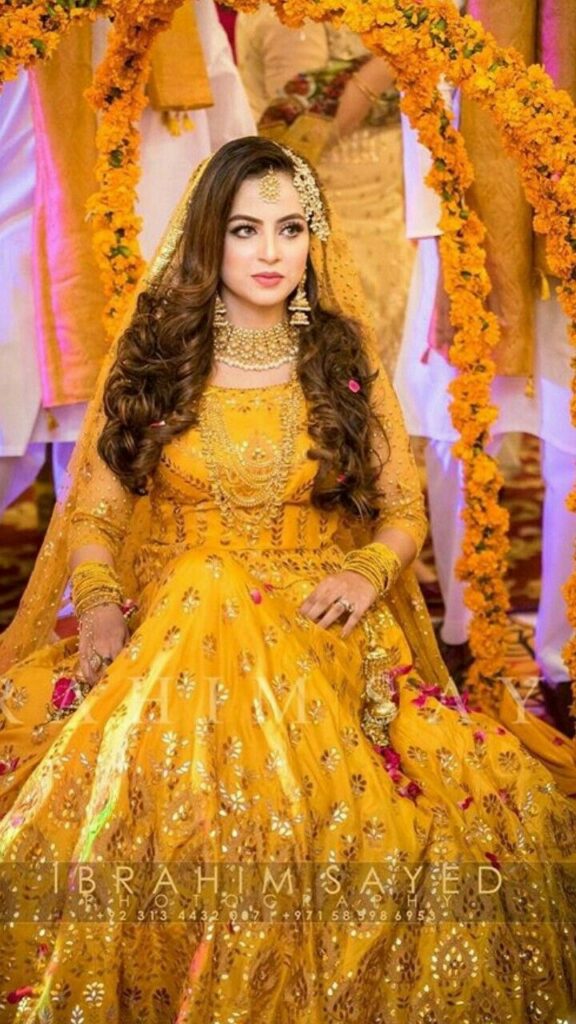
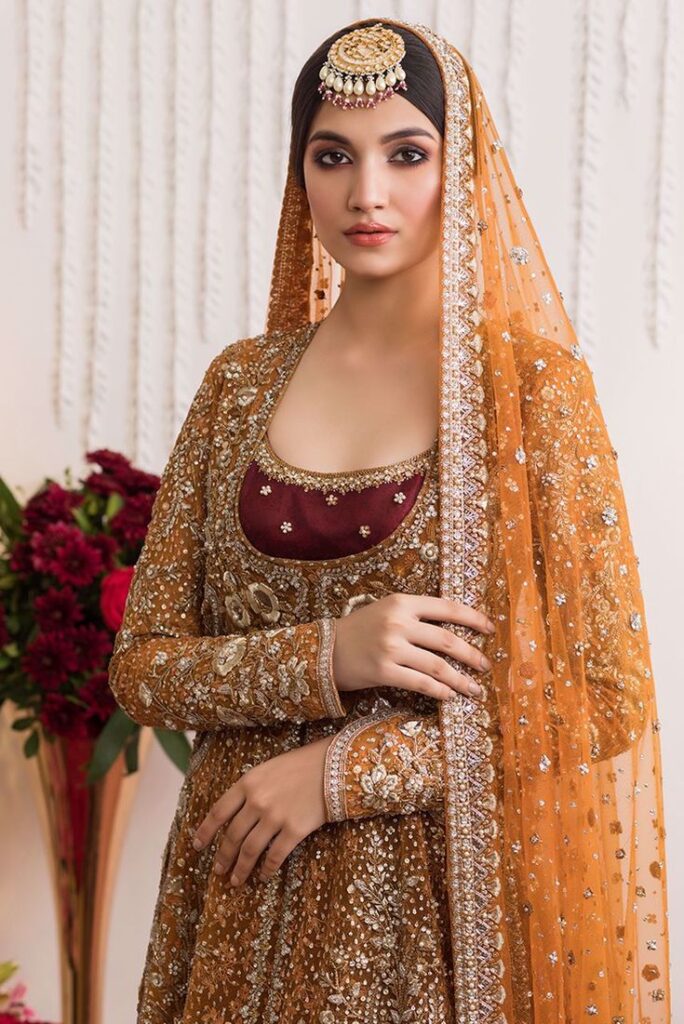
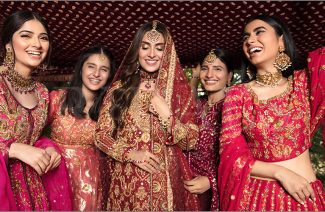
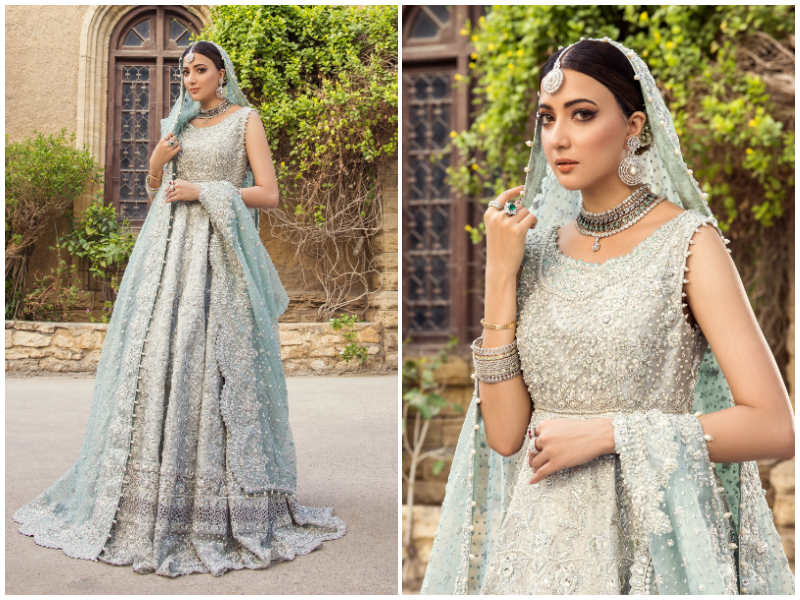
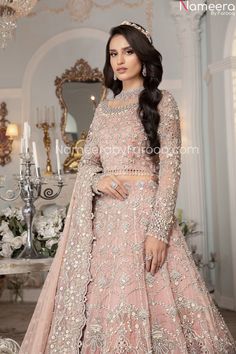
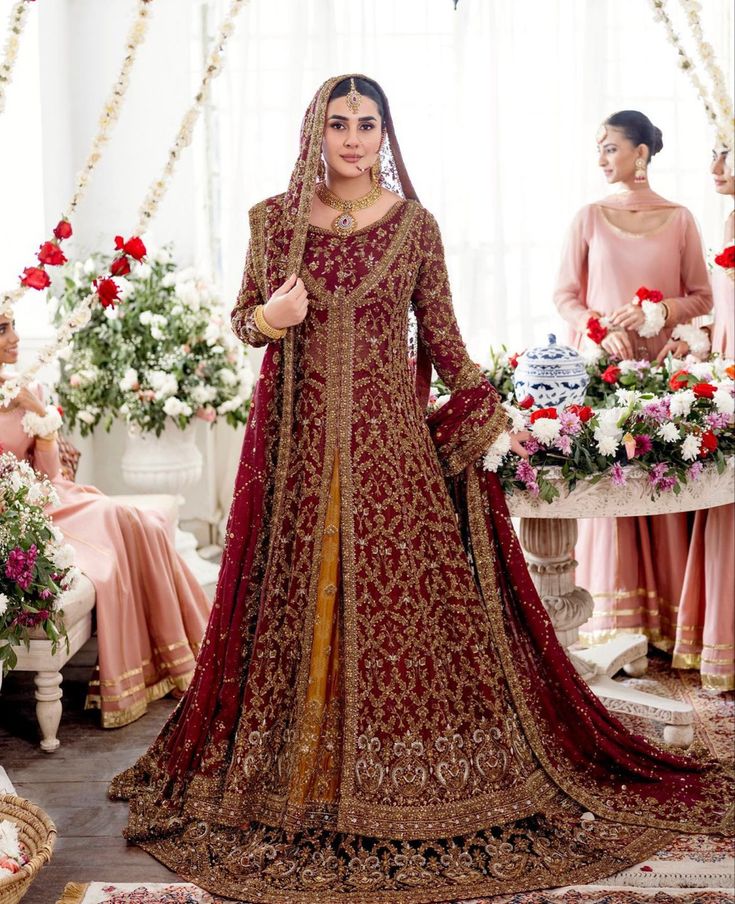
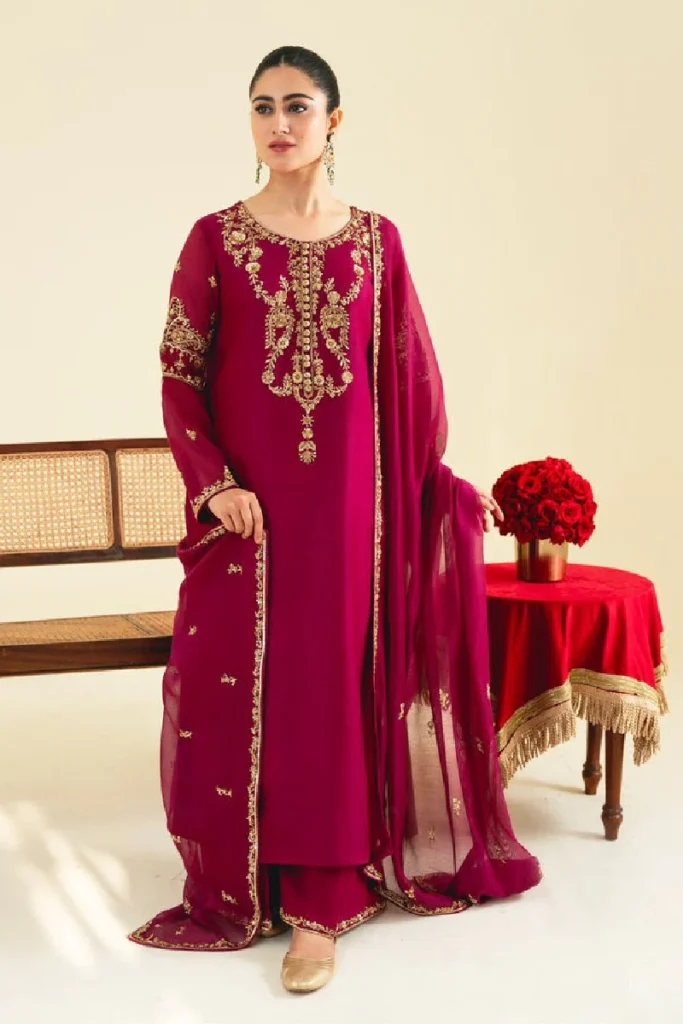
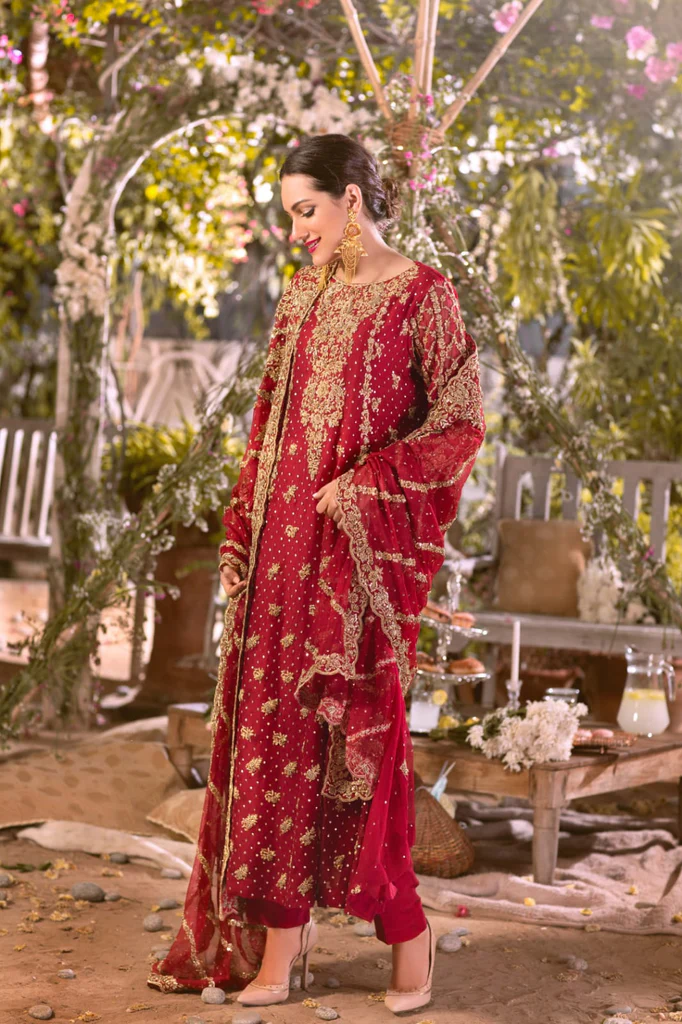
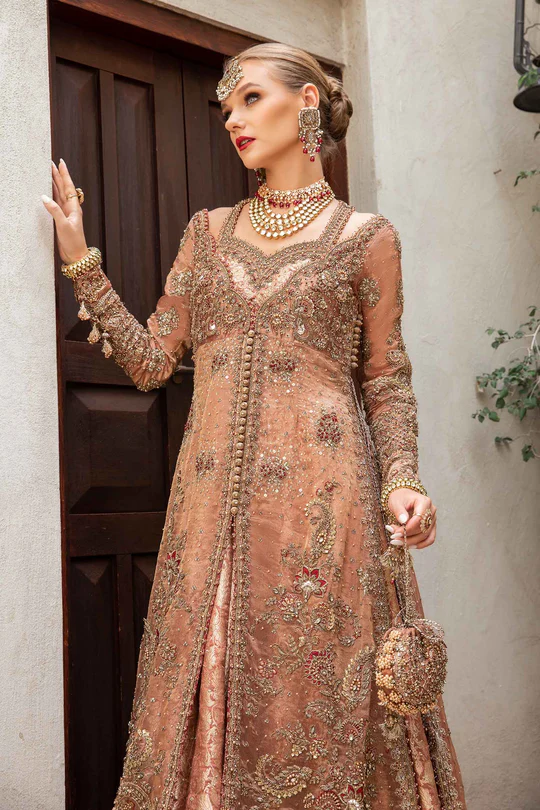
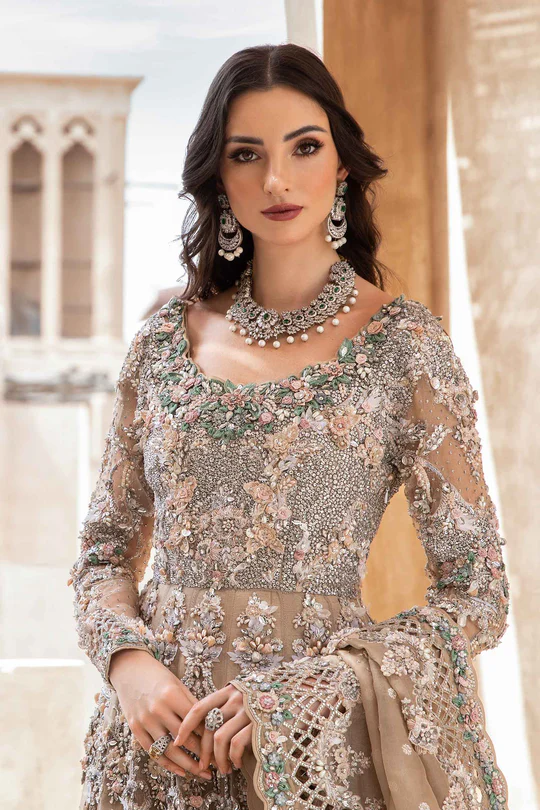
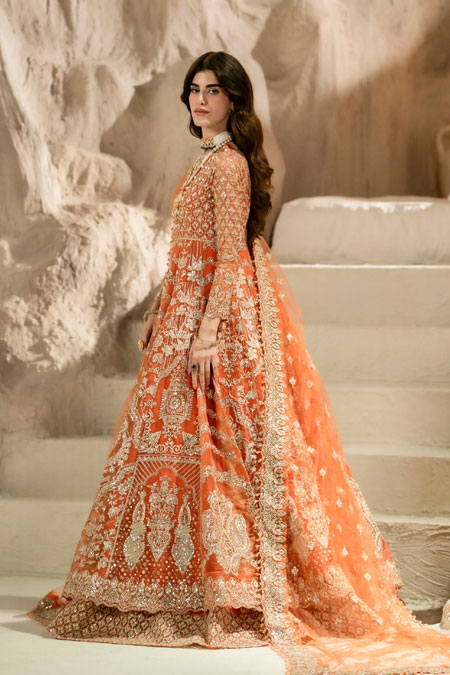
Pakistan is rich in cultural heritage, and the immense love for fashion and style is evident. Our designers and their Bridal wear dresses are recognized not only in Pakistan but internationally as well. It’s our fashion that connects this country globally. Here are the top 10 brands for the best bridal wears in Pakistan, which are on every bride’s checklist for sure:
Maria B is renowned for its luxurious bridal wear dresses in Pakistan. Adored by almost everyone, Maria B is a bit expensive but one of the top-selling brands in bridal couture. Their bridal range includes intricate embroidery, rich fabrics, and modern silhouettes. They also offer a vast range of formal wear and daily wear attires for women.
Zaaviay is a game-changer in the industry of bridal wears in Pakistan. They provide hand-crafted, embellished dresses to meet your bridal needs any day. Their affordable and reasonable bridal wear collection has grasped the market phenomenally. Zaaviay’s bridal wear collection is a sight to behold, featuring traditional and contemporary designs. They also offer formals and semi-formals, perfect for weddings. With international shipping, Zaaviay has expanded its reach globally.
HSY (Hassan Sheheryar Yasin) is a leading fashion designer in Pakistan known for his luxurious bridal wear. HSY’s bridal collection includes intricate embroidery, rich fabrics, and stunning silhouettes that make every bride feel like royalty. His designs are a perfect blend of traditional and contemporary elements.
Deepak Perwani is an influential fashion designer in Pakistan, known for his modern and minimalist contemporary designs. His bridal wear dresses are not only elegant but also super classy, making every bride look unique. The collection includes traditional heavy bridal wear and modern chic designs. Deepak Perwani’s formal wear collection caters to urban contemporary women of Pakistan.
Elan is another top bridal brand known for its luxurious and exquisite bridal wear. Their collection features intricate embroidery, detailed embellishments, and rich fabrics. Elan’s bridal dresses are a perfect blend of tradition and modernity, making every bride feel special on her big day.
Sania Maskatiya’s bridal collection is every bride’s dream come true. Their range of crafted bridal collections portrays bridal dreams into reality. Featuring unique colors and pure fabrics, their versatile collection includes heavily embroidered lehengas, elegant gowns, and traditional shararas.
Zainab Chottani started as a bridal wear designer but now includes prêt and formals in her collection. She knows the true dreams of every bride and portrays that through her intricate designs. Her bridal collection includes richly embroidered lehengas, luxurious gowns, and chic shararas, ensuring every bride feels special on her big day.
Agha Noor is synonymous with elegance and uniqueness. Their bridal collection leaves everyone in awe with intricate designs and luxurious fabrics. They offer a range of bridal lehengas, gowns, and formals, adored both nationwide and internationally.
Faraz Manan has managed to impress not only Pakistanis but people across the border. His dresses can be seen on top Bollywood stars. Faraz Manan is a master of thread work detailing, which can be seen in his luxurious bridal lehengas, chic gowns, and elegant shararas. His collection is perfect for brides who want a blend of traditional and contemporary designs.
Maryum and Maria are experts in the field of bridal design. Their designs portray the rich Pakistani culture, and it’s commendable how they are taking the legacy to the next level. Their bridal collection includes traditional lehengas, modern gowns, and luxurious shararas, all made with intricate embroidery and rich fabrics.
These top 10 brands have set the bar high in the Pakistani bridal wear industry, offering a mix of traditional and contemporary designs that cater to every bride’s dream.
The United Kingdom has long been a hub of economic activity, cultural diversity, and career opportunities. Working in the UK can be a dream come true for individuals seeking to advance their careers or explore new horizons. Read below to know how to get UK work visa from Pakistan.
A UK Work Permit, also known as a Tier 2 (General) Visa, allows foreign nationals to work in the United Kingdom. This visa is specifically designed for skilled workers and is part of the Points-Based System (PBS), which assesses applicants based on various criteria.
Schedule and attend a biometric appointment at a visa application center.
Wait for a Decision
Processing time: 3 weeks (outside the UK) or 8 weeks (inside the UK).
Costs and Financial Requirements
Visa Type
Application Fee
Healthcare Surcharge
Personal Funds
Skilled Worker Visa
£625 to £1,423
£624 per year
At least £1,270
Start-up Visa
£378
£624 per year
At least £1,270
Graduate Work Visa
£715
£624 per year
–
Domestic Worker Visa
£531
–
–
Minister of Religion Visa
£625
£624 per year
At least £1,270
Youth Mobility Scheme
£259
£470 per year
At least £2,530
Global Business Mobility Worker Visa
£259
£624 per year
At least £1,270
Temporary Worker Visa
£259
£624 per year
At least £1,270
Processing Time
Outside the UK: 3 weeks.
Inside the UK: 8 weeks.
Financial Requirement
Most Visas: At least £1,270 in your bank account.
Exemptions: If you have been in the UK with a valid visa for one year or your employer will support you financially for the first month with at least £1,270.
Indefinite Leave to Remain (ILR)
Some UK work visas can lead to ILR, allowing permanent residency in the UK. Examples include the Minister of Religion Visa and the International Sportsperson Visa.
1. What is the minimum salary requirement for the Skilled Worker Visa?
The minimum salary requirement varies depending on the job and the specific occupation code. Typically, it is at least £25,600 per year or the “going rate” for the job, whichever is higher.
2. Can I switch jobs on a Skilled Worker Visa?
Yes, you can switch jobs, but you will need to apply for a new visa if you change your employer or job role. The new job must also meet the eligibility requirements.
3. How can I prove my English proficiency?
You can prove your English proficiency by passing an approved English language test at the required level or by having an academic qualification that was taught in English and is recognized by UK NARIC.
4. What is a Certificate of Sponsorship (CoS)?
A CoS is a unique reference number provided by your UK employer. It confirms that you have a valid job offer from an approved sponsor and provides details about the job and your personal information.
5. Can I bring my family with me on a UK Work Visa?
Yes, you can bring your spouse/partner and children as dependents. They will need to apply for a dependent visa and meet certain requirements.
6. What happens if my visa application is delayed?
If your visa application is delayed, it could be due to missing documents or additional checks. Ensure that all required documents are submitted correctly to avoid delays.
7. Is the healthcare surcharge refundable?
The healthcare surcharge is generally non-refundable, even if your visa application is unsuccessful. However, you may be eligible for a refund if you overpay or if your application is withdrawn.
8. How long can I stay in the UK with a work visa?
The duration of stay depends on the type of visa. For example, the Skilled Worker Visa can be valid for up to 5 years, and you can apply to extend it.
9. Can I apply for Indefinite Leave to Remain (ILR) with a work visa?
Yes, certain work visas, such as the Skilled Worker Visa, Minister of Religion Visa, and International Sportsperson Visa, can lead to ILR after meeting specific residency and eligibility criteria.
Conclusion
Obtaining a UK work visa from Pakistan involves understanding the types of visas available, checking eligibility, obtaining a certificate of sponsorship, gathering necessary documents, applying online, attending a biometric appointment, and waiting for a decision. Ensure you meet financial requirements and understand the costs involved. For further assistance, use the provided contact information and online resources.
Disclaimer
This guide provides a general overview. Always refer to the official UK government website for the most accurate and updated information.
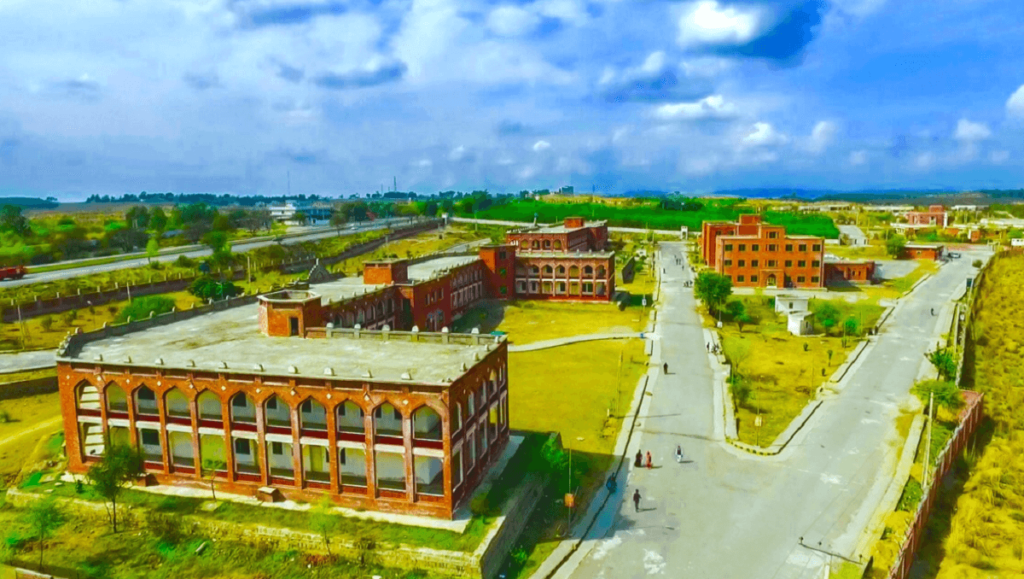
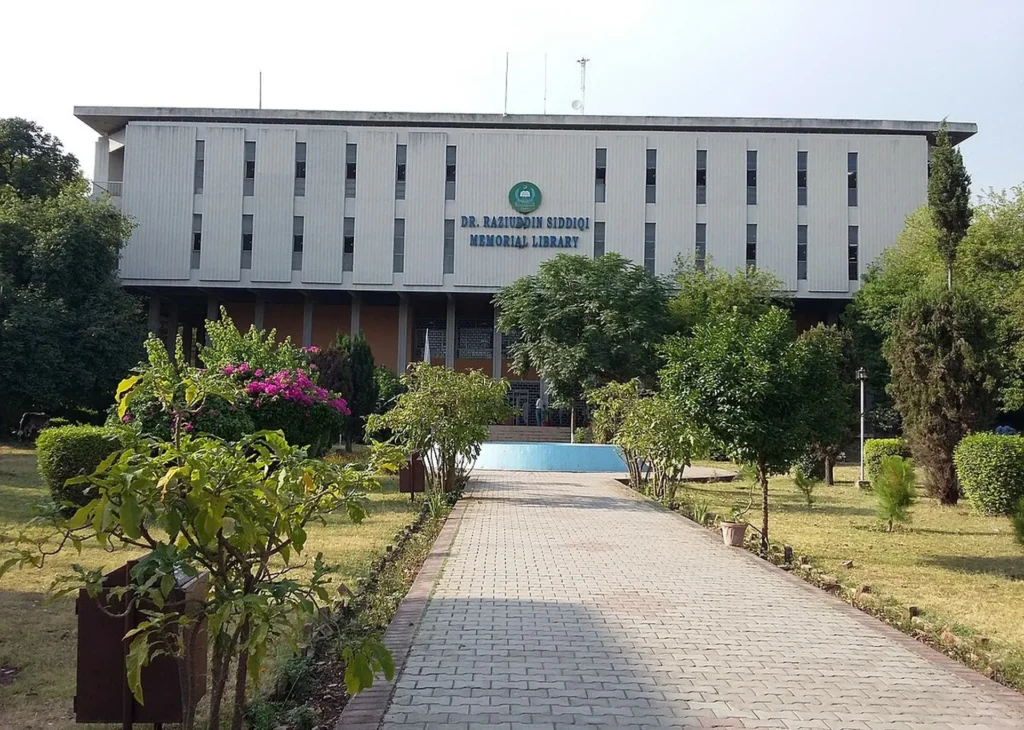
Choosing the right law university is a pivotal decision that can shape your future career in the legal field. Pakistan is home to several prestigious law schools that offer top-notch education and training. In this blog post, we will explore the eight best law universities in Pakistan, providing you with essential information to help you make an informed choice.
The University of Punjab, located in Lahore, is one of Pakistan’s oldest and most prestigious institutions for legal education. Known for producing eminent judges, chief justices, and lawyers, Punjab University offers a variety of law programs including:
LL. B (5 Years Morning Program)
Ph.D. in Law
Masters in Law (LL.M)
The University Law College at Punjab University is a hub of student activities, with societies such as the Law Moot Society, Debating Society, and Literary Society. The college also promotes sports, enhancing students’ physical and mental skills.
Address: University of the Punjab, Quaid-e-Azam Campus, Lahore 54590, Pakistan Website:University of Punjab Contact: +92-42-99231105-10
2. Quaid-i-Azam University, Islamabad
Quaid-i-Azam University (QAU) in Islamabad is a renowned public research university. With a strong reputation for academic excellence, QAU offers the following law degrees:
BA-LL. B
Masters in Law (LL.M)
Ph.D. in Law
QAU’s School of Law is committed to high moral and ethical standards, providing a research-focused environment. Students can engage in various societies such as the Comparative Law Society and Law Moot Society, along with participating in inter-departmental sports tournaments.
Address: Quaid-i-Azam University, Islamabad 45320, Pakistan Website:Quaid-i-Azam University Contact: +92-51-90642020
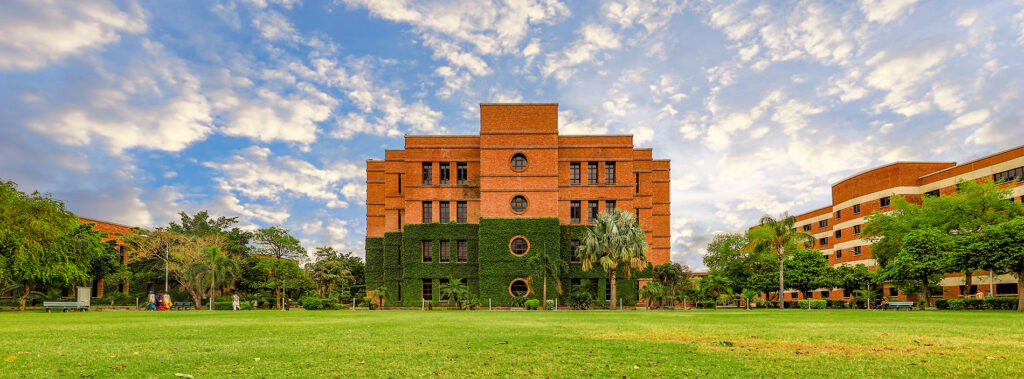
3. Lahore University of Management Sciences (LUMS), Lahore
The Shaikh Ahmad Hassan School of Law at LUMS offers a comprehensive legal education through its BA-LL. B (Hons) program. LUMS combines professional legal training with a liberal arts education, ensuring students receive well-rounded instruction. The university is known for its low student-to-teacher ratio, fostering an interactive learning environment.
Address: Lahore University of Management Sciences, DHA, Lahore Cantt. 54792, Pakistan Website:LUMS Contact: +92-42-35608000
4. International Islamic University, Islamabad (IIUI)
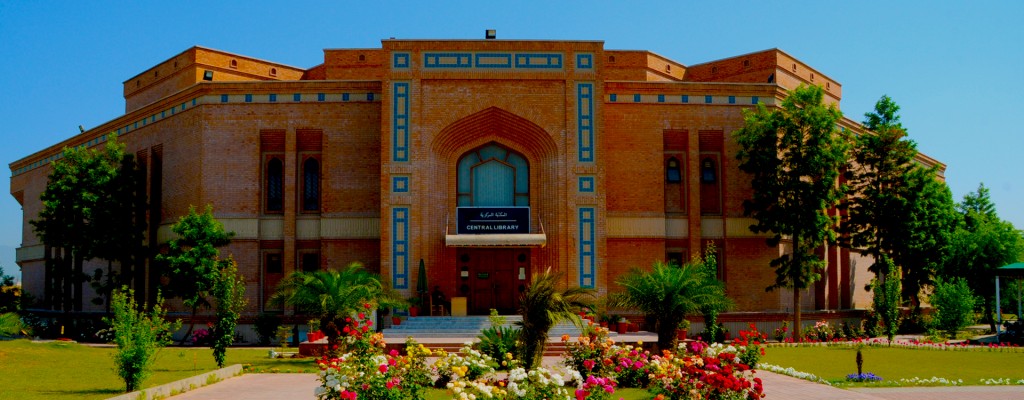
IIUI is a prestigious institution that integrates modern legal education with classical Islamic law. The Faculty of Shari‘ah & Law offers a range of programs:
BA-LL. B (Hons) Shari‘ah and Law
LL. B (5 Years)
LL.M in various specializations
Ph.D. in Law
IIUI emphasizes the reconstruction of human thought on Islamic foundations and offers extensive sports and co-curricular activities to its students.
Address: International Islamic University, H-10, Islamabad, Pakistan Website:IIUI Contact: +92-51-9019400
5. Hamdard University
Hamdard University, with campuses in Islamabad and Karachi, offers a strong LL. B (5 years) program. The university focuses on providing excellent liberal education and preparing students for future academic careers. Hamdard University also hosts various sports and extracurricular activities to keep students engaged.
Address: Hamdard University, Main Campus, Madinat al-Hikmah, Hakim Mohammad Said Road, Karachi 74600, Pakistan Website:Hamdard University Contact: +92-21-36440035-40
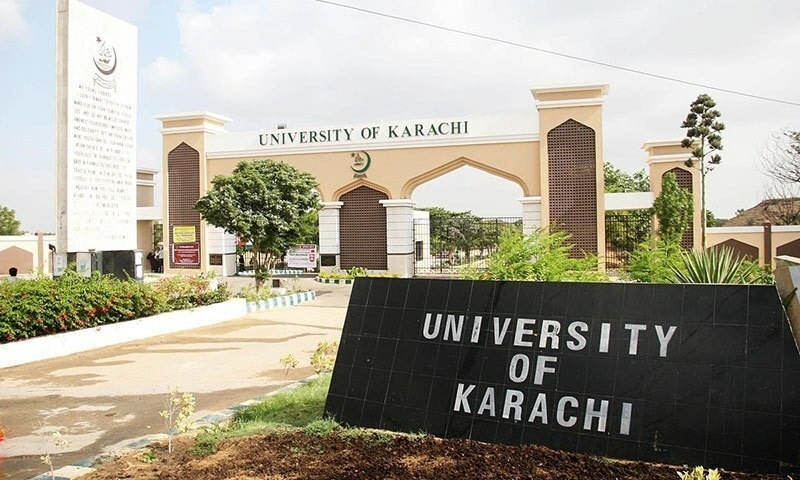
6. University of Karachi
The University of Karachi, a public university, offers comprehensive law programs including:
LL. B (5 Years)
Masters in Law (LL.M) (2 Years)
The university provides flexible education opportunities and supports a range of student societies and sports facilities, promoting a holistic educational experience.
Address: University of Karachi, Main University Road, Karachi 75270, Pakistan Website:University of Karachi Contact: +92-21-99261100-07
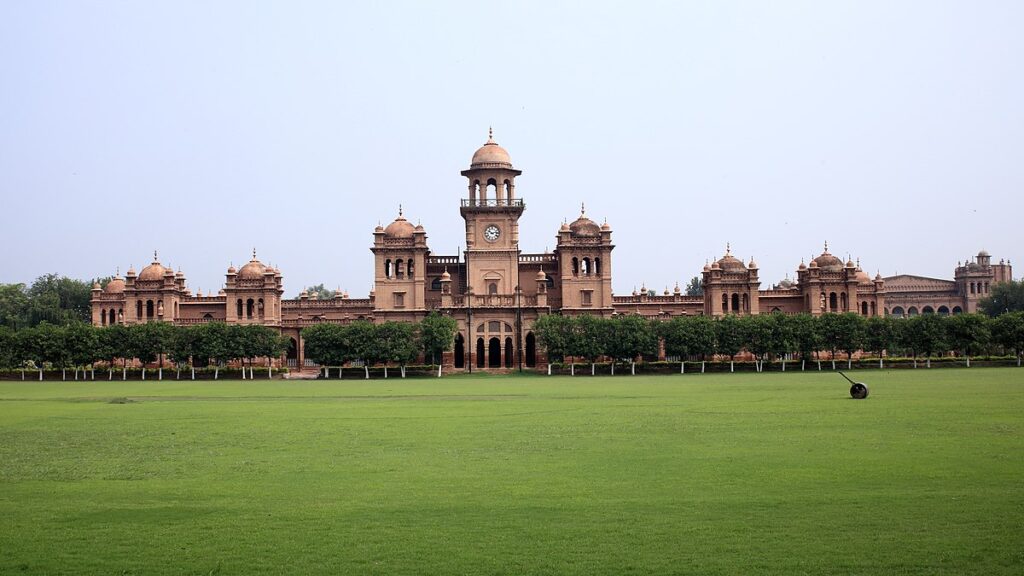
7. Islamia College Peshawar
Established in 1913, Islamia College Peshawar offers both LL. B and Shariah and Law degree programs. The college is known for its rich history and academic excellence. It emphasizes quality education, mutual respect, and academic integrity, with numerous co-curricular and sports activities available for students.
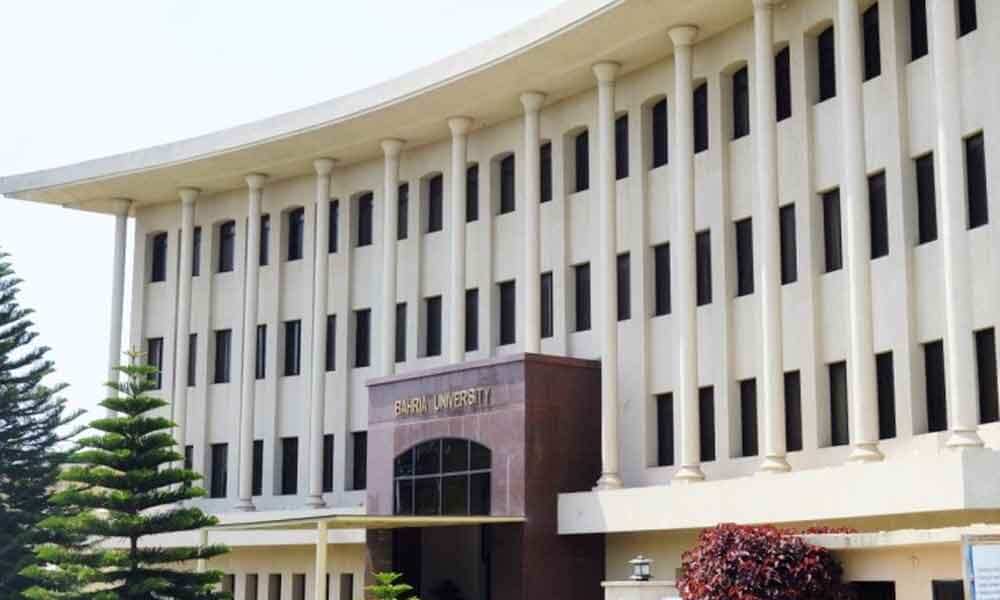
Bahria University, a federally chartered public sector university, offers a variety of law degrees:
LL. B (5 Years)
Masters in Law (LL.M) (2 Years)
LL.M (International and Maritime Laws) (2 Years)
Ph.D. in Law
Bahria University aims to ensure academic excellence and social responsibility. It offers various clubs and advanced sports facilities to encourage student engagement and physical fitness.
Selecting the right university for your law education is a crucial step towards a successful career in the legal field. The universities mentioned above are among the best law universities in Pakistan, offering high-quality education and extensive extracurricular opportunities. Take your time to research and choose the institution that best fits your academic and career goals.
FAQs
How many law colleges are there in Pakistan? There are over 150 institutions offering legal education in Pakistan, regulated by the Higher Education Commission (HEC) and the Pakistan Bar Council (PBC).
What is the scope of law in Pakistan? The legal system in Pakistan offers a broad range of opportunities, including family law, corporate law, criminal law, and civil law. Lawyers have the chance to advocate for justice and make a positive impact on society.
What is the difference between a barrister and a lawyer? A lawyer is a general term for anyone qualified to practice law, while a barrister is a lawyer who has passed the bar exams and is qualified to represent clients in court.
What is the duration of an LLB degree? An LLB degree typically takes five years to complete after intermediate schooling.
Is studying law a wise option in Pakistan? Studying law in Pakistan can be a valuable investment, providing a strong foundation for various career paths. However, the job market is competitive, and the cost of obtaining a law degree can be significant.
Choosing the right law university is a critical decision that requires careful consideration. The institutions listed above are some of the best options available in Pakistan, each offering unique strengths and opportunities for aspiring legal professionals.
Planning a trip to the United States From Pakistan? obtain a USA visit Visa from Pakistan and explore the land of opportunity also known as B-2 visa, this nonimmigrant visa allow Pakistani citizen to visit the US for :
Tourism
Visiting family and friends
Medical treatment
Business meetings
Conferences
Short-term studies
For applying the visit visa of USA from Pakistan following steps are helpful:
1. Determine the Type of Visa:
Choose the appropriate visa type based on the purpose of your visit: Standard Visitor Visa, Family Visitor Visa, Business Visitor Visa, etc.
2. Online Application:
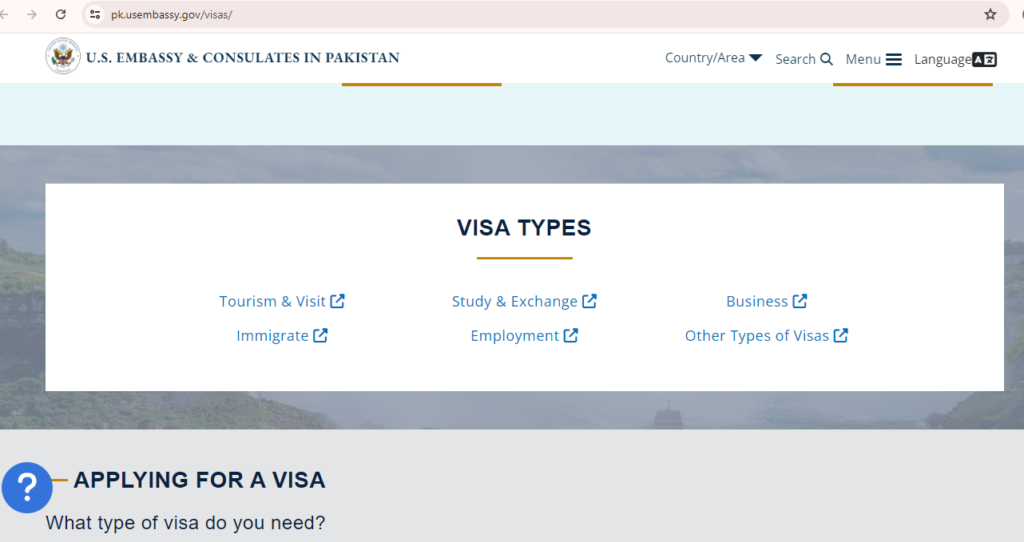
To Apply for a USA Visit Visa from Pakistan Kindly visit the Official USA Immigration Website and apply ccordingly.
3. Documents:
Prepare necessary documents, including a valid passport, passport-size photographs, bank statements, invitation letter (if applicable), and your trip plans. These things are necessarily important for a USA Visit Visa from Pakistan.
4. Biometrics Appointment:
Book a biometrics appointment at a visa application center, where fingerprints and photographs will be taken for a USA Visit Visa from Pakistan.
5. Pay Fees:
Pay the visa application fee online during the application process, with fees varying depending on the visa type which is $185.
6. Attend an Interview:
For some applicants, the visa application center may require them to attend an interview, particularly for specific visa types or when additional information is necessary for obtaining a USA Visit Visa from Pakistan.
7. Processing Time:
After submission and biometrics, patiently wait for your visa to be processed. Waiting time is based on visa type, time of year, and other factors.
8. Decision:
After receiving the notification of the USA Visit Visa from Pakistan that it is approved. Your passport will be stamped with the visa, allowing you to travel to the USA for the specified purpose and duration.
Ensure that accurate and complete information is given in your application form to meet all requirements for the specific visa type.
USA Visit Visa Requirements For Pakistan
A Standard Visitor Visa to the USA comes with typical requirements which are stated below:
1- Valid Passport:
Ensure your passport remains valid throughout your planned stay in the United States.
2- Visa Application Form:
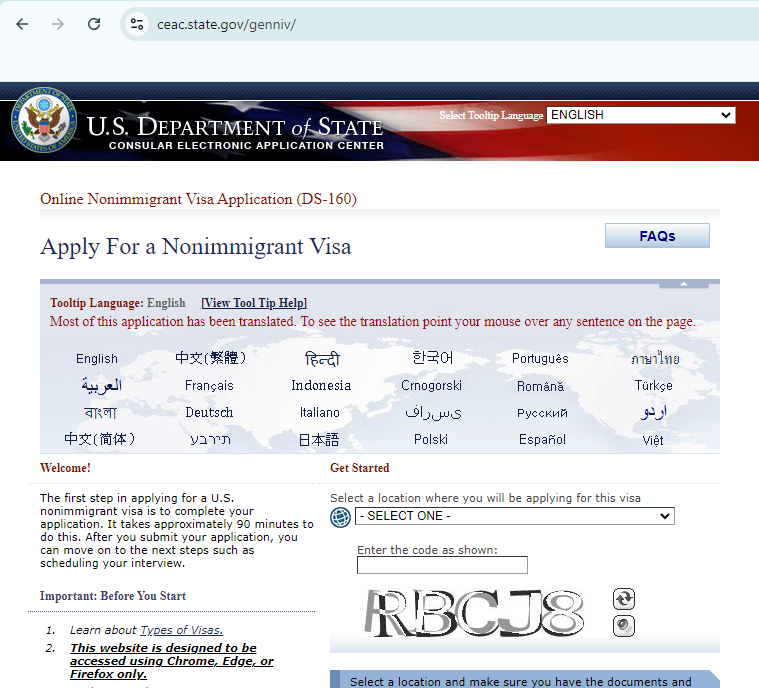
Accurately complete the online application form on DS-160.
3- Passport Sized Pictures:
Provide recent passport-size photographs meeting the USA government’s specifications for a USA Visit Visa from Pakistan.
4- Travel Plans:
Detail your travel plans, including intended travel dates, accommodation, and planned activities.
5- Proof of Funds:
Demonstrate sufficient funds to cover travel expenses through bank statements, pay slips, or financial documents. On average $6000 to $10000 amount should be in the applicant’s account.
6- Purpose of Visit:
Illustrate the purpose of the Visit from Pakistan to the USA, providing details for leisure, tourism, or business activities that are planned.
8- Medical Insurance:
Obtain medical insurance covering your stay in the USA. To get medical insurance from Pakistan
To Apply for Visa online visit the site below
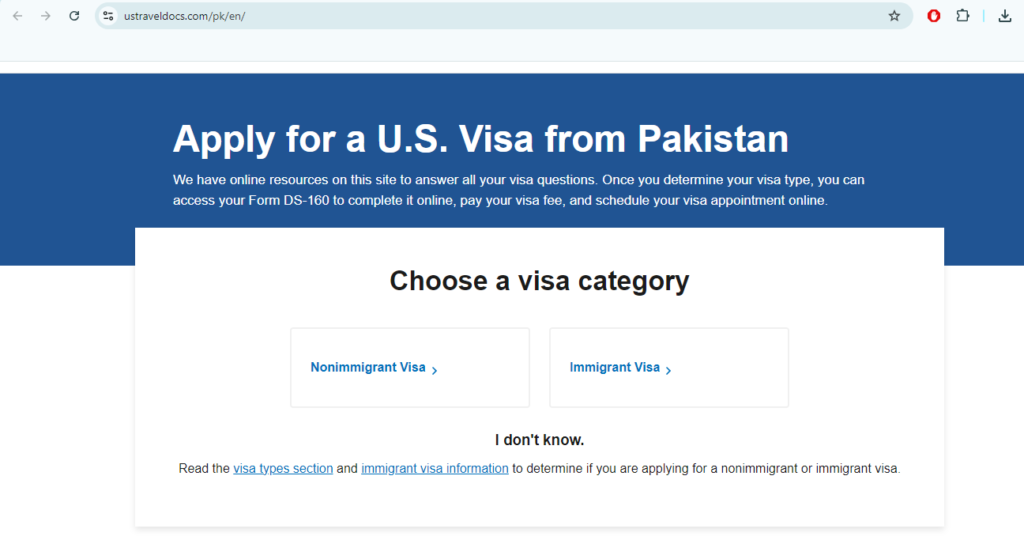
please chose Nonimmigrant visa category for visit visa
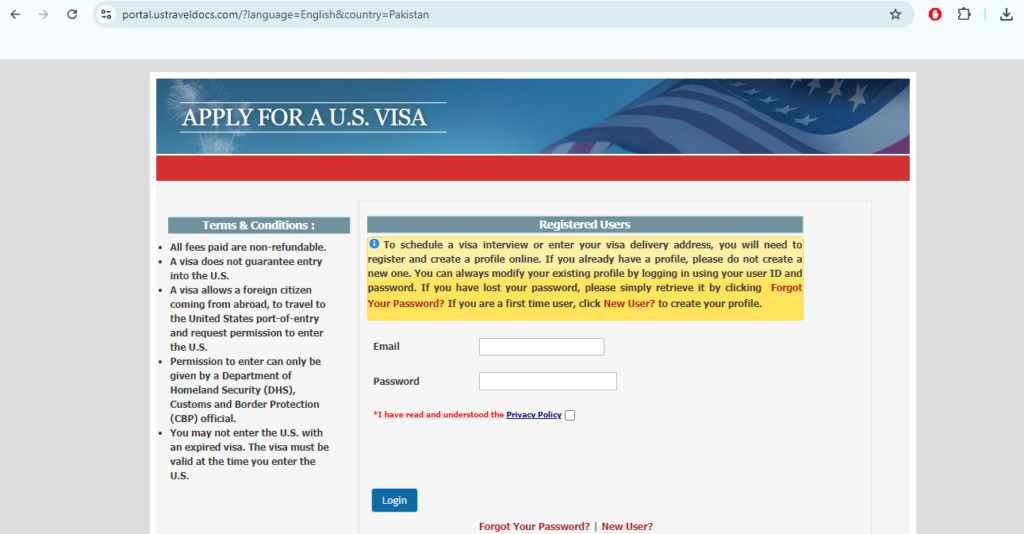
Click on Visa Login Tab in the website and register by providing the correct information
Fill in below D-160 form for online visit Visa
To get more information about USA VISIT VISA please visit link below
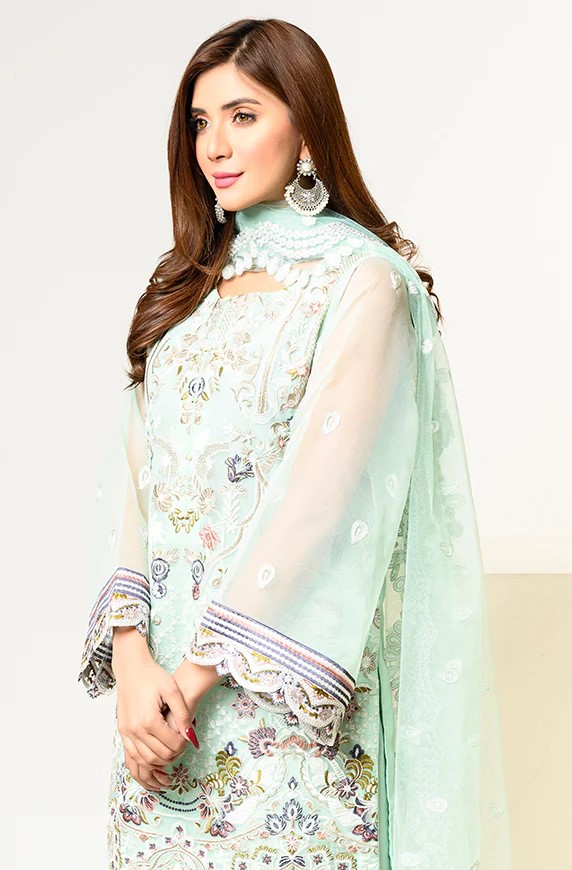
Zellbury is one of the most affordable clothing brands in Pakistan. Zellbury has many comfortable, unstitched, ready-to-wear dresses with flashy designs. Beautiful designs are available at the starting price of 1690. You can also check and buy their clothing range online.
This women clothing brand knows how to make its customers love its new collections. They served when the textile industry had not even flourished to its full potential. They are also famous for their lawn collections. You can also check and buy their clothing range online.
They are known for their fabric quality. Sana Safinaz is well-known in the Pakistani fashion industry. They provided 100% pure fabric at really affordable prices. The designs of their lawn and Ready To Wear dresses are remarkable. In Pakistan you can easily finf Sana Safinas Store in almost every City with more than 70 outlets across country. This brand is an epic duo of two ladies, Sana and Safinaz. You can also check and buy their clothing range online.
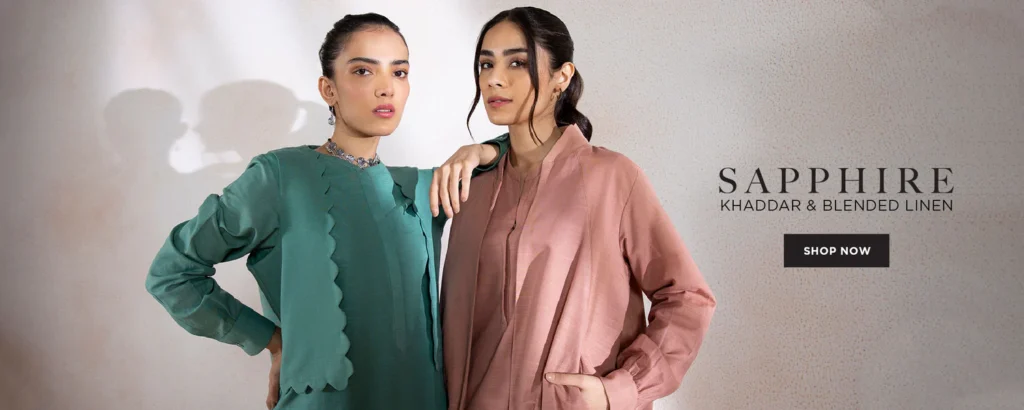
Sapphire has produced formal as well as casual dresses since 2014. In 2022 Sapphire is ruling Fashion Industry. They have many collections for Men, Women, Children and the young generation. They also have an extensive collection of fragrances. Sapphire is women clothing brand, famous for its Lawn collection. People like their striking designs. They also deal in Embroidid clothes. You can also check and buy their clothing range online.
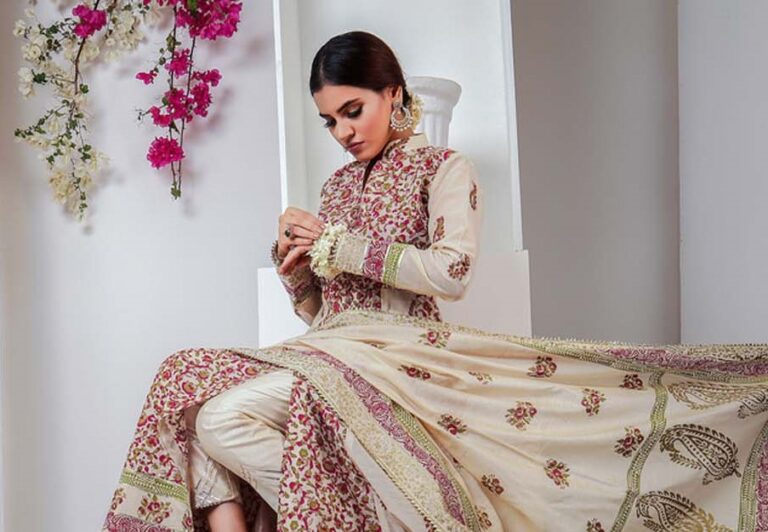
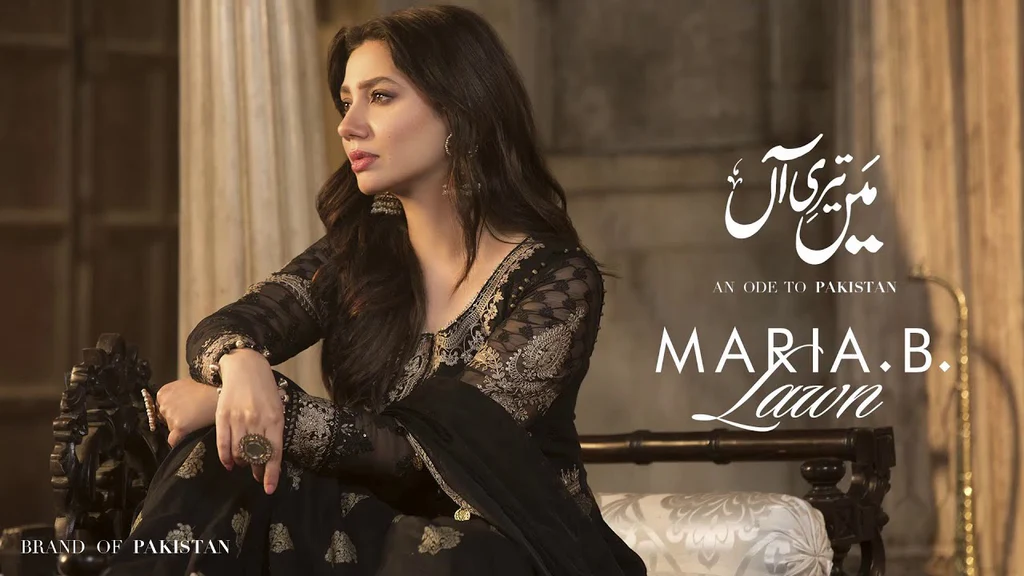
Maria Butt is the owner of this women clothing brand who is well-known figure among fashion mongers in Pakistan. Maria B has an extensive collection of bridal, ready-to-wear and unstitched clothes. It is based in Lahore, and its physical stores are available in all major cities of Pakistan. You can also check and buy their clothing range online.
Succession Certificate Through NADRA: A Step-by-Step Guide
NOTE: To Apply for Succession Certificate through Nadra Scroll to End:
In times of loss, dealing with legal formalities can be overwhelming. One such crucial task is obtaining a Succession Certificate. This document, issued by NADRA (National Database and Registration Authority), is essential for managing the inheritance of a deceased person’s estate. But what exactly is a Succession Certificate, and how can you obtain one through NADRA? This guide will walk you through the process in a simple, step-by-step manner.
Introduction
Losing a loved one is never easy, and the aftermath often involves dealing with various legal procedures. Among these, obtaining a Succession Certificate through NADRA stands out as a critical step for managing the deceased’s assets. This guide will simplify the process for you, ensuring you know exactly what to do.
What is a Succession Certificate?
A Succession Certificate is a legal document issued by a court to the legal heirs of a deceased person, certifying the legitimacy and authenticity of their claims to the deceased’s assets and debts. It is typically required for the transfer of movable assets like bank accounts, securities, debts, and other investments to the heirs.
Key Features of a Succession Certificate:
Authority: A succession certificate grants the holder the authority to collect the debts and securities of the deceased.
Legal Heir Recognition: It recognizes the holder as the legitimate heir to the deceased’s movable assets.
Transfer of Assets: Banks, financial institutions, and other entities often require a succession certificate to transfer assets to the heirs.
Debts and Securities: It is specifically used for the settlement of debts and securities of the deceased. For immovable property, other legal documents like a will or a legal heir certificate might be required.
Process of Obtaining a Succession Certificate:
Application: The legal heir must file a petition in the appropriate court, usually where the deceased resided or where the assets are located.
Details in Petition: The petition should include:
The name and relationship of the petitioner to the deceased.
The time, date, and place of death.
The details of family or other relatives.
The right of the petitioner.
The list of debts and securities for which the certificate is sought.
Court Notice: Upon filing the petition, the court issues a notice to all concerned parties and publishes it in a newspaper to invite objections, if any.
Objections and Hearing: If no objections are raised within the stipulated time, the court proceeds. If objections are raised, a hearing is conducted to resolve the disputes.
Grant of Certificate: After verifying the claim and the absence of any valid objections, the court issues the succession certificate to the petitioner.
Importance of a Succession Certificate:
Legal Assurance: It provides legal assurance to financial institutions and debtors about the rightful claimant of the deceased’s assets.
Smooth Transfer: It facilitates a smooth and hassle-free transfer of assets to the legal heirs.
Debt Settlement: Helps in the settlement of debts and liabilities of the deceased.
Why Do You Need a Succession Certificate?
When a loved one passes away, managing their estate can be a complex process. One essential document that often comes into play is the succession certificate. This certificate is a crucial legal instrument that helps in the administration of the deceased’s assets and debts. Understanding why you need a succession certificate and how it benefits you can simplify the estate management process during a difficult time.
Who Can Apply for a Succession Certificate?
A succession certificate is a legal document issued by a court that authorizes the holder to manage the debts and securities of a deceased person. The process for obtaining a succession certificate varies by jurisdiction, but generally, the following individuals can apply for it:
Legal Heirs: Immediate family members of the deceased, such as spouse, children, parents, and siblings.
Nominees: Persons nominated by the deceased in their financial documents, such as bank accounts or investment accounts.
Executors or Administrators: Individuals named in the will to administer the estate, if there is a valid will.
Legal Representatives: Any person who represents the estate of the deceased, including legal guardians for minor heirs.
Creditors: In some jurisdictions, creditors of the deceased may apply for a succession certificate to recover the debts owed to them.
The application process typically involves submitting a petition to the relevant court, providing details of the deceased, the petitioner, and the assets to be covered by the certificate. The court may require notices to be published to allow objections from other interested parties before issuing the certificate.
Documents Required for a Succession Certificate
To apply for a Succession Certificate, you’ll need the following documents:
Death certificate of the deceased
CNIC (Computerized National Identity Card) of the deceased
CNIC of the applicant
List of legal heirs
Proof of relationship with the deceased
Details of the deceased’s assets
Having these documents ready will streamline the application process and prevent unnecessary delays.
Step-by-Step Guide to Obtaining a Succession Certificate
Now, let’s dive into the detailed steps to obtain a Succession Certificate through NADRA.
Filing the Application
Visit the NADRA Office: Head to your nearest NADRA office or visit their online portal.
Fill Out the Application Form: Provide all required information accurately.
Submit the Documents: Attach the necessary documents mentioned above.
Pay the Fee: There is a processing fee that needs to be paid at the time of application submission.
Verification Process
Once your application is submitted, NADRA will initiate a verification process. This includes:
Verification of Documents: NADRA will check the authenticity of the documents provided.
Public Notice: A public notice will be issued to invite any objections to the issuance of the certificate.
Hearing: In some cases, a hearing might be conducted to resolve any disputes or objections.
Issuance of the Certificate
After successful verification, NADRA will issue the Succession Certificate. This certificate will include:
Details of the deceased
List of legal heirs
Description of the assets
The certificate will be delivered to the applicant, who can then use it to claim the inheritance.
Fees and Charges
The cost of obtaining a Succession Certificate through NADRA includes:
Application Fee: This varies depending on the value of the estate.
Verification Fee: Additional charges for document verification.
Miscellaneous Charges: Any other expenses that might occur during the process.
It’s advisable to check the latest fee structure on NADRA’s official website or inquire at the office.
Obtaining a Succession Certificate through NADRA might seem daunting, but with the right information and preparation, it becomes manageable. This guide aims to simplify the process, ensuring you can focus on what truly matters during a difficult time. Remember, each step brings you closer to securing your rightful inheritance.
FAQs
1. What is the validity of a Succession Certificate?
A Succession Certificate remains valid indefinitely unless revoked by a competent court.
2. Can I apply for a Succession Certificate online?
Yes, NADRA offers an online application process for obtaining a Succession Certificate.
3. What happens if there are objections during the verification process?
If objections are raised, NADRA may conduct a hearing to resolve disputes before issuing the certificate.
4. How long does it take to get a Succession Certificate?
The processing time can vary but typically takes a few weeks, depending on the complexity of the case.
5. Is a Succession Certificate required for immovable property?
No, a Succession Certificate is only required for movable property. For immovable property, other legal documents may be necessary.
By following this guide, you’ll be well-equipped to handle the process of obtaining a Succession Certificate through NADRA, ensuring a smoother transition during challenging times.