Planning a trip to the United States From Pakistan? obtain a USA visit Visa from Pakistan and explore the land of opportunity also known as B-2 visa, this nonimmigrant visa allow Pakistani citizen to visit the US for :
Tourism
Visiting family and friends
Medical treatment
Business meetings
Conferences
Short-term studies
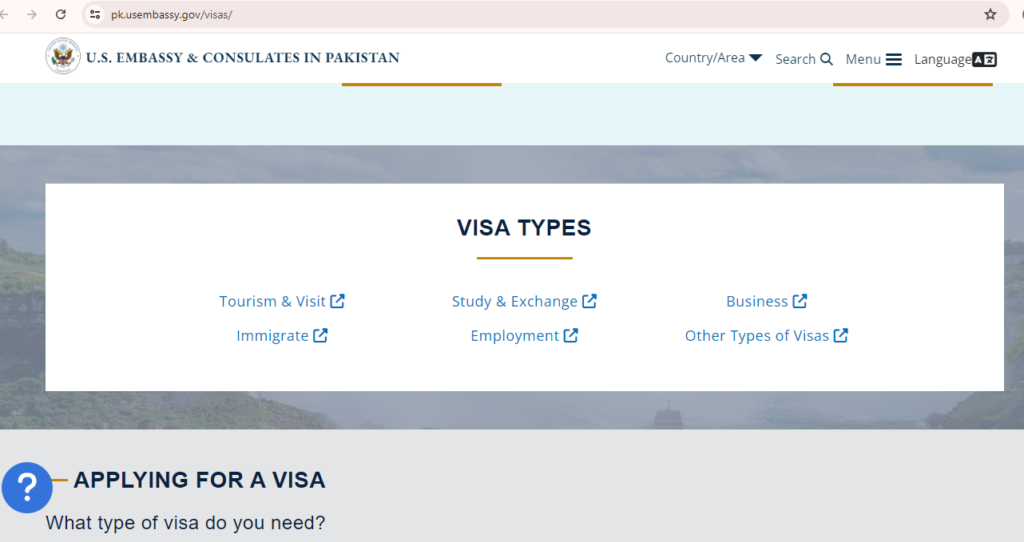
For applying the visit visa of USA from Pakistan following steps are helpful:
1. Determine the Type of Visa:
Choose the appropriate visa type based on the purpose of your visit: Standard Visitor Visa, Family Visitor Visa, Business Visitor Visa, etc.
2. Online Application:
To Apply for a USA Visit Visa from Pakistan Kindly visit the Official USA Immigration Website and apply ccordingly.
3. Documents:
Prepare necessary documents, including a valid passport, passport-size photographs, bank statements, invitation letter (if applicable), and your trip plans. These things are necessarily important for a USA Visit Visa from Pakistan.
4. Biometrics Appointment:
Book a biometrics appointment at a visa application center, where fingerprints and photographs will be taken for a USA Visit Visa from Pakistan.
5. Pay Fees:
Pay the visa application fee online during the application process, with fees varying depending on the visa type which is $185.
6. Attend an Interview:
For some applicants, the visa application center may require them to attend an interview, particularly for specific visa types or when additional information is necessary for obtaining a USA Visit Visa from Pakistan.
7. Processing Time:
After submission and biometrics, patiently wait for your visa to be processed. Waiting time is based on visa type, time of year, and other factors.
8. Decision:
After receiving the notification of the USA Visit Visa from Pakistan that it is approved. Your passport will be stamped with the visa, allowing you to travel to the USA for the specified purpose and duration.
Ensure that accurate and complete information is given in your application form to meet all requirements for the specific visa type.
USA Visit Visa Requirements For Pakistan
A Standard Visitor Visa to the USA comes with typical requirements which are stated below:
1- Valid Passport:
Ensure your passport remains valid throughout your planned stay in the United States.
2- Visa Application Form:
Accurately complete the online application form on DS-160.
3- Passport Sized Pictures:
Provide recent passport-size photographs meeting the USA government’s specifications for a USA Visit Visa from Pakistan.
4- Travel Plans:
Detail your travel plans, including intended travel dates, accommodation, and planned activities.
5- Proof of Funds:
Demonstrate sufficient funds to cover travel expenses through bank statements, pay slips, or financial documents. On average $6000 to $10000 amount should be in the applicant’s account.
6- Purpose of Visit:
Illustrate the purpose of the Visit from Pakistan to the USA, providing details for leisure, tourism, or business activities that are planned.
8- Medical Insurance:
Obtain medical insurance covering your stay in the USA. To get medical insurance from Pakistan
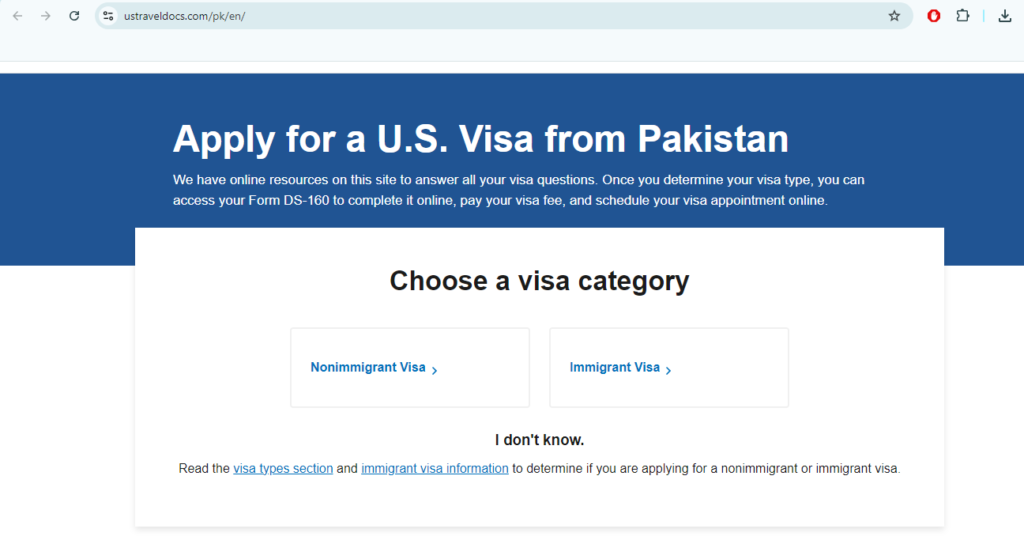
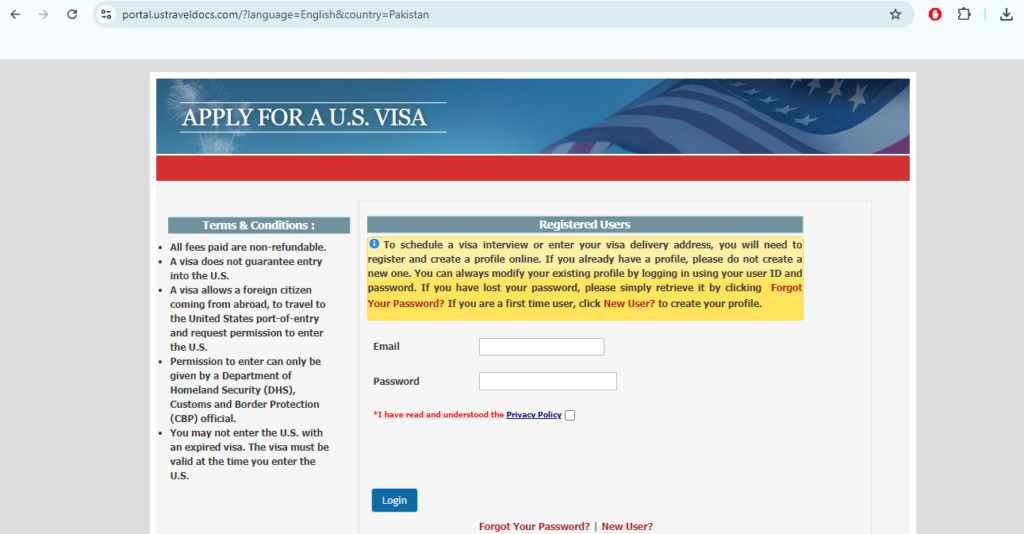
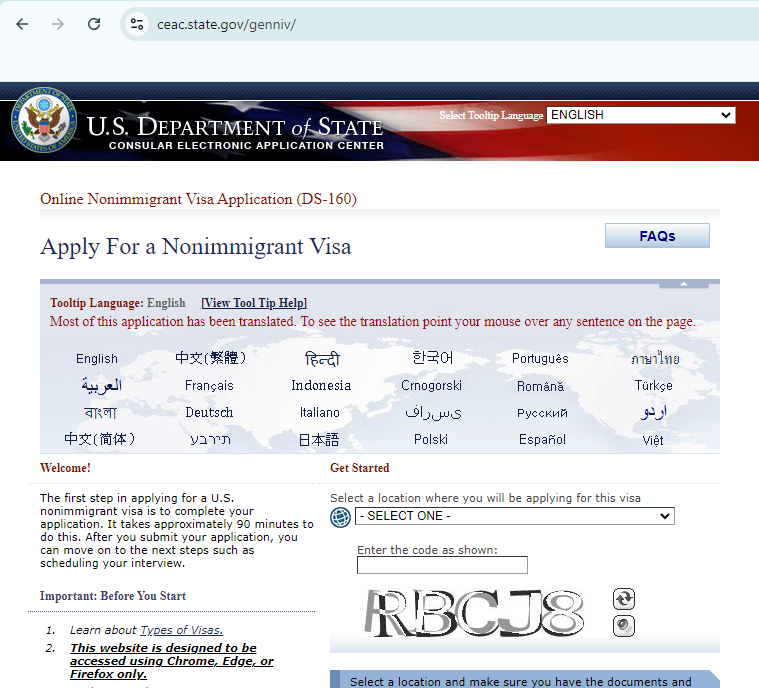
To Apply for Visa online visit the site below
please chose Nonimmigrant visa category for visit visa
Click on Visa Login Tab in the website and register by providing the correct information
Fill in below D-160 form for online visit Visa
To get more information about USA VISIT VISA please visit link below
Zellbury is one of the most affordable clothing brands in Pakistan. Zellbury has many comfortable, unstitched, ready-to-wear dresses with flashy designs. Beautiful designs are available at the starting price of 1690. You can also check and buy their clothing range online.
This women clothing brand knows how to make its customers love its new collections. They served when the textile industry had not even flourished to its full potential. They are also famous for their lawn collections. You can also check and buy their clothing range online.
They are known for their fabric quality. Sana Safinaz is well-known in the Pakistani fashion industry. They provided 100% pure fabric at really affordable prices. The designs of their lawn and Ready To Wear dresses are remarkable. In Pakistan you can easily finf Sana Safinas Store in almost every City with more than 70 outlets across country. This brand is an epic duo of two ladies, Sana and Safinaz. You can also check and buy their clothing range online.
Sapphire has produced formal as well as casual dresses since 2014. In 2022 Sapphire is ruling Fashion Industry. They have many collections for Men, Women, Children and the young generation. They also have an extensive collection of fragrances. Sapphire is women clothing brand, famous for its Lawn collection. People like their striking designs. They also deal in Embroidid clothes. You can also check and buy their clothing range online.
Maria Butt is the owner of this women clothing brand who is well-known figure among fashion mongers in Pakistan. Maria B has an extensive collection of bridal, ready-to-wear and unstitched clothes. It is based in Lahore, and its physical stores are available in all major cities of Pakistan. You can also check and buy their clothing range online.
For decades, getting a succession certificate in Pakistan meant years stuck in civil court. That changed with NADRA’s Succession Facilitation Units (SFUs) — and as of the Letters of Administration and Succession Certificates (Amendment) Act 2025, NADRA now has equal legal authority alongside the courts to issue these certificates. Here’s exactly how the process works in 2026.
What Is a Succession Certificate?
A succession certificate is a legal document that establishes legal heirs’ right to a deceased person’s movable assets — bank accounts, shares, prize bonds, national savings certificates, and vehicles. A related but separate document, the Letter of Administration, covers immovable property — houses, plots, and land. You can apply for both in a single NADRA application if needed.
Federal and Provincial Governments have mandated NADRA, under Section 3 of the respective Succession Laws, to issue these certificates directly to legal heirs — without requiring a court petition, for straightforward, uncontested cases.
Where to Apply
As of 2025, NADRA has expanded to 186 Succession Facilitation Units across Islamabad, Punjab, Sindh, Khyber Pakhtunkhwa, Balochistan, and Gilgit-Baltistan. You can apply at any unit regardless of where the inherited property or assets are actually located — a major improvement over the earlier rule that required filing in the specific province where the property sat.
Eligibility Requirements
Both the deceased and all legal heirs must be Pakistani citizens
The property or assets must be located within Pakistan
One legal heir must appear in person to initiate the application (in Sindh and Balochistan, this can be done through legal counsel)
The 5-Step NADRA Process
Application submission — One legal heir submits a formal application at any NADRA Succession Facilitation Unit, National Registration Centre, or District Accounts Unit, along with full asset details.
Public notice — NADRA publishes a notice in a widely circulated national newspaper and on its website, inviting objections from anyone with a competing claim.

14-day objection window — The application proceeds only if no objections are received within 14 days.
Biometric verification — All legal heirs must complete fingerprint verification. Heirs based abroad can do this remotely via the Pak-ID mobile app, or in person at a Pakistani mission in cities including London, Manchester, Birmingham, Bradford, Jeddah, Riyadh, Medina, Dubai, Abu Dhabi, and Doha.
Issuance — Once verification clears, NADRA prints a digital certificate carrying a QR code, which banks, land revenue offices, and other institutions can scan to instantly verify authenticity.
Documents Required
Original NADRA computerized death certificate, plus the deceased’s cancelled CNIC
CNIC copies of all legal heirs (SNIC or NICOP also accepted)
A fresh Family Registration Certificate (FRC) showing the deceased’s complete family lineage
For movable assets: bank statements, prize bond details, or vehicle registration documents
For immovable property: registry papers, mutation documents (Fard), or property tax records
A Letter of Authorization/Affidavit, attested by an Oath Commissioner
NADRA Succession Certificate Fees (2026)
Estate Value
Fee
Under Rs. 100,000
Rs. 10,000
Rs. 100,000 or more
Rs. 20,000 (plus Rs. 2,000 where applicable)
Important: following a Sindh High Court ruling, NADRA cannot charge its full processing fee if an application is ultimately rejected — in that case, only a nominal fee applies (up to Rs. 2,000 for estates up to Rs. 1 million, or Rs. 1,000 for estates under Rs. 100,000).
Verifying an already-issued certificate online costs a separate Rs. 50 fee via NADRA’s verification portal.
How Long Does It Take?
The NADRA route typically takes 15 to 30 working days from application to issuance — dramatically faster than the civil court route, which can take years for contested or complex cases.
Full judicial authority, including contested cases
If there’s any dispute among heirs, a minor heir involved, or missing family members, a court petition (with witness evidence) is still generally the appropriate route — NADRA’s SFU process is designed for straightforward, uncontested cases.
Frequently Asked Questions
Does NADRA actually have legal authority to issue succession certificates, or is this just an administrative shortcut? It’s fully legal authority. Federal and Provincial Succession Laws specifically mandate NADRA to issue these certificates, and the Letters of Administration and Succession Certificates (Amendment) Act 2025 confirmed NADRA holds equal authority alongside civil courts for this purpose.
Can overseas Pakistanis complete this process without traveling to Pakistan? Yes. Biometric verification can be completed via the Pak-ID mobile app or at a Pakistani mission in major cities abroad — you don’t need to fly back for a straightforward, uncontested case.
What’s the difference between a Succession Certificate and a Letter of Administration? A Succession Certificate covers movable assets (bank accounts, shares, vehicles). A Letter of Administration covers immovable property (houses, land). You can apply for both together in one NADRA application.
What happens if someone objects during the 14-day notice period? If a valid objection is raised, NADRA cannot proceed with issuance, and the matter typically needs to go through civil court instead.
Final Thoughts
NADRA’s succession certificate process has genuinely transformed what used to be a multi-year court ordeal into a process that can be completed in weeks — for the majority of uncontested cases. Gather your documents (especially the FRC and death certificate) before you start, since incomplete paperwork is the most common cause of delay, and confirm current fees and requirements directly with NADRA before applying, since this process has changed significantly even in the past two years.
This guide reflects NADRA’s succession certificate process as of 2026, including the Letters of Administration and Succession Certificates (Amendment) Act 2025. Requirements and fees can change — always verify current details directly with NADRA before applying.
Pakistan visit visa for afghan citizen can be obtain online easily, its called Pakistan electronic Visa. As there are no foreign embassies in Afghanistan, so in order to get visas for other countries afghan citizens are obtaining Pakistan’s visit visa in great numbers recently.
The visa is used by tourists and business persons to enter the country for a short time. E Visas may be for tourism, but Afghans who wish to come for short business visits may do so, but they cannot apply for a business visa online as this window is not open to them. Other visas, like work visas, diplomatic visa, or study visas, can only be obtained at the Pakistani embassy in Kabul.
The e-visa of Pakistan is a valid visa on which you can stay in the country for maximum up to 30 days. However, it can only be used once as it is a single-entry visa and is valid for 90 days.
How To Apply For An E Visa To Pakistan
To get E-visa for visit to Pakistan you don’t have to physically visit Pakistan embassy. This type of visa can Easily be obtained through online channels.
Pay the visa application fee using a credit or debit card
Submit the form for processing
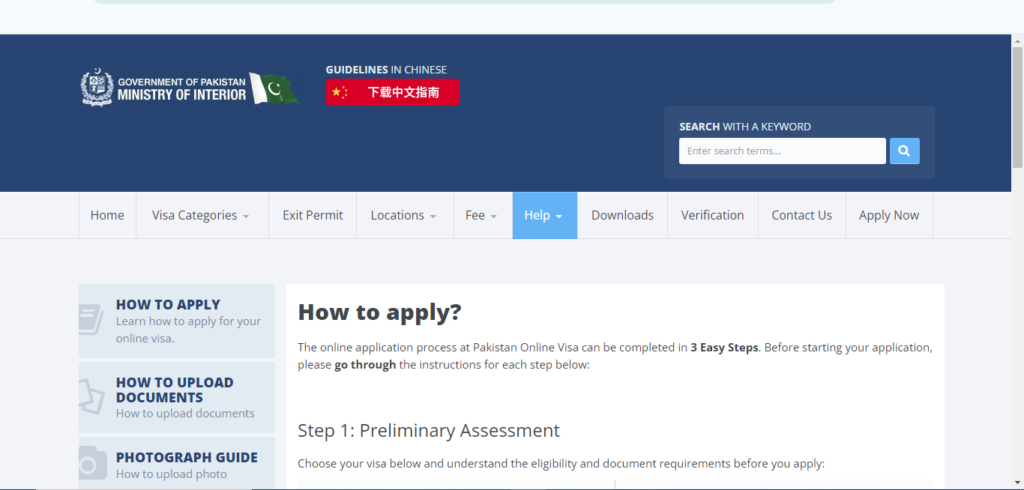
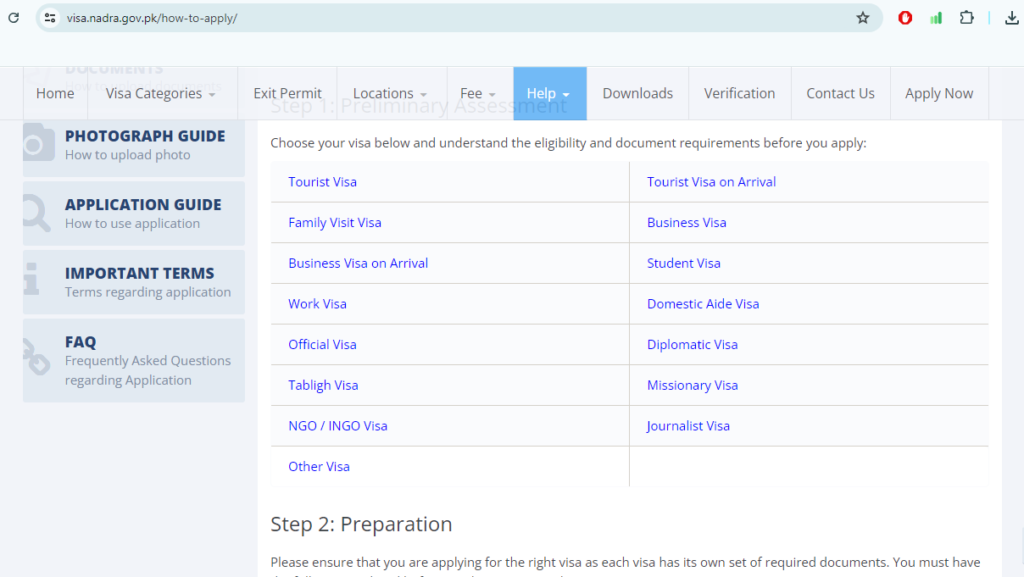
To check your eligibility and visa you required for particular visit purpose click on image below
Note: When filling out the application form ensure that you crosscheck for errors before submitting. Once the form is submitted it mistakes cannot be corrected and your application will most likely be rejected.
Documents Required To Avail A Pakistan Online Visa
Here are the documents Afghans need to apply for the visa.
Passport: A valid Afghanistan passport with a minimum of 6 months validity and two blank pages for visa stamps.
Photograph: A photograph of yourself printed in color and white. The photograph must show your face clearly.
Proof of Residence: A hotel reservation or a contact address for the residence where you will stay during your visit to Pakistan.
Travel Itinerary: Your travel Itinerary showing your arrival and departure dates, including the places you intend to visit during your time in the country
Bank statement: You need a bank account to prove your financial capacity to cover the expenses for your trip. The bank statement must show entries for three months and have a minimum required balance.
Invitation Letter: If you are invited by a citizen or resident, you must provide the invitation letter they sent to you. The letter must be signed with the host’s ID included.
Previous visa: If you have been issued a visa in the past, attach photocopies to the application form for review.
Proof of Accommodation: Contact address where you will stay or provide a copy of a Hotel reservation.
Return Ticket: A return ticket to Afghanistan at the end of the trip. The ticket will serve as proof that you have every plan to return to your country.
Cover Letter: A cover letter explaining the purpose of the trip and your planned activities.
Medical Report: A medical report is required if you have any health challenges.
Minors below the age of 18 cannot apply for an e-visa on their own but only with the help of their parents or guardians. They must also provide their birth certificate to prove their age and relationship before they can be issued an e-visa.
Afghanistan citizens who enter Pakistan with an e-visa are not allowed to work while in the country. Working will be a violation that will attract sanctions from the Pakistani authorities. If you are interested in working in the country, visit the nearest embassy or consulate in Kabul to apply for a work visa.
Furthermore, overstaying is a crime that will attract sanctions. An online visa is a short stay visa only valid for 30 days. This means that you must vacate the country on or before the 30th day. Also, you can only use the visa once, as it is a single-entry visa. To avoid application rejections, ensure you only use valid documents when applying for the Pakistan Online Visa for Afghanistan.
Azerbaijan is a nation that is landlocked. In the southwestern their are crossroads of Eastern Europe and Western Asia. It’s bounded by the Caspian Sea, Russia, Georgia, Armenia, and Iran.
Natural gases seeping through the ground underneath continuously feed the flames, therefore the fire never fades. Whilst no one knows without a doubt where Azerbaijan gets its name from, it is only fitting that Yanar Dağ sits in a national country also referred to as “The Land of Fire“.
Azerbaijan supplies a stunning blend of rich history that is cultural pure beauty, and historic places which makes it a unique destination for tourists.
The capital city, Baku, is just a metropolis that is vibrant contemporary architecture combinations with historic landmarks. Visitors can also explore the UNESCO-listed Old City (Icherisheher), look at the Flame that is iconic Towers and walk across the Caspian Sea Boulevard.
Visa Category and Azerbaijan Visit Visa Fee.
Azerbaijan provides two categories– Standard and Urgent – for issuance of a visit visas for the tourists. At the time of 10, 2024, the cost for single- entry 30 days e-visit visa fee for Azerbaijan appears at $20 July [Rs5,573]
The electronic Azerbaijan visit visa fee for Pakistan nationals in urgent category stands at $50 [Rs13,933].
Almost all the nation’s population (97%) are Muslim, nevertheless the constitution does not declare religion that is formal. All major political forces in the nation are secular. Azerbaijan is really a nation that is developing. It ranks 91st in the Human developing Index. The ruling New Azerbaijan Party, in power since 1993, happens to be accused of authoritarianism under president Heydar Aliyev and their son Ilham Aliyev, and deteriorating the country’s peoples legal rights .
Recently the cost of Electricity, Gas and other Utility Bills have increased many folds in Pakistan. People are already worried with the increased inflation in the country. So in this period of inflation what if i tell you that you can pay your Bills on installment. Yes that’s right if you have credit card of any Bank you can pay your electricity, Gas or any other Utility bill online using Debit or Credit card. Installment option can also be used.
Pay Electricity, Gas and other Utility bills On Installment.
Choose your credit card like Alfalah Bank Credit Card, HBL Credit Card or any other bank Credit Card to pay Bill online. After Paying the bill banks gives option to its credit card customer to convert their spending through card into installment plan. Different banks have different policy and charges for installment plans. Call your bank or visit their website to confirm details about their installment plan.
Platforms offering online payment of Electricity, Gas and other utility bill through debit or especially credit card.
The Best Platform to pay electricity and gas bills through credit card in Pakistan is Daraz dBills. Here’s How.
Open Daraz App.
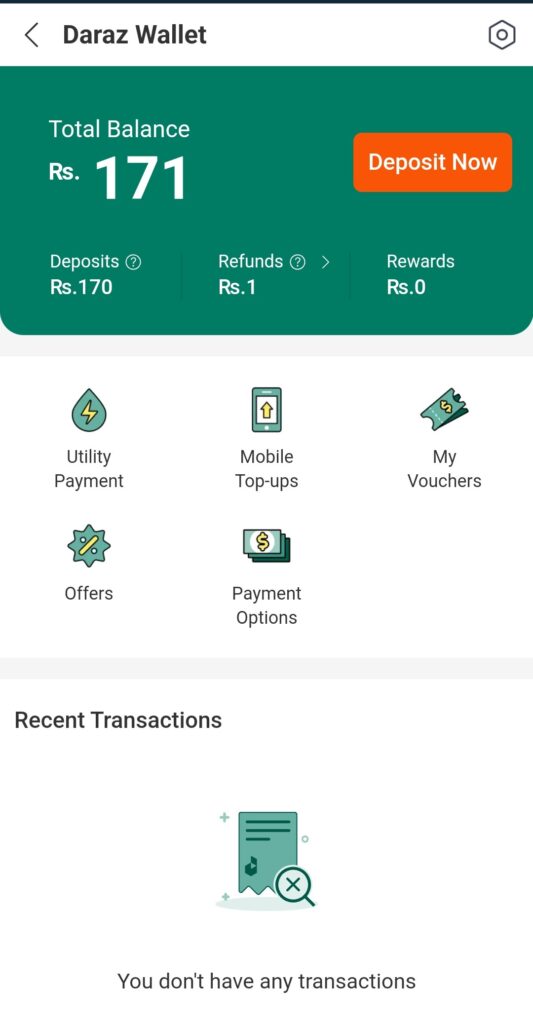
In the Account Section Select Daraz wallet and than Choose Utility Payment Option from The Wallet section of Daraz application.
Choose the Type of Utility Bill from the menu at bottom of application
Choose the electricity, Gas or other company for which you want to pay bill through credit card.
fill ion your cards detail after selecting pay via debit or credit card option. Enter the OTP in payment window and your bill will be paid through credit card.
Installments for Electricity, Gas and other Utility bills Pakistan
For installment option call your Bank. Ask bank representative to convert your bill into installment. The installment Plan and fee can be varied according to your Bank’s policy. Typically Banks in Pakistan offer installments up to 36 months via credit card.
Download Daraz app or visit their website to pay electricity or gas bill through credit card.
This option is for the people who wanted to pay their bills through Credit card. You can also pay your utility bills online via other cash wallet application in Pakistan.
Other options for Installment of Electricity and gas Bill Payment In Pakistan are.
Easy paisa offers its customer to Buy now and pay later option for utility bill payment.
To get power of attorney prepared and than registered from any foreign country to use in Pakistan follow below steps:
Steps to Prepare:
Write power of attorney sample format is given below as downloadable word file.
You can use plain white page for general power of attorney no need of stamp paper.
You need two Pakistani nationals as witnesses.
Make appointment at Pakistan embassy.
Take printed power of attorney and two witnesses with you and get it registered.
Sent this to Pakistan via courier.
In some cases this attorney needs to be attested from foreign office before use.
These type of Special power of attorney can be used to file court cases, give evidence, collect money, or to deal with government departments. Ot can also be used to enter into agreement on your behalf.
A succession certificate is one of the most important legal documents you’ll ever need when a family member passes away in Pakistan. Without it, banks will not release funds, stocks cannot be transferred, and the deceased’s financial assets remain locked — sometimes for years.
This guide covers everything you need to know about obtaining a succession certificate through court in Pakistan in 2026 — who can apply, documents required, court fees, timeline, and a step-by-step procedure.
What Is a Succession Certificate?
A succession certificate is a legal document issued by a civil court in Pakistan that grants the legal heir(s) of a deceased person the authority to collect debts, manage financial assets, and transfer moveable property such as bank accounts, shares, bonds, and insurance proceeds.
It is governed under the Succession Act, 1925 and is mandatory for handling the moveable assets of someone who has died without a will, or where multiple heirs are involved.
Note: A succession certificate covers moveable assets only (bank accounts, shares, bonds, vehicles). For immoveable property (land, house), a separate Declaration Suit must be filed in court.
Succession Certificate via Court vs. NADRA — Which One Do You Need?
In Pakistan, you can obtain succession rights either through NADRA or through a Civil Court. The court route is required in the following situations:
Situation
NADRA
Court
One heir is residing abroad
❌ Not applicable
✅ Required
Deceased had multiple bank accounts
Limited
✅ Preferred
Heirs want to surrender share to one heir
❌ Not possible
✅ Required
High-value assets (shares, bonds, securities)
Limited
✅ Recommended
No disputes among heirs, simple estate
✅ Faster option
Optional
Who Can Apply for a Succession Certificate Through Court?
Any legal heir of the deceased can file a petition. This includes:
Spouse (husband or wife)
Children (sons and daughters)
Parents (father or mother)
Siblings (if no direct heirs exist)
Any other relative who can legally prove entitlement under Islamic inheritance law or the Succession Act, 1925
Documents Required for Succession Certificate (Court)
Prepare the following documents before filing your petition:
#
Document
Purpose
1
Death Certificate of deceased
Proof of death
2
CNIC / NICOP of applicant
Applicant identity
3
CNIC of deceased (if available)
Identity of deceased
4
Relationship proof (Family Registration Certificate from NADRA)
Prove legal heir status
5
List of all moveable assets (bank account numbers, share certificates, bonds)
Define scope of certificate
6
Names and CNICs of all legal heirs
Court notification requirement
7
Affidavit by applicant
Sworn declaration of facts
8
Court fee challan
Mandatory fee payment
Court Fees for Succession Certificate in Pakistan 2026
Court fees are calculated as a percentage of the total value of the estate for which the certificate is sought. The applicable rate under the Court Fees Act is generally 3% of the estate value, payable via judicial stamp paper or a bank challan.
Estimated Estate Value
Approximate Court Fee (3%)
Rs. 100,000
Rs. 3,000
Rs. 500,000
Rs. 15,000
Rs. 1,000,000
Rs. 30,000
Rs. 5,000,000
Rs. 150,000
Rs. 10,000,000
Rs. 300,000
Note: Always confirm current fee rates with the relevant district court, as fees may be revised by provincial governments.
Step-by-Step Procedure to Get Succession Certificate Through Court in Pakistan
Step 1: Prepare the Petition
Draft a formal petition addressed to the Civil Judge (Senior) of the district where the deceased last resided. The petition must include:
Full name and date of death of the deceased
Applicant’s name, CNIC, and relationship to the deceased
Complete list of all legal heirs with their CNICs and addresses
Detailed list of moveable assets (bank name, account number, estimated balance)
A declaration that no other succession certificate has been applied for
Step 2: File the Petition in the Appropriate Court
Submit the petition along with all supporting documents to the District Civil Court that has jurisdiction over the area where the deceased person was last residing. Attach the court fee challan at the time of filing.
Step 3: Court Issues a Public Notice
After receiving the petition, the court will issue a public notice to be published in a local Urdu or English newspaper. This notice invites any objections from other potential heirs or creditors. The notice period is typically 15 days.
Step 4: Attend the Hearing
If no objections are received during the notice period, the court schedules a hearing. The applicant must appear before the judge, present original documents, and may need to produce a witness who can verify the relationship with the deceased.
Step 5: Court Verification
The judge verifies all submitted documents, examines the list of assets, and confirms that all legal heirs have been notified or have given their consent. If any heir has waived their share, a notarized Power of Attorney must be submitted.
Step 6: Issuance of the Succession Certificate
Once satisfied, the court issues the succession certificate. The certificate will specify the names of legal heirs and the assets covered. You can then present this certificate to banks, SECP, or any other institution to transfer or collect the deceased’s assets.
Timeline: How Long Does It Take?
Stage
Estimated Time
Petition filing to court acceptance
1–3 days
Public notice publication
Within 7 days of filing
Notice/objection period
15 days
First hearing (if no objections)
Within 7–14 days after notice period
Certificate issuance after hearing
3–7 days
Total estimated time (no objections)
4–6 weeks
If objections are filed by other heirs, the case can take several months as it becomes a contested matter requiring full trial proceedings.
What Happens If an Heir Is Abroad?
If one or more legal heirs are residing outside Pakistan, they must provide a Special Power of Attorney (SPOA), duly attested by the Pakistani Embassy or Consulate in their country of residence. This SPOA authorizes the applicant in Pakistan to proceed with the court case on their behalf.
The SPOA must then be submitted to the court at the time of the hearing. Without this document, the court may delay issuance until all heirs are accounted for.
What Can You Do With a Succession Certificate?
Once you have obtained the court-issued succession certificate, you can use it to:
Withdraw funds from the deceased’s bank accounts
Transfer shares held at the stock exchange (PSX) or with SECP
Claim insurance proceeds from insurance companies
Transfer vehicle ownership registered in the deceased’s name
Collect bonds and savings certificates held with National Savings
Settle outstanding debts on behalf of the estate
Common Mistakes to Avoid
Incomplete asset list: Not listing all assets means the certificate won’t cover them — you’ll need to file again.
Missing heirs: Failing to list all legal heirs can result in the certificate being challenged or cancelled later.
Wrong court jurisdiction: File in the district where the deceased last resided, not where you reside.
No Power of Attorney for overseas heirs: This is one of the most common causes of delay.
Incorrect court fee: Always calculate fees accurately; underpayment will cause rejection at filing.
Do You Need a Lawyer?
Technically, you can file the petition yourself, but hiring a local civil lawyer is strongly recommended for the following reasons:
Lawyers know the exact format and language required by the court
They can handle objections if other heirs contest the petition
They ensure all documents are properly attested and formatted
They can expedite the process through familiarity with court staff and procedures
Lawyer fees for a straightforward succession certificate case in Pakistan typically range from Rs. 15,000 to Rs. 50,000, depending on the complexity and city.
You can download a sample succession certificate application in MS Word format below to use as a reference when drafting your petition:
Frequently Asked Questions (FAQs)
1. What is the difference between a succession certificate and a legal heir certificate?
A legal heir certificate simply identifies who the heirs of the deceased are. A succession certificate goes further — it grants legal authority to those heirs to collect, manage, and transfer the deceased’s moveable assets. Banks and financial institutions require the succession certificate, not just the heir certificate.
2. Can a succession certificate be challenged?
Yes. Any legal heir who was not included, or who disputes the claims in the petition, can file an objection during the notice period or challenge the certificate in court afterward. This is why it is essential to list all heirs accurately from the beginning.
3. How long is a succession certificate valid?
A succession certificate remains valid indefinitely until it is revoked or cancelled by a court order. However, some banks and institutions may request a recently issued certificate for verification purposes.
4. Is a succession certificate required for immoveable property (land/house)?
No. Immoveable property (land, house, commercial plot) requires a separate Declaration Suit in civil court or mutation proceedings at the local Patwari/Revenue office. The succession certificate only covers moveable assets.
5. Can I apply for a succession certificate online in Pakistan?
As of 2026, there is no fully online process for obtaining a court-issued succession certificate in Pakistan. You must physically file the petition at the relevant District Civil Court. However, NADRA’s succession certificate process has some online/offline facilitation available at NADRA offices.
6. What if I don’t get a succession certificate?
Without a succession certificate, banks will refuse to release the deceased’s funds, securities cannot be transferred, and you may face legal disputes with other heirs. The assets can remain frozen for years until the matter is resolved through court.
Wafaqi Mohtasib (Ombudsman): Duties and Complaint Resolution Process
In today’s complex bureaucratic landscape, understanding your rights when faced with maladministration can be empowering. Whether you’ve encountered delays in government services, unfair treatment, or administrative negligence, the role of the Wafaqi Mohtasib (ombudsman) Secretariat وفاقی محتسب سیکر ٹیر یٹ becomes pivotal in seeking justice and ensuring accountability.
Introduction
Have you ever felt frustrated by bureaucratic red tape or unfair treatment by government Departments? Imagine a dedicated office that listens to your grievances impartially and works to correct administrative wrongs. This is precisely the role of the Wafaqi Mohtasib (ombudsman) Secretariat وفاقی محتسب سیکر ٹیر یٹ, an institution designed to ensure transparency, accountability, and fairness in public administration.
What is Maladministration?
Maladministration refers to the improper or negligent conduct of public affairs or the administration of justice. It involves actions or decisions by government officials or organizations that are unfair, unreasonable, or contrary to law or established rules. This term is often used in administrative law contexts to describe actions that result in injustice, inconvenience, or hardship to individuals or groups due to administrative errors, incompetence, bias, or lack of adherence to proper procedures. In many legal systems, there are mechanisms such as ombudsmen or administrative tribunals that address complaints of maladministration and seek remedies for those affected.
Evolution of Ombudsman Institutions
The ombudsman institution has a rich history, evolving from a Swedish concept into a global phenomenon. Ombudsmen play a crucial role in ensuring transparency, accountability, and fairness within various sectors, including government, finance, and insurance. This article explores the evolution of ombudsman institutions, highlighting their origins, development, and impact across different regions and sectors.
Origins in Sweden
The concept of the ombudsman originated in Sweden in the early 19th century. The first ombudsman, known as the Justitieombudsman, was established in 1809 to oversee the legal and administrative activities of public officials. This role was designed to protect citizens’ rights by investigating complaints and ensuring that government actions were lawful and just.
Spread to Other Nordic Countries
Following Sweden’s example, other Nordic countries adopted the ombudsman model. Finland established its Parliamentary Ombudsman in 1919, and Denmark followed with the creation of its ombudsman in 1955. These institutions were tasked with similar responsibilities, focusing on safeguarding citizens’ rights and promoting good governance.
Global Expansion
The success of the ombudsman in the Nordic countries prompted other nations to establish similar institutions. The concept spread across Europe, with countries like the United Kingdom, Spain, and Portugal creating their own ombudsman offices in the mid-20th century. The UK Parliamentary Commissioner for Administration, known as the Parliamentary Ombudsman, was established in 1967, marking a significant expansion of the institution outside the Nordic region.
Adoption in Commonwealth Countries
Commonwealth countries, influenced by the British model, also embraced the ombudsman concept. Pakistan, India, New Zealand, and Australia established their ombudsman institutions in the 1960s and 1970s. These offices aimed to address grievances against government agencies and ensure administrative justice.
Ombudsman in the Financial Sector
The 1980s and 1990s saw the expansion of the ombudsman role into the financial sector. Countries like the UK introduced the Financial Ombudsman Service in 2001, which provides a mechanism for resolving disputes between consumers and financial service providers. This development highlighted the adaptability of the ombudsman concept to various sectors beyond public administration.
Emergence in Insurance
The insurance industry also adopted the ombudsman model to address consumer complaints and disputes. The Insurance Ombudsman, established in many countries, ensures that insurance companies adhere to fair practices and that consumers have a platform to resolve their grievances. This institution has become vital in promoting transparency and accountability within the insurance sector.
Modern Developments
In recent years, the ombudsman institution has continued to evolve, adapting to new challenges and expanding its reach. Digitalization and globalization have influenced the role of ombudsmen, requiring them to address issues related to technology, data privacy, and cross-border disputes. Many countries have also established specialized ombudsman offices to handle specific areas such as health, education, and human rights.
Impact and Importance
The evolution of ombudsman institutions has significantly impacted public administration and various sectors. These institutions have enhanced transparency, accountability, and fairness, ensuring that citizens’ rights are protected and that grievances are addressed promptly. Ombudsmen have also played a crucial role in promoting good governance and strengthening democratic institutions.
Role and Responsibilities of Wafaqi Mohtasib (ombudsman) Secretariat وفاقی محتسب سیکر ٹیر یٹ
The Maladministration Mohtasib, also known as the Ombudsman, plays a critical role in ensuring public accountability and addressing complaints against government agencies and officials. The position is designed to protect citizens from any form of administrative injustice and inefficiency. Here are the primary roles and responsibilities of the Maladministration Mohtasib/Ombudsman:
1. Addressing Complaints
The Ombudsman is responsible for receiving and investigating complaints from individuals who believe they have been unfairly treated by government agencies or public officials. This includes instances of abuse of power, negligence, discrimination, and other forms of maladministration.
2. Investigating Maladministration
Upon receiving a complaint, the Wafaqi Mohtasib (ombudsman) Secretariat وفاقی محتسب سیکر ٹیر یٹ conducts a thorough investigation to determine if there has been any maladministration. This involves collecting evidence, interviewing relevant parties, and reviewing documents and records. The Ombudsman has the authority to summon witnesses and demand access to necessary information.
3. Recommending Corrective Actions
If maladministration is found, the Wafaqi Mohtasib (ombudsman) Secretariat وفاقی محتسب سیکر ٹیر یٹ can recommend corrective actions to the relevant government agency or official. These recommendations are aimed at rectifying the situation, compensating the complainant if necessary, and preventing similar issues in the future. While the Ombudsman’s recommendations are not legally binding, they carry significant moral and political weight.
4. Promoting Good Governance
The Ombudsman plays a proactive role in promoting good governance practices within public administration. This involves suggesting improvements to policies, procedures, and practices to enhance efficiency, transparency, and accountability in government operations.
5. Raising Public Awareness
Educating the public about their rights and the role of the Ombudsman is another key responsibility. The Ombudsman engages in outreach activities, publishes reports, and uses media channels to inform citizens about how they can seek redress for administrative injustices.
6. Reporting to the Government and Legislature
The Ombudsman regularly reports findings and recommendations to the government and legislature. These reports highlight systemic issues in public administration and suggest legislative or policy changes to address them. The Ombudsman also provides an annual report detailing the office’s activities, significant cases, and overall impact.
7. Ensuring Fair Treatment
One of the fundamental responsibilities of the Ombudsman is to ensure that all individuals receive fair treatment from public authorities. This includes safeguarding against discrimination, bias, and unequal treatment, and ensuring that public services are accessible to all segments of society.
8. Advising on Policy and Legislation
The Ombudsman may also advise the government on policy and legislative matters, particularly those related to administrative justice and public accountability. This advisory role helps shape policies that prevent maladministration and protect citizens’ rights.
9. Handling Specific Cases
In addition to general complaints, the Ombudsman may handle specific types of cases, such as those involving public procurement, corruption, and whistleblower protection. Each case is addressed with the same level of thoroughness and impartiality to uphold justice and accountability.
10. Collaborating with Other Oversight Bodies
The Ombudsman often collaborates with other oversight and regulatory bodies to address complex cases of maladministration. This collaboration ensures a comprehensive approach to resolving issues and strengthens the overall system of checks and balances in public administration.
Types of Complaints Handled
From issues related to pension delays to unfair treatment in healthcare, the Maladministration Mohtasib/Ombudsman handles a wide array of grievances. Common complaints include bureaucratic delays, arbitrary decisions, lack of transparency, and inadequate service delivery.
How to File a Complaint
Filing a complaint with the Maladministration Mohtasib/Ombudsman is straightforward. Individuals can submit their grievances either online, by mail, or in person. It’s essential to provide detailed information and supporting documents to facilitate a thorough investigation.
Investigation Process
Upon receiving a complaint, the Maladministration Mohtasib/Ombudsman initiates an investigation. This involves gathering evidence, interviewing relevant parties, and assessing whether administrative actions were fair, reasonable, and in accordance with established policies.
Case Resolution and Recommendations
After careful consideration of the facts, the Maladministration Mohtasib/Ombudsman issues recommendations aimed at rectifying any identified administrative deficiencies. These recommendations may include policy changes, procedural improvements, or compensation for aggrieved parties.
Impact and Benefits
The impact of Maladministration Mohtasib/Ombudsman interventions can be profound, leading to improved public trust, streamlined government processes, and enhanced service delivery. By holding officials accountable, these institutions contribute to a fairer and more responsive governance framework.
Limitations and Challenges
Despite their significant role, Maladministration Mohtasib/Ombudsman offices face challenges such as limited jurisdiction, resource constraints, and bureaucratic resistance. Addressing systemic issues often requires sustained advocacy and legislative support.
To file online complaint fill in your complete details in the form below. To file the complaint collect all the relevant documents related to the complaint. You can hire the lawyer to represent you in the case and prepare complaint for you.
In conclusion, the Wafaqi Mohtasib (ombudsman) Secretariat وفاقی محتسب سیکر ٹیر یٹ serves as a beacon of hope for individuals navigating bureaucratic challenges. By providing a mechanism for redressal and accountability, these institutions uphold the principles of fairness and transparency in public administration.
FAQs
What should I do if I’m not satisfied with the Ombudsman’s decision? If dissatisfied, you may appeal to President of Pakistan through prescribed channels or seek legal advice for further recourse.
What qualifies as maladministration? Maladministration includes instances of administrative negligence, delay, bias, or procedural irregularities that cause harm or injustice.
How long does it take to resolve a complaint? The time taken varies based on the complexity of the case and cooperation from involved parties. Typically, simpler cases are resolved faster.
Can the Maladministration Wafaqi Mohtasib (ombudsman) Secretariat وفاقی محتسب سیکر ٹیر یٹ enforce decisions? yes they can enforce decisions, their recommendations hold significant persuasive power and often lead to corrective actions by authorities.
Is filing a complaint with the Wafaqi Mohtasib (ombudsman) Secretariat وفاقی محتسب سیکر ٹیر یٹ ? Yes, filing a complaint is usually free of charge. The office is funded by the government to provide impartial services to the public.