To get power of attorney prepared and than registered from any foreign country to use in Pakistan follow below steps:
Steps to Prepare:
Write power of attorney sample format is given below as downloadable word file.
You can use plain white page for general power of attorney no need of stamp paper.
You need two Pakistani nationals as witnesses.
Make appointment at Pakistan embassy.
Take printed power of attorney and two witnesses with you and get it registered.
Sent this to Pakistan via courier.
In some cases this attorney needs to be attested from foreign office before use.
These type of Special power of attorney can be used to file court cases, give evidence, collect money, or to deal with government departments. Ot can also be used to enter into agreement on your behalf.
A succession certificate is one of the most important legal documents you’ll ever need when a family member passes away in Pakistan. Without it, banks will not release funds, stocks cannot be transferred, and the deceased’s financial assets remain locked — sometimes for years.
This guide covers everything you need to know about obtaining a succession certificate through court in Pakistan in 2026 — who can apply, documents required, court fees, timeline, and a step-by-step procedure.
What Is a Succession Certificate?
A succession certificate is a legal document issued by a civil court in Pakistan that grants the legal heir(s) of a deceased person the authority to collect debts, manage financial assets, and transfer moveable property such as bank accounts, shares, bonds, and insurance proceeds.
It is governed under the Succession Act, 1925 and is mandatory for handling the moveable assets of someone who has died without a will, or where multiple heirs are involved.
Note: A succession certificate covers moveable assets only (bank accounts, shares, bonds, vehicles). For immoveable property (land, house), a separate Declaration Suit must be filed in court.
Succession Certificate via Court vs. NADRA — Which One Do You Need?
In Pakistan, you can obtain succession rights either through NADRA or through a Civil Court. The court route is required in the following situations:
Situation
NADRA
Court
One heir is residing abroad
❌ Not applicable
✅ Required
Deceased had multiple bank accounts
Limited
✅ Preferred
Heirs want to surrender share to one heir
❌ Not possible
✅ Required
High-value assets (shares, bonds, securities)
Limited
✅ Recommended
No disputes among heirs, simple estate
✅ Faster option
Optional
Who Can Apply for a Succession Certificate Through Court?
Any legal heir of the deceased can file a petition. This includes:
Spouse (husband or wife)
Children (sons and daughters)
Parents (father or mother)
Siblings (if no direct heirs exist)
Any other relative who can legally prove entitlement under Islamic inheritance law or the Succession Act, 1925
Documents Required for Succession Certificate (Court)
Prepare the following documents before filing your petition:
#
Document
Purpose
1
Death Certificate of deceased
Proof of death
2
CNIC / NICOP of applicant
Applicant identity
3
CNIC of deceased (if available)
Identity of deceased
4
Relationship proof (Family Registration Certificate from NADRA)
Prove legal heir status
5
List of all moveable assets (bank account numbers, share certificates, bonds)
Define scope of certificate
6
Names and CNICs of all legal heirs
Court notification requirement
7
Affidavit by applicant
Sworn declaration of facts
8
Court fee challan
Mandatory fee payment
Court Fees for Succession Certificate in Pakistan 2026
Court fees are calculated as a percentage of the total value of the estate for which the certificate is sought. The applicable rate under the Court Fees Act is generally 3% of the estate value, payable via judicial stamp paper or a bank challan.
Estimated Estate Value
Approximate Court Fee (3%)
Rs. 100,000
Rs. 3,000
Rs. 500,000
Rs. 15,000
Rs. 1,000,000
Rs. 30,000
Rs. 5,000,000
Rs. 150,000
Rs. 10,000,000
Rs. 300,000
Note: Always confirm current fee rates with the relevant district court, as fees may be revised by provincial governments.
Step-by-Step Procedure to Get Succession Certificate Through Court in Pakistan
Step 1: Prepare the Petition
Draft a formal petition addressed to the Civil Judge (Senior) of the district where the deceased last resided. The petition must include:
Full name and date of death of the deceased
Applicant’s name, CNIC, and relationship to the deceased
Complete list of all legal heirs with their CNICs and addresses
Detailed list of moveable assets (bank name, account number, estimated balance)
A declaration that no other succession certificate has been applied for
Step 2: File the Petition in the Appropriate Court
Submit the petition along with all supporting documents to the District Civil Court that has jurisdiction over the area where the deceased person was last residing. Attach the court fee challan at the time of filing.
Step 3: Court Issues a Public Notice
After receiving the petition, the court will issue a public notice to be published in a local Urdu or English newspaper. This notice invites any objections from other potential heirs or creditors. The notice period is typically 15 days.
Step 4: Attend the Hearing
If no objections are received during the notice period, the court schedules a hearing. The applicant must appear before the judge, present original documents, and may need to produce a witness who can verify the relationship with the deceased.
Step 5: Court Verification
The judge verifies all submitted documents, examines the list of assets, and confirms that all legal heirs have been notified or have given their consent. If any heir has waived their share, a notarized Power of Attorney must be submitted.
Step 6: Issuance of the Succession Certificate
Once satisfied, the court issues the succession certificate. The certificate will specify the names of legal heirs and the assets covered. You can then present this certificate to banks, SECP, or any other institution to transfer or collect the deceased’s assets.
Timeline: How Long Does It Take?
Stage
Estimated Time
Petition filing to court acceptance
1–3 days
Public notice publication
Within 7 days of filing
Notice/objection period
15 days
First hearing (if no objections)
Within 7–14 days after notice period
Certificate issuance after hearing
3–7 days
Total estimated time (no objections)
4–6 weeks
If objections are filed by other heirs, the case can take several months as it becomes a contested matter requiring full trial proceedings.
What Happens If an Heir Is Abroad?
If one or more legal heirs are residing outside Pakistan, they must provide a Special Power of Attorney (SPOA), duly attested by the Pakistani Embassy or Consulate in their country of residence. This SPOA authorizes the applicant in Pakistan to proceed with the court case on their behalf.
The SPOA must then be submitted to the court at the time of the hearing. Without this document, the court may delay issuance until all heirs are accounted for.
What Can You Do With a Succession Certificate?
Once you have obtained the court-issued succession certificate, you can use it to:
Withdraw funds from the deceased’s bank accounts
Transfer shares held at the stock exchange (PSX) or with SECP
Claim insurance proceeds from insurance companies
Transfer vehicle ownership registered in the deceased’s name
Collect bonds and savings certificates held with National Savings
Settle outstanding debts on behalf of the estate
Common Mistakes to Avoid
Incomplete asset list: Not listing all assets means the certificate won’t cover them — you’ll need to file again.
Missing heirs: Failing to list all legal heirs can result in the certificate being challenged or cancelled later.
Wrong court jurisdiction: File in the district where the deceased last resided, not where you reside.
No Power of Attorney for overseas heirs: This is one of the most common causes of delay.
Incorrect court fee: Always calculate fees accurately; underpayment will cause rejection at filing.
Do You Need a Lawyer?
Technically, you can file the petition yourself, but hiring a local civil lawyer is strongly recommended for the following reasons:
Lawyers know the exact format and language required by the court
They can handle objections if other heirs contest the petition
They ensure all documents are properly attested and formatted
They can expedite the process through familiarity with court staff and procedures
Lawyer fees for a straightforward succession certificate case in Pakistan typically range from Rs. 15,000 to Rs. 50,000, depending on the complexity and city.
You can download a sample succession certificate application in MS Word format below to use as a reference when drafting your petition:
Frequently Asked Questions (FAQs)
1. What is the difference between a succession certificate and a legal heir certificate?
A legal heir certificate simply identifies who the heirs of the deceased are. A succession certificate goes further — it grants legal authority to those heirs to collect, manage, and transfer the deceased’s moveable assets. Banks and financial institutions require the succession certificate, not just the heir certificate.
2. Can a succession certificate be challenged?
Yes. Any legal heir who was not included, or who disputes the claims in the petition, can file an objection during the notice period or challenge the certificate in court afterward. This is why it is essential to list all heirs accurately from the beginning.
3. How long is a succession certificate valid?
A succession certificate remains valid indefinitely until it is revoked or cancelled by a court order. However, some banks and institutions may request a recently issued certificate for verification purposes.
4. Is a succession certificate required for immoveable property (land/house)?
No. Immoveable property (land, house, commercial plot) requires a separate Declaration Suit in civil court or mutation proceedings at the local Patwari/Revenue office. The succession certificate only covers moveable assets.
5. Can I apply for a succession certificate online in Pakistan?
As of 2026, there is no fully online process for obtaining a court-issued succession certificate in Pakistan. You must physically file the petition at the relevant District Civil Court. However, NADRA’s succession certificate process has some online/offline facilitation available at NADRA offices.
6. What if I don’t get a succession certificate?
Without a succession certificate, banks will refuse to release the deceased’s funds, securities cannot be transferred, and you may face legal disputes with other heirs. The assets can remain frozen for years until the matter is resolved through court.
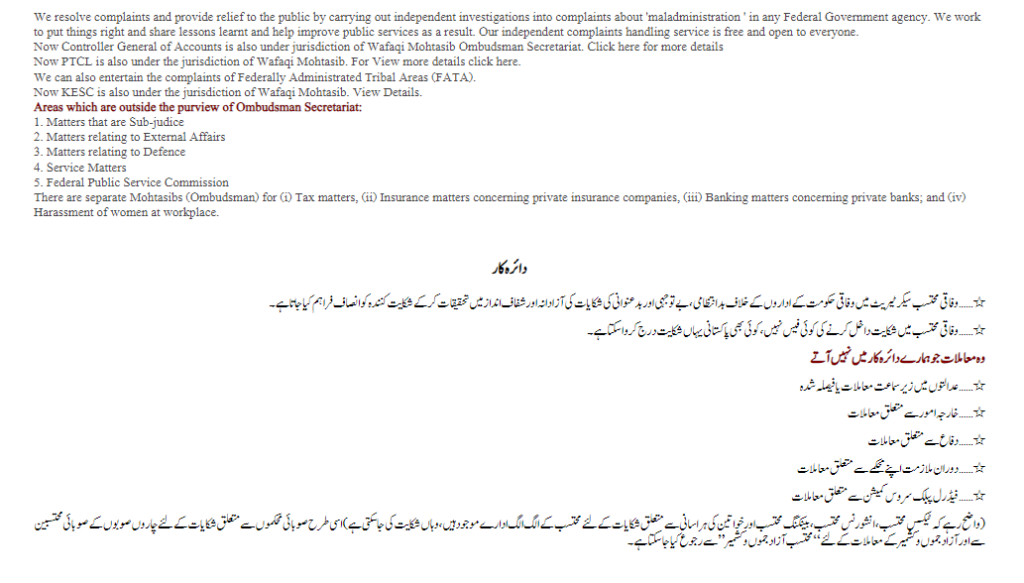
Wafaqi Mohtasib (Ombudsman): Duties and Complaint Resolution Process
In today’s complex bureaucratic landscape, understanding your rights when faced with maladministration can be empowering. Whether you’ve encountered delays in government services, unfair treatment, or administrative negligence, the role of the Wafaqi Mohtasib (ombudsman) Secretariat وفاقی محتسب سیکر ٹیر یٹ becomes pivotal in seeking justice and ensuring accountability.
Introduction
Have you ever felt frustrated by bureaucratic red tape or unfair treatment by government Departments? Imagine a dedicated office that listens to your grievances impartially and works to correct administrative wrongs. This is precisely the role of the Wafaqi Mohtasib (ombudsman) Secretariat وفاقی محتسب سیکر ٹیر یٹ, an institution designed to ensure transparency, accountability, and fairness in public administration.
What is Maladministration?
Maladministration refers to the improper or negligent conduct of public affairs or the administration of justice. It involves actions or decisions by government officials or organizations that are unfair, unreasonable, or contrary to law or established rules. This term is often used in administrative law contexts to describe actions that result in injustice, inconvenience, or hardship to individuals or groups due to administrative errors, incompetence, bias, or lack of adherence to proper procedures. In many legal systems, there are mechanisms such as ombudsmen or administrative tribunals that address complaints of maladministration and seek remedies for those affected.
Evolution of Ombudsman Institutions
The ombudsman institution has a rich history, evolving from a Swedish concept into a global phenomenon. Ombudsmen play a crucial role in ensuring transparency, accountability, and fairness within various sectors, including government, finance, and insurance. This article explores the evolution of ombudsman institutions, highlighting their origins, development, and impact across different regions and sectors.
Origins in Sweden
The concept of the ombudsman originated in Sweden in the early 19th century. The first ombudsman, known as the Justitieombudsman, was established in 1809 to oversee the legal and administrative activities of public officials. This role was designed to protect citizens’ rights by investigating complaints and ensuring that government actions were lawful and just.
Spread to Other Nordic Countries
Following Sweden’s example, other Nordic countries adopted the ombudsman model. Finland established its Parliamentary Ombudsman in 1919, and Denmark followed with the creation of its ombudsman in 1955. These institutions were tasked with similar responsibilities, focusing on safeguarding citizens’ rights and promoting good governance.
Global Expansion
The success of the ombudsman in the Nordic countries prompted other nations to establish similar institutions. The concept spread across Europe, with countries like the United Kingdom, Spain, and Portugal creating their own ombudsman offices in the mid-20th century. The UK Parliamentary Commissioner for Administration, known as the Parliamentary Ombudsman, was established in 1967, marking a significant expansion of the institution outside the Nordic region.
Adoption in Commonwealth Countries
Commonwealth countries, influenced by the British model, also embraced the ombudsman concept. Pakistan, India, New Zealand, and Australia established their ombudsman institutions in the 1960s and 1970s. These offices aimed to address grievances against government agencies and ensure administrative justice.
Ombudsman in the Financial Sector
The 1980s and 1990s saw the expansion of the ombudsman role into the financial sector. Countries like the UK introduced the Financial Ombudsman Service in 2001, which provides a mechanism for resolving disputes between consumers and financial service providers. This development highlighted the adaptability of the ombudsman concept to various sectors beyond public administration.
Emergence in Insurance
The insurance industry also adopted the ombudsman model to address consumer complaints and disputes. The Insurance Ombudsman, established in many countries, ensures that insurance companies adhere to fair practices and that consumers have a platform to resolve their grievances. This institution has become vital in promoting transparency and accountability within the insurance sector.
Modern Developments
In recent years, the ombudsman institution has continued to evolve, adapting to new challenges and expanding its reach. Digitalization and globalization have influenced the role of ombudsmen, requiring them to address issues related to technology, data privacy, and cross-border disputes. Many countries have also established specialized ombudsman offices to handle specific areas such as health, education, and human rights.
Impact and Importance
The evolution of ombudsman institutions has significantly impacted public administration and various sectors. These institutions have enhanced transparency, accountability, and fairness, ensuring that citizens’ rights are protected and that grievances are addressed promptly. Ombudsmen have also played a crucial role in promoting good governance and strengthening democratic institutions.
Role and Responsibilities of Wafaqi Mohtasib (ombudsman) Secretariat وفاقی محتسب سیکر ٹیر یٹ
The Maladministration Mohtasib, also known as the Ombudsman, plays a critical role in ensuring public accountability and addressing complaints against government agencies and officials. The position is designed to protect citizens from any form of administrative injustice and inefficiency. Here are the primary roles and responsibilities of the Maladministration Mohtasib/Ombudsman:
1. Addressing Complaints
The Ombudsman is responsible for receiving and investigating complaints from individuals who believe they have been unfairly treated by government agencies or public officials. This includes instances of abuse of power, negligence, discrimination, and other forms of maladministration.
2. Investigating Maladministration
Upon receiving a complaint, the Wafaqi Mohtasib (ombudsman) Secretariat وفاقی محتسب سیکر ٹیر یٹ conducts a thorough investigation to determine if there has been any maladministration. This involves collecting evidence, interviewing relevant parties, and reviewing documents and records. The Ombudsman has the authority to summon witnesses and demand access to necessary information.
3. Recommending Corrective Actions
If maladministration is found, the Wafaqi Mohtasib (ombudsman) Secretariat وفاقی محتسب سیکر ٹیر یٹ can recommend corrective actions to the relevant government agency or official. These recommendations are aimed at rectifying the situation, compensating the complainant if necessary, and preventing similar issues in the future. While the Ombudsman’s recommendations are not legally binding, they carry significant moral and political weight.
4. Promoting Good Governance
The Ombudsman plays a proactive role in promoting good governance practices within public administration. This involves suggesting improvements to policies, procedures, and practices to enhance efficiency, transparency, and accountability in government operations.
5. Raising Public Awareness
Educating the public about their rights and the role of the Ombudsman is another key responsibility. The Ombudsman engages in outreach activities, publishes reports, and uses media channels to inform citizens about how they can seek redress for administrative injustices.
6. Reporting to the Government and Legislature
The Ombudsman regularly reports findings and recommendations to the government and legislature. These reports highlight systemic issues in public administration and suggest legislative or policy changes to address them. The Ombudsman also provides an annual report detailing the office’s activities, significant cases, and overall impact.
7. Ensuring Fair Treatment
One of the fundamental responsibilities of the Ombudsman is to ensure that all individuals receive fair treatment from public authorities. This includes safeguarding against discrimination, bias, and unequal treatment, and ensuring that public services are accessible to all segments of society.
8. Advising on Policy and Legislation
The Ombudsman may also advise the government on policy and legislative matters, particularly those related to administrative justice and public accountability. This advisory role helps shape policies that prevent maladministration and protect citizens’ rights.
9. Handling Specific Cases
In addition to general complaints, the Ombudsman may handle specific types of cases, such as those involving public procurement, corruption, and whistleblower protection. Each case is addressed with the same level of thoroughness and impartiality to uphold justice and accountability.
10. Collaborating with Other Oversight Bodies
The Ombudsman often collaborates with other oversight and regulatory bodies to address complex cases of maladministration. This collaboration ensures a comprehensive approach to resolving issues and strengthens the overall system of checks and balances in public administration.
Types of Complaints Handled
From issues related to pension delays to unfair treatment in healthcare, the Maladministration Mohtasib/Ombudsman handles a wide array of grievances. Common complaints include bureaucratic delays, arbitrary decisions, lack of transparency, and inadequate service delivery.
How to File a Complaint
Filing a complaint with the Maladministration Mohtasib/Ombudsman is straightforward. Individuals can submit their grievances either online, by mail, or in person. It’s essential to provide detailed information and supporting documents to facilitate a thorough investigation.
Investigation Process
Upon receiving a complaint, the Maladministration Mohtasib/Ombudsman initiates an investigation. This involves gathering evidence, interviewing relevant parties, and assessing whether administrative actions were fair, reasonable, and in accordance with established policies.
Case Resolution and Recommendations
After careful consideration of the facts, the Maladministration Mohtasib/Ombudsman issues recommendations aimed at rectifying any identified administrative deficiencies. These recommendations may include policy changes, procedural improvements, or compensation for aggrieved parties.
Impact and Benefits
The impact of Maladministration Mohtasib/Ombudsman interventions can be profound, leading to improved public trust, streamlined government processes, and enhanced service delivery. By holding officials accountable, these institutions contribute to a fairer and more responsive governance framework.
Limitations and Challenges
Despite their significant role, Maladministration Mohtasib/Ombudsman offices face challenges such as limited jurisdiction, resource constraints, and bureaucratic resistance. Addressing systemic issues often requires sustained advocacy and legislative support.
To file online complaint fill in your complete details in the form below. To file the complaint collect all the relevant documents related to the complaint. You can hire the lawyer to represent you in the case and prepare complaint for you.
In conclusion, the Wafaqi Mohtasib (ombudsman) Secretariat وفاقی محتسب سیکر ٹیر یٹ serves as a beacon of hope for individuals navigating bureaucratic challenges. By providing a mechanism for redressal and accountability, these institutions uphold the principles of fairness and transparency in public administration.
FAQs
What should I do if I’m not satisfied with the Ombudsman’s decision? If dissatisfied, you may appeal to President of Pakistan through prescribed channels or seek legal advice for further recourse.
What qualifies as maladministration? Maladministration includes instances of administrative negligence, delay, bias, or procedural irregularities that cause harm or injustice.
How long does it take to resolve a complaint? The time taken varies based on the complexity of the case and cooperation from involved parties. Typically, simpler cases are resolved faster.
Can the Maladministration Wafaqi Mohtasib (ombudsman) Secretariat وفاقی محتسب سیکر ٹیر یٹ enforce decisions? yes they can enforce decisions, their recommendations hold significant persuasive power and often lead to corrective actions by authorities.
Is filing a complaint with the Wafaqi Mohtasib (ombudsman) Secretariat وفاقی محتسب سیکر ٹیر یٹ ? Yes, filing a complaint is usually free of charge. The office is funded by the government to provide impartial services to the public.
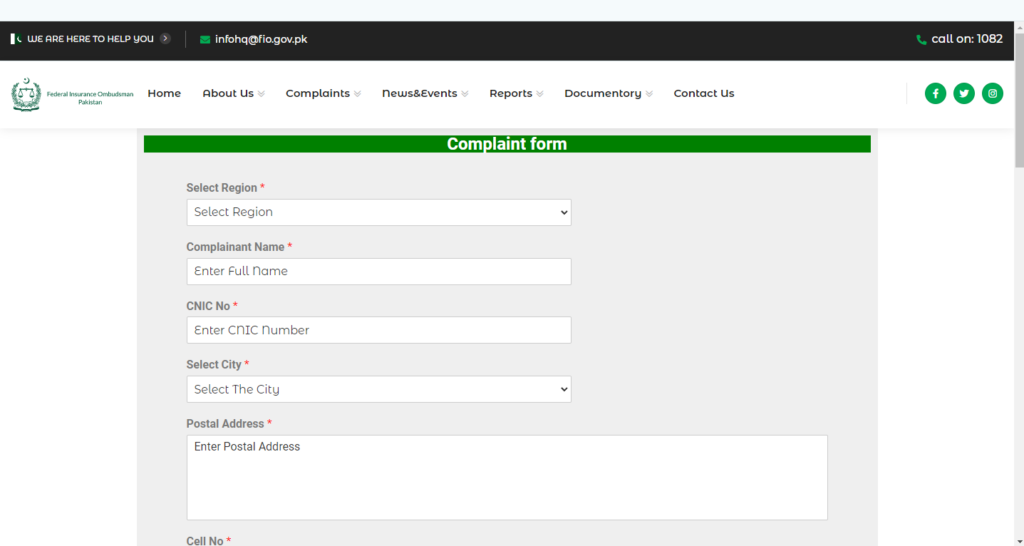
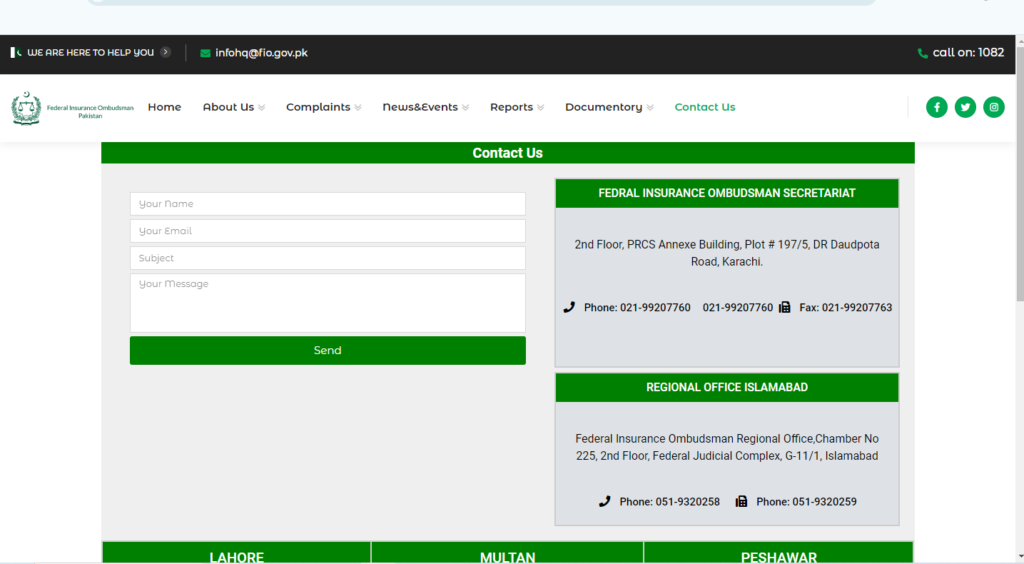
In case you are wondering how to get claim from any insurance company in Pakistan. In case Jubilee insurance, State Life Insurance, Adam Jee Insurance or any other insurance company is trying to cheat. As Pakistani citizen you have right to take insurance companies to court. Their is a special court known as insurance mohatasib or insurance ombudsman in federal capital Islamabad and it has branches in every provincial capital as well. The process of filing complaint is very easy and simple. The case disposal or redressal of your grievances time is also very short as these ombudsman uses summary process to resolve matters.
Insurance Mohtasib/Ombudsman: Functions and Filing Complaints
In today’s complex world of insurance, understanding your rights and avenues for resolution is crucial. Whether you’ve faced claim denials, delayed payments, or disputes with your insurer, the Insurance Mohtasib/Ombudsman serves as a vital mediator. This article explores the functions of the Insurance Mohtasib/ Federal Insurance Ombudsman Pakistan and guides you through the process of filing complaints effectively.
What is an Insurance Mohtasib/Insurance Ombudsman Pakistan?
An Insurance Mohtasib or Insurance Ombudsman Pakistan is an independent and impartial authority appointed by the government or regulatory bodies in various countries. Their role is to resolve complaints and disputes between policyholders (consumers) and insurance companies. They ensure fair treatment and adherence to insurance laws and regulations by investigating complaints, mediating between parties, and facilitating resolutions that are fair and equitable. The Insurance Mohtasib/Insurance Ombudsman Pakistan typically handles issues such as claim denials, delays in processing claims, policy disputes, and other grievances related to insurance policies. They provide a formal avenue for policyholders to seek redressal without resorting to lengthy legal proceedings.
Importance of the Insurance Mohtasib/Insurance Ombudsman Pakistan
Here are some key reasons highlighting their importance:
Consumer Protection: They act as an independent mediator to protect the rights of insurance consumers. Policyholders can approach them if they feel unfairly treated or have grievances against insurance companies.
Dispute Resolution: They provide a mechanism for resolving disputes efficiently and impartially. This helps in avoiding lengthy legal battles and provides a faster resolution for policyholders.
Transparency and Accountability: By overseeing insurance practices, they promote transparency in the insurance industry. This encourages insurance companies to adhere to ethical standards and comply with regulatory requirements.
Education and Awareness: They educate consumers about their rights and responsibilities under insurance policies. This empowers policyholders to make informed decisions and enhances their understanding of insurance terms and conditions.
Improving Insurance Practices: Through their recommendations and rulings, they contribute to improving insurance practices and policies. This benefits both consumers and insurance companies by fostering a fairer and more competitive insurance market.
Regulatory Support: They complement regulatory bodies by addressing specific consumer complaints and issues that may not fall under general regulatory oversight.
In essence, the Insurance Mohtasib/Ombudsman plays a pivotal role in safeguarding consumer interests, promoting fairness, and maintaining trust in the insurance sector.
How does the Insurance Mohtasib or Insurance Ombudsman Pakistanhelp consumers?
Here are some ways they help consumers:
Handling Complaints: They provide a platform for consumers to lodge complaints against insurance companies for issues like claim disputes, delays, unfair practices, etc.
Mediation and Resolution: They mediate between consumers and insurance companies to resolve disputes amicably and fairly, aiming to achieve a satisfactory outcome for both parties.
Investigation: They investigate complaints thoroughly, gathering necessary information from both sides to make informed decisions.
Recommendations: Based on their investigations, they make recommendations for corrective actions to insurance companies to rectify any unfair treatment or mistakes.
Promoting Fair Practices: They promote fair practices within the insurance industry by addressing systemic issues and encouraging compliance with regulations.
Educating Consumers: They educate consumers about their rights and responsibilities regarding insurance policies and claims.
Improving Transparency: By promoting transparency, they ensure that insurance policies are clear and understandable to consumers.
Overall, the Insurance Mohtasib/Ombudsman acts as a neutral third party to ensure that consumers are treated fairly and that insurance companies uphold their obligations responsibly.
When should you approach the Insurance Mohtasib/Insurance Ombudsman Pakistan?
You should approach the Insurance Mohtasib/Ombudsman when you have a complaint against an insurance company that hasn’t been resolved satisfactorily through their internal grievance handling process. Here are some common situations when you might consider approaching the Insurance Mohtasib/Ombudsman:
Unresolved Complaints: If you’ve filed a complaint with your insurance company and they haven’t resolved it within a reasonable time frame or to your satisfaction.
Claims Disputes: If you believe your insurance claim has been unfairly denied, delayed, or underpaid, and you’ve exhausted the insurer’s appeal process.
Policy Issues: When there are disagreements or confusion regarding policy terms, coverage, premiums, or any other contractual matters.
Service Issues: If you’ve faced poor customer service or unethical behavior from the insurance company.
Non-disclosure or Misrepresentation: If you believe the insurer misrepresented information or didn’t disclose important details that affected your insurance coverage or claim.
Approaching the Insurance Mohtasib/Ombudsman typically comes after you’ve tried to resolve the issue directly with the insurance company and haven’t received a satisfactory resolution. They serve as an independent mediator to help resolve disputes between policyholders and insurers fairly.
Gather Documentation: Collect all relevant documents—policy details, correspondence, and evidence supporting your complaint.
Contact the Ombudsman: Reach out to the Insurance Mohtasib/Ombudsman’s office. They often have online forms or helplines for initiating complaints.
Submit Your Complaint: Fill out the complaint form accurately. Include concise details of your issue and attach supporting documents.
Await Response: The Ombudsman will acknowledge receipt and begin the investigation process.
What happens after you file a complaint?
Understanding the next steps
Once your complaint is lodged, the Ombudsman will review the case impartially. They may seek additional information from both parties and propose recommendations for resolution.
Limitations and Scope of the Insurance Mohtasib/Ombudsman
Know the boundaries
While they strive for fair outcomes, certain cases involving legal complexities or matters outside their jurisdiction may be referred to the courts. Understanding these limitations helps manage expectations.
Differences between Insurance Mohtasib/Insurance Ombudsman Pakistanand Courts
Choosing the right path
Unlike courts, which involve formal legal proceedings, the Ombudsman offers a quicker, less adversarial route. They focus on mediation rather than litigation, promoting amicable resolutions.
Examples of Resolved Cases
Real-world success stories
From disputed claims to policy misinterpretations, numerous cases have been successfully resolved through the Ombudsman’s intervention. These examples highlight their effectiveness in achieving fair outcomes.
Tips for Effective Communication
Enhancing your interaction
Be Clear and Concise: Articulate your concerns with clarity.
Provide Evidence: Support your claims with documented proof.
Stay Patient: Allow time for thorough investigation and resolution.
Conclusion
In conclusion, the Insurance Mohtasibc or Ombudsman plays a pivotal role in safeguarding consumer rights within the insurance sector. By offering a streamlined, impartial approach to dispute resolution, they ensure fairness and accountability. Whether you’re facing claim issues or policy disputes, understanding how to leverage their services can make a significant difference in achieving satisfactory outcomes.
FAQs about Insurance Mohtasib/Insurance Ombudsman Pakistan
1. What types of complaints can I file with the Insurance Mohtasib/Ombudsman? You can file complaints related to claim rejections, delayed payments, policy disputes, and issues of non-disclosure, among others.
2. Is there a cost associated with filing a complaint with the Insurance Mohtasib/Ombudsman? No, the services of the Insurance Mohtasib/Ombudsman are typically free of charge for consumers.
3. How long does it take for the Insurance Mohtasib/Ombudsman to resolve a complaint? Resolution times vary depending on the complexity of the case, but they aim to resolve complaints within a reasonable timeframe.
4. Can the Insurance Mohtasib/Ombudsman enforce decisions on insurance companies? Their recommendations are persuasive rather than binding, but insurers generally comply to maintain good standing.
5. What if I’m not satisfied with the Ombudsman’s decision? If you disagree with the outcome, you may still pursue legal avenues through the courts if necessary.
File Online Complaint in Federal Insurance Ombudsman by clicking below:
Role of the Ombudsman for Women Harassment is crucial in addressing issues of harassment and ensuring a safe environment. This article explores the responsibilities of the Ombudsman, how to file a complaint, and steps individuals can take to seek redress.
Introduction
The Ombudsman for Women Harassment (FOSPAH) plays a critical role in addressing and preventing harassment against women. This guide outlines the responsibilities of the Ombudsman, how to file a complaint, and what to expect during the process.
Role of the Ombudsman (FOSPAH)
Their responsibilities typically include:
Receiving Complaints: They accept and investigate complaints related to harassment against women, ensuring confidentiality and sensitivity throughout the process.
Investigating Cases: They conduct impartial investigations into reported incidents of harassment to ascertain the facts and provide recommendations for resolution.
Providing Redress: They recommend appropriate measures or actions to address the harassment, aiming to ensure justice and prevent recurrence.
Raising Awareness: They educate the public about laws related to women’s harassment and promote a culture of respect and gender equality.
Advisory Role: They may advise organizations and institutions on policies and practices to prevent harassment and create safer environments for women.
Monitoring and Reporting: They monitor trends in harassment cases and may report findings and recommendations to the government or relevant authorities for policy improvement.
Overall, the Ombudsman (FOSPAH) for Women Harassment acts as a vital advocate for women’s rights, striving to eliminate harassment and promote a supportive environment for all individuals.
Types of Harassment Covered
The Ombudsman (FOSPAH) addresses various forms of harassment, including:
Sexual Harassment: Unwelcome sexual advances, requests for sexual favors, or other verbal or physical conduct of a sexual nature.
Gender-Based Harassment: Harassment based on a person’s gender identity or expression.
Workplace Harassment: Harassment occurring in the workplace environment, affecting employment and professional opportunities.
How to File a Complaint
Filing a complaint with the Federal Ombudsman for Women Harassment (FOSPAH) typically involves these steps:
Gather Information: Collect all relevant details regarding the incident(s) of harassment, including dates, times, and any supporting evidence.
Prepare Your Complaint: Write a formal complaint detailing the harassment experienced. Include specific incidents, names of individuals involved, and any witnesses.
Contact the Ombudsman’s Office: Reach out to the Ombudsman for Women Harassment office. You can usually find contact information on official government websites or through local legal aid organizations.
Submit Your Complaint: Submit your complaint in writing or according to the preferred format of the Ombudsman’s office. Include all relevant documents and evidence that support your complaint.
Follow Up: Keep track of your complaint’s progress. The Ombudsman’s office may investigate the matter and may require additional information or statements from you.
Await Response: Wait for a response from the Ombudsman’s office regarding the outcome of their investigation or any actions they plan to take.
Seek Legal Advice (if necessary): If you encounter any difficulties during the process or require legal guidance, consider seeking advice from a lawyer specializing in harassment cases.
Each jurisdiction may have specific procedures or variations, so it’s essential to check with the relevant Ombudsman’s office or legal authority for precise instructions.
Here are the general steps involved in filing a complaint:
Identify the Issue: Clearly understand what your complaint is about and gather any relevant documents or evidence to support your claim.
Contact the Relevant Party: Reach out to the organization, company, or individual you have a complaint against. This can often be done through customer service, a specific complaints department, or directly to the person involved.
Prepare Your Complaint: Write down a clear and concise statement outlining your complaint. Include details such as dates, times, names of people involved, and any relevant communication you’ve had.
Submit Your Complaint: Depending on the organization’s procedure, you may need to submit your complaint through a specific form, email, or letter. Ensure you follow their guidelines for submission.
Follow Up: After submitting your complaint, monitor the progress. You may need to follow up with the organization to check on the status of your complaint and provide any additional information if requested.
Resolution: Ideally, the organization will investigate your complaint and provide a resolution. This could involve corrective action, compensation, or other forms of resolution based on the nature of your complaint.
Escalation: If you are not satisfied with the initial response, there may be further steps within the organization’s complaints process to escalate your complaint to a higher authority.
External Options: If you exhaust internal options and are still dissatisfied, you may consider external options such as regulatory bodies, ombudsmen, or legal action, depending on the nature of your complaint and the applicable laws.
These steps can vary depending on the context and the organization you are dealing with. It’s important to review the specific procedures outlined by the organization you’re filing a complaint against.
Investigation Process
So here are key steps typically involved:
Define the Scope: Clearly outline the objectives and boundaries of the investigation to focus efforts effectively.
Gather Information: Collect pertinent data, evidence, and documentation through various methods such as interviews, document review, site visits, and digital forensics.
Analyze Evidence: Evaluate the collected information to identify patterns, discrepancies, or correlations that may shed light on the issue being investigated.
Interview Witnesses: Conduct interviews with relevant individuals to gather firsthand accounts and perspectives on the matter under investigation.
Maintain Documentation: Keep detailed records of all findings, interviews, and evidence in a structured manner to ensure clarity and traceability.
Formulate Hypotheses: Develop hypotheses or theories based on the evidence gathered, which will guide further investigation and analysis.
Draw Conclusions: Synthesize the findings and determine conclusions based on the evidence and analysis conducted.
Report Findings: Present the investigation findings in a clear, objective, and comprehensive report, including recommendations for any necessary actions or changes.
Review and Follow-Up: Review the investigation process to identify areas for improvement and ensure that any recommended actions are implemented appropriately.
Each step should be conducted with attention to detail, adherence to legal and ethical standards, and consideration of the overall objectives of the investigation.
Resolution and Recommendations
So here’s a structured approach you can consider:
Resolution
Summary of Findings: Concisely outline the key findings of the investigation.
Root Causes Identified: Identify the root causes or contributing factors that led to the issue.
Impact Assessment: Assess the impact of the issue on stakeholders, operations, or objectives.
Responsibility Acknowledgment: Clearly state any accountability or responsibility related to the issue.
Recommendations
Corrective Actions: Propose specific actions to address the identified issues and prevent recurrence.
Improvement Measures: Suggest improvements to processes, policies, or controls.
Training and Awareness: Recommend training programs or awareness campaigns to mitigate similar risks in the future.
Monitoring and Follow-up: Outline plans for monitoring the implementation of recommendations and evaluating their effectiveness.
Legal Recourse
What if harassment is substantiated:
Legal Options
The Ombudsman may recommend legal recourse, including filing a case in civil or criminal court, depending on the severity of the harassment.
Support Services
Throughout the process:
Victim Support
The Ombudsman’s office provides support services to victims, including counseling, legal advice, and referrals to other support organizations.
How to File Complain at Federal Ombudsman Secretariat for Protection Against Harassment (FOSPAH) Online?
So To File complaint you can either file through lawyer or you can also file complaint without lawyer and represent yourself in the case. FOSPAH offers online filing of complaints for the victims as well. you can wither file complaint by physically visiting FOSPAH head office in Islamabad or its regional offices in provincial capitals. to File complaint at FOSPAH online visit following link.
1. Is filing a complaint with the Ombudsman confidential? Yes, the Ombudsman ensures confidentiality throughout the complaint process to protect the identities of those involved.
2. What happens if the Ombudsman finds evidence of harassment? If harassment is substantiated, the Ombudsman may recommend disciplinary actions, policy changes, or legal recourse.
3. Can the Ombudsman enforce penalties for harassment? The Ombudsman can recommend penalties, but enforcement may require legal action through appropriate authorities.
4. Are there time limits for filing a complaint with the Ombudsman? While it’s advisable to file promptly, the Ombudsman may accept complaints within a reasonable timeframe from the incident.
5. How can workplaces prevent harassment? Workplaces can prevent harassment by implementing clear policies, providing training, and fostering a culture of respect and equality.
Understanding tax laws is crucial for individuals and businesses alike. This comprehensive guide explores key concepts in tax law, compliance requirements, and practical tips to ensure you navigate the tax landscape effectively.
Introduction
Tax laws govern how individuals and businesses pay taxes to the government. This guide aims to simplify complex tax concepts and provide practical insights into complying with tax obligations.
Understanding tax law involves grasping the legal framework governing taxation, which varies by jurisdiction. It typically covers laws related to income tax, corporate tax, property tax, sales tax, and more. Key aspects include tax rates, deductions, credits, filing requirements, and legal consequences for non-compliance. If you have specific questions or need details on a particular aspect of tax law, feel free to ask!
Types of Taxes
here are some common types of taxes:
Income Tax: Tax levied on the income of individuals and businesses.
Sales Tax: Tax imposed on the sale of goods and services.
Property Tax: Tax based on the value of real estate or personal property.
Corporate Tax: Tax imposed on the profits earned by corporations.
Capital Gains Tax: Tax on the profit from the sale of assets such as stocks, bonds, or real estate.
Estate Tax: Tax on the transfer of property upon the death of the owner.
Excise Tax: Tax on specific goods, such as gasoline, tobacco, or alcohol.
Payroll Tax: Tax withheld from employees’ wages to fund Social Security and Medicare.
Customs Duty: Tax imposed on goods imported into a country.
Gift Tax: Tax on the transfer of property by one individual to another, without adequate compensation.
These are some of the key types of taxes governments use to generate revenue for public services and infrastructure.
Taxation Principles
Key principles of taxation include:
Equity: Taxes should be fair and based on ability to pay.
Certainty: Taxpayers should know how much to pay and when.
Convenience: Taxes should be easy to pay and collect.
Economy: Tax collection should be efficient, minimizing administrative costs.
Tax Compliance Requirements
To comply with tax laws, individuals and businesses must:
Maintain Records: Keep accurate financial records and receipts.
File Returns: Submit tax returns on time, reporting income and deductions.
Pay Taxes: Pay taxes owed by the due date to avoid penalties and interest.
Filing taxes typically involves several key steps:
Gathering Documents: This includes collecting all necessary income statements, receipts for deductions, and any other relevant financial documents.
Completing Forms: You’ll need to accurately fill out tax forms, detailing your income, deductions, and credits. Common forms include the series for personal taxes or specific forms for business taxes.
Submitting Returns: After completing the forms, you can submit your tax return electronically through FBR-approved software or by mailing it to the appropriate FBR address. It’s crucial to ensure submission is done before the tax filing deadline, typically end of September for most individuals.
Each step requires attention to detail to ensure compliance with tax laws and to maximize potential refunds or minimize tax liabilities.
Tax Deductions and Credits
Tax deductions and credits can significantly reduce your taxable income or tax liability. Deductions are expenses that you can subtract from your taxable income, thereby reducing the amount of income that is subject to tax. Common deductions include expenses related to mortgage interest, charitable contributions, medical expenses exceeding a certain threshold, and certain educational expenses.
On the other hand, tax credits directly reduce the amount of tax you owe. They are often more valuable than deductions because they reduce your tax liability. Examples of tax credits include the Earned Income Tax Credit (EITC), Child Tax Credit, and credits for energy-efficient home improvements.
It’s important to keep records of expenses that qualify for deductions or credits and to understand the eligibility criteria and limits for each. This can help you maximize your tax savings and ensure compliance with tax laws. If you need more specific information about deductions or credits, feel free to ask!
Tax Planning Strategies
Tax planning strategies can help individuals and businesses minimize their tax liability while remaining compliant with tax laws. Here are some effective strategies to consider:
Utilize Tax-Advantaged Accounts: Contribute to retirement accounts Health Savings Accounts (HSAs) to reduce taxable income.
Take Advantage of Deductions: Maximize deductions like mortgage interest, charitable contributions, and state and local taxes (if applicable) to lower taxable income.
Tax Loss Harvesting: Offset capital gains by selling investments at a loss, which can reduce your overall tax burden.
Timing of Income and Expenses: Strategically defer income to future years or accelerate deductions into the current year to optimize tax benefits.
Investment Strategies: Invest in assets with favorable tax treatment, such as municipal bonds or qualified dividends, to lower taxable investment income.
Business Expenses: Deduct eligible business expenses, including home office expenses, travel, and equipment purchases, to reduce taxable business income.
Tax Credits: Take advantage of tax credits like the Earned Income Tax Credit (EITC) or Child Tax Credit to directly reduce your tax liability.
Estate Planning: Plan ahead to minimize estate taxes through strategies like trusts, gifting, or charitable donations.
Entity Structure: Consider the tax implications of different business structures (e.g., sole proprietorship, partnership, corporation) to choose the most tax-efficient option.
Consult a Tax Professional: Tax laws can be complex and vary by jurisdiction. Consulting with a tax advisor or accountant can help tailor strategies to your specific situation and ensure compliance.
Implementing these strategies can help individuals and businesses effectively manage their tax obligations and optimize financial planning efforts.
Penalties for Non-Compliance
Failure to comply with tax laws can result in penalties:
Late Filing Penalty: Charged for filing taxes after the deadline.
Underpayment Penalty: Imposed for not paying enough tax throughout the year.
Accuracy-Related Penalties: Applied for negligence or substantial understatements of tax.
Tax laws are subject to change. Typically in yearly budget announced by the Government of Pakistan in the month of June every Year Govt. announce Tax changes. Tax Changes for The Budget 2024 are already announced. you can get the copy of Tax changes in the budget 2024 from link Below:
Legislative Changes: New laws enacted by legislative bodies.
Regulatory Changes: FBR or state tax agency regulations and interpretations.
To understand latest Tax laws and for detailed knowledge of the relevant tax information you are looking for You can Download or read the Tax Law Amendments 2024 :
1. What is the difference between tax deduction and tax credit? Tax deductions reduce taxable income, while tax credits directly reduce tax liability.
2. When is the deadline for filing taxes? The deadline for filing taxes is typically End of September of each year, unless it falls on a weekend or holiday.
3. How can I avoid penalties for late filing? File your taxes on time or request an extension if you cannot meet the deadline.
4. Are all donations tax-deductible? No, only donations to qualified charitable organizations recognized by the FBR are tax-deductible.
5. Where can I find information about recent changes in tax law? Check with the FBR website or consult a tax professional for updates on tax law changes.
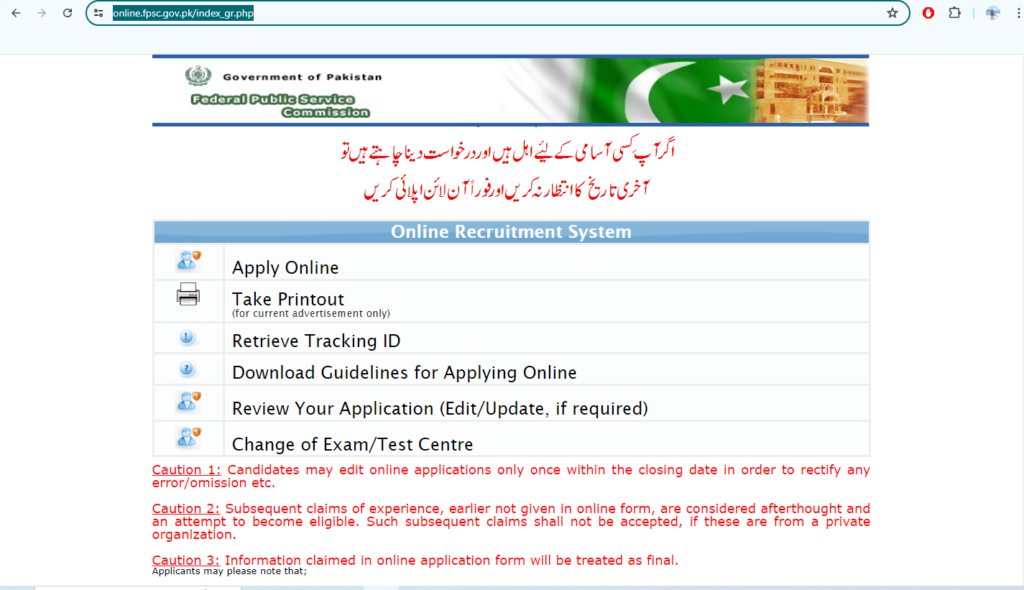
you can Download Fee challan Form of Fpsc for the jobs bs-16 and above.
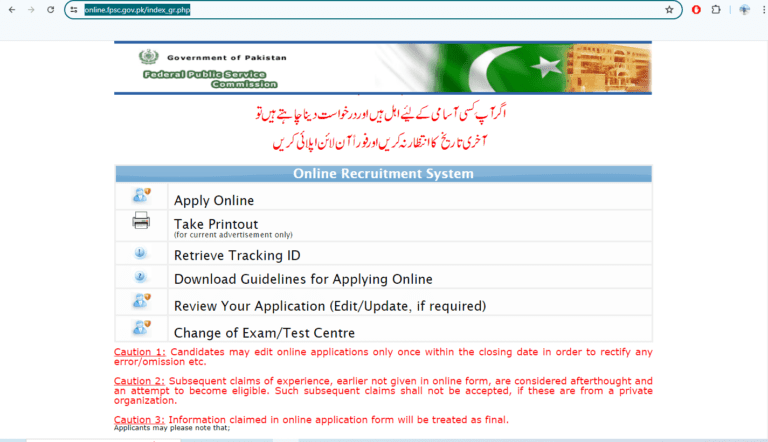
To Find the latest job openings at the Federal Public Service Commission (FPSC) in 2024, We have all the relevant details and download links you need for recruitment at Fpsc. Latest advertisement are announced for 2024 and we will update time to time in tha jobs section of site. You can find the latest advertisement on www.fpsc.gov.pk. Various positions are available, including Civilian Medical Practitioner, Deputy Director, Research Officer, Assistant Controller, and more. The deadline to apply for these jobs is February 19, 2024. If you’ve ever wanted to work for the Federal Public Service Commission, now’s your chance! Take a look at the information provided here to learn more.
To apply Online |for the latest Fpsc jobs 2024 click on the link below.
Fill in the Form by correctly mentioning all the details and submit in the nearest branch of national bank of Pakistan NBP.
You can pay utility bills and fee of different private and govt. department online in Pakistan using applications. To download cash wallet applications plz visit.
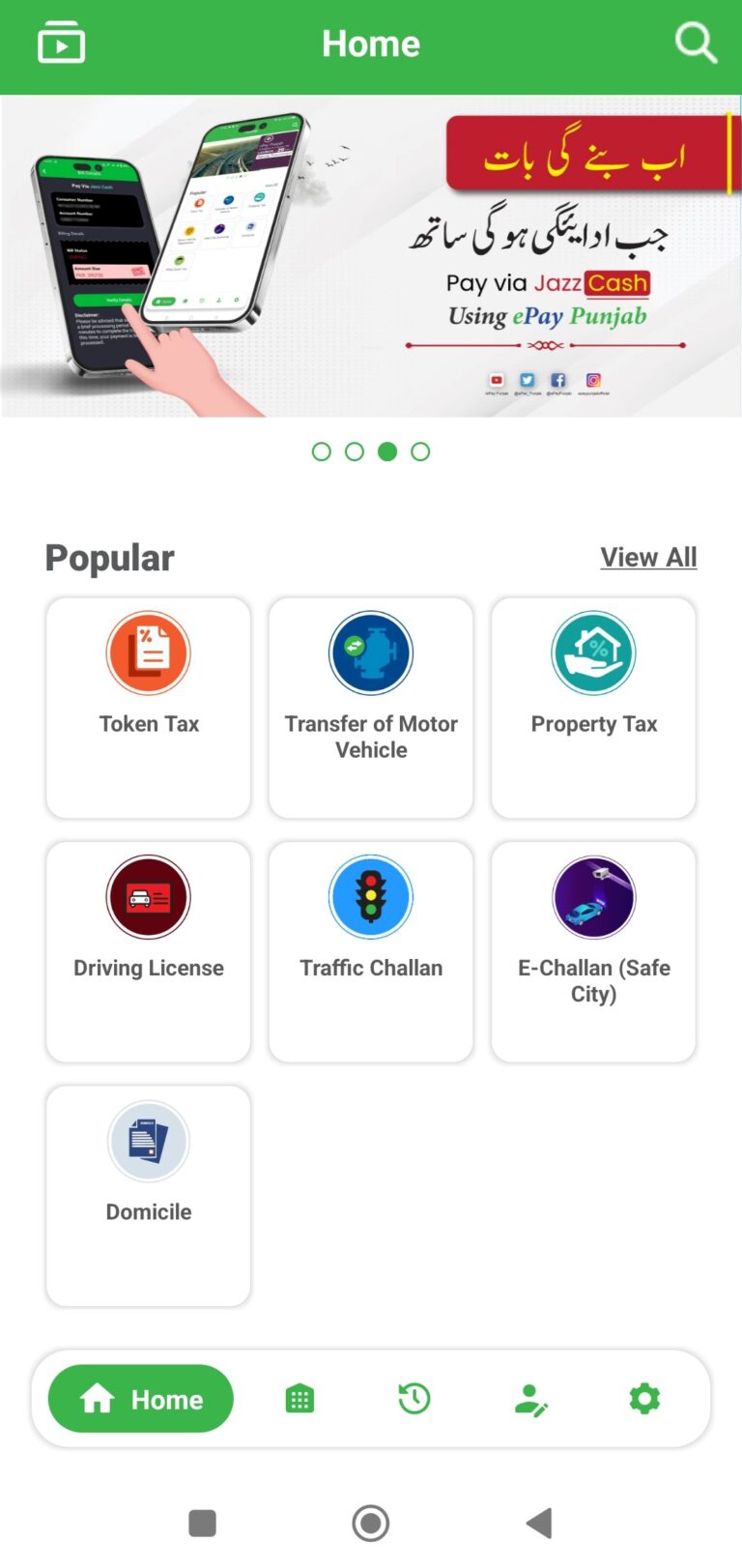
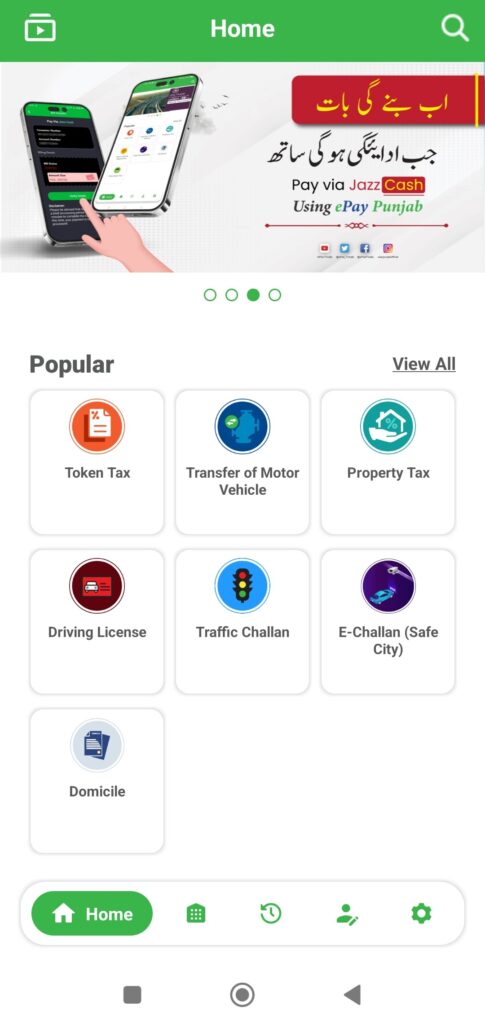
Punjab Excise and Taxation department Launched E-pay Punjab App.
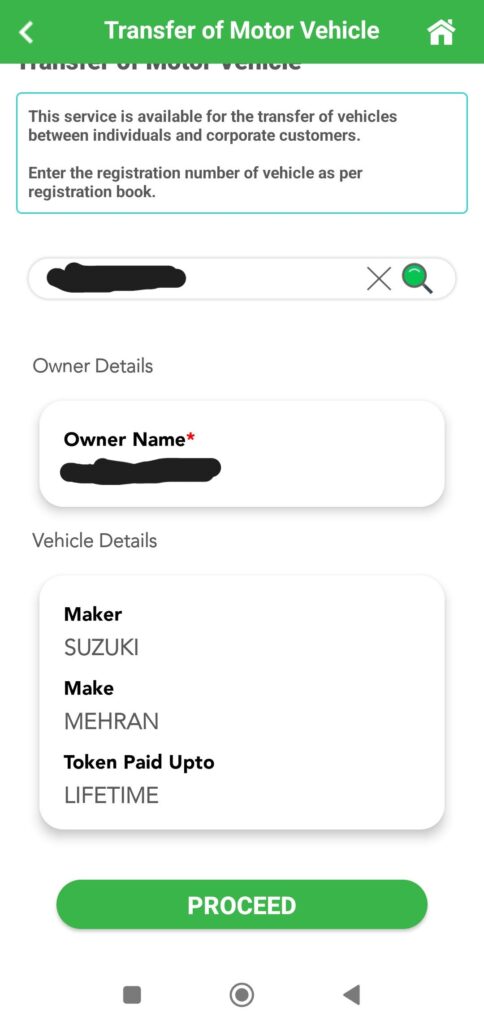
Now you don’t have to visit any office physically to get punjab registered car transfer. Just follow below steps and get your car ownership transferred from Punjab excise and taxation department.
Download E-pay Punjab App.
You can download Punjab E-pay App for both android and iOS the link is given Below.
Token Tax and many other facilities related to excise and taxation department Punjab can also be availed through e-pay Punjab application.
Just fill in the required information in e-pay Punjab app. After selecting the ownership transfer option from app. First fill in details about car registration in the prescribed format.
Choose District in which you want to transfer the car ownership. Do not choose registration city of your car in this section.
Fill in details of buyers and seller. That is just cnic numbers and mobile number of both buyer and seller.
Pay Fee:
After filling of all the information the e pay Punjab app in the end your fee voucher will be generated. Their are plenty of options to pay the fee online. i.e. via bank app or easy paisa app or any other app in which 1-link invoices option is available. Fee can also be paid by using easy paisa, Jazz cash or other mobile cash wallet app.
Biometric Verification:
After fee payment, fee invoice will be sent on the given email address. You will also get code for biometric verification of both the buyer and seller. Online application is completed now.
Now all you have to do is give this code to seller. He will visit any Nadra e-sahulat franchise near by and by giving the code get his biometric verification and the buyer will do the same process.
Their is no need to upload the verification. The system will automatically show the status of biometric verification as done when both buyer and seller will get their verification from Nadra e-sahulat.
Nadra e sahulat nearby can be found by using below link:
Most of the time your case of transfer gets approved without physical inspection of the vehicle. All you have to do is just wait for the card to be dispatched on your given address.
If you are asked for physical inspection in the e pay Punjab app status you can choose the excise office in your district and take appointment online before visiting.
Registration Card.
When filling in the form in e-pay Punjab app, enter the address where you want your card to be delivered. After successful completion of all the above mentioned steps all you have to do is just wait for the card to be delivered to your door step.
Injunction Suits or Stay Order: Types, Procedure, and Legal Implications
Injunction suits or stay orders as we call it in common man language here are pivotal legal actions used to prevent or compel specific actions, protecting rights and interests. This guide explores the types of injunctions, the legal procedure involved, and their profound implications in legal contexts.
Introduction
Injunction suits or suit for stay order in Pakistan are powerful legal tools used to enforce or restrain actions in disputes. This guide provides a comprehensive overview of injunction suits, their types, legal procedures, and the implications they carry in legal matters.
Understanding Injunction Suits or Stay Order
Injunction suits involve court orders that compel or restrain specific actions, protecting rights or preventing harm. They are crucial in resolving disputes where immediate action is necessary to preserve legal interests.
Importance of Injunctions
Here are key points highlighting importance of getting stay order in Pakistan:
Preventive Measure: Injunctions are often used to prevent irreparable harm or damage before a case is fully resolved. This could include stopping someone from infringing on intellectual property rights or preventing construction that violates zoning laws.
Preservation of Status Quo: They help maintain the current state of affairs until a legal dispute is resolved, ensuring that neither party gains an unfair advantage.
Enforcement of Rights: Injunctions enforce legal rights by compelling parties to act in a certain way or refrain from actions that could harm others. For instance, they might compel a company to honor contractual obligations or prevent harassment.
Emergency Relief: In urgent situations where immediate action is necessary, such as preventing imminent financial loss or bodily harm, temporary restraining orders (a type of injunction) can provide swift relief.
Equitable Relief: Unlike damages, which compensate for losses after they occur, injunctions provide equitable relief by addressing ongoing or potential harm before it escalates.
Flexibility: Courts can tailor injunctions to suit the circumstances of each case, ensuring that the relief granted is appropriate and proportionate.
Overall, injunctions or suit for Stay in Pakistan serve as powerful tools in maintaining fairness, protecting rights, and ensuring that justice is served effectively in civil and sometimes criminal matters. Their use requires careful consideration of legal principles and the specific facts of each case.
Types of Injunctions
There are several types of injunctions:
Temporary Restraining Order (TRO): Issued quickly to maintain the status quo while the court considers whether to issue a preliminary injunction.
Preliminary Injunction: Granted before or during trial to prevent irreparable harm while the case is ongoing.
Permanent Injunction: Issued at the end of a trial, ordering a party to take or refrain from taking a particular action indefinitely.
Mandatory Injunction: Orders someone to do a specific act or compel specific performance.
Prohibitory Injunction: Prevents someone from doing a specific act or engaging in certain conduct.
Mandatory Prohibitory Injunction: Combines elements of both mandatory and prohibitory injunctions, requiring someone to perform an act and refrain from certain actions.
Final Injunction: A permanent injunction issued after the trial and any appeals have been completed.
These injunctions can be used in various legal contexts, including civil disputes, family law, environmental law, and business litigation, among others.
Legal Grounds for Filing
When seeking an injunction, specific legal grounds must be established:
Likelihood of Success: Demonstrating a strong likelihood of success on the merits of the case.
Irreparable Harm: Showing that without an injunction, irreparable harm will occur.
Balance of Equities: Weighing the harm to the plaintiff against the harm to the defendant if an injunction is granted.
Procedure for Filing an Injunction Suit
Here’s a step-by-step guide to filing an injunction suit or suit to get stay order in Pakistan:
Prepare the Complaint: Draft a complaint outlining the legal basis for the injunction and the relief sought.
File with the Court: Submit the complaint along with any necessary supporting documents and pay the required filing fees.
Hearing on TRO: If seeking a Temporary Restraining Order (TRO), request an emergency hearing for immediate relief.
Preliminary Hearing: Attend hearings where preliminary matters, including the granting of a preliminary injunction, may be addressed.
Court Proceedings
Navigating court proceedings is critical in injunction suits or suit to get stay order in Pakistan:
Evidentiary Hearings: Present evidence supporting the need for injunctive relief.
Legal Arguments: Argue legal principles and precedents supporting the injunction request.
Witness Testimonies: Provide testimony from witnesses to support factual claims.
Judge’s Decision: The judge evaluates the evidence and legal arguments before deciding on the injunction request.
Evidence and Documentation
Compelling evidence strengthens an injunction suit or suit to get stay order in Pakistan:
Affidavits: Sworn statements detailing facts supporting the injunction request.
Expert Opinions: Reports or testimonies from experts validating claims of irreparable harm.
Photographic or Documentary Evidence: Visual or written evidence demonstrating the harm or violation.
Factors Considered by the Court
Courts consider several factors when deciding on injunction suits or suit to get stay order in Pakistan:
Likelihood of Success: Probability of the plaintiff prevailing on the merits of the case.
Irreparable Harm: Seriousness of harm if the injunction is not granted.
Public Interest: Impact on the broader public interest if the injunction is or isn’t granted.
Granting of Stay Order and Relief
If granted, injunctions or Stay order may provide various forms of relief:
Cease and Desist Orders: Prohibiting further actions that violate rights or cause harm.
Mandatory Injunctions: Compelling specific actions necessary to rectify a legal violation.
Monetary Bond: Requiring the plaintiff to post a bond to compensate the defendant for damages in case the injunction is wrongfully issued.
Legal Implications
Injunctions carry significant legal implications:
Enforcement: Non-compliance with an injunction can result in contempt of court charges.
Effectiveness: Injunctions can effectively preserve legal rights and prevent irreparable harm pending litigation.
Appeal and Review: Parties dissatisfied with injunction orders may seek appellate review to challenge the decision.
Conclusion
Injunction suits or suit to get stay order in Pakistan play a critical role in protecting legal rights and preventing harm in urgent situations. Understanding their types, legal procedures, and implications empowers individuals and organizations in navigating legal disputes effectively.
FAQs
1. What is the difference between a TRO and a preliminary injunction?
A Temporary Restraining Order (TRO) provides immediate relief for a short period, while a preliminary injunction maintains the status quo until a final decision is reached in the litigation.
2. Can injunctions be issued without a prior notice to the defendant?
In exceptional circumstances, such as when immediate action is necessary to prevent irreparable harm, courts may issue injunctions without prior notice to the defendant.
3. How long does an injunction typically last?
The duration of an injunction varies based on its type and the specifics of the case. Temporary injunctions may last until a preliminary or permanent injunction is granted or denied.
4. Can injunctions be enforced across state or national borders?
Injunctions issued by courts generally have territorial limitations, but they may be enforceable across jurisdictions depending on applicable laws and reciprocal agreements.
5. What happens if the plaintiff fails to prove their case at trial after obtaining an injunction?
If the plaintiff fails to prove their case, the injunction may be dissolved or modified based on the court’s judgment in the underlying litigation.


 Loading…
 Reload document
 Open in new tab