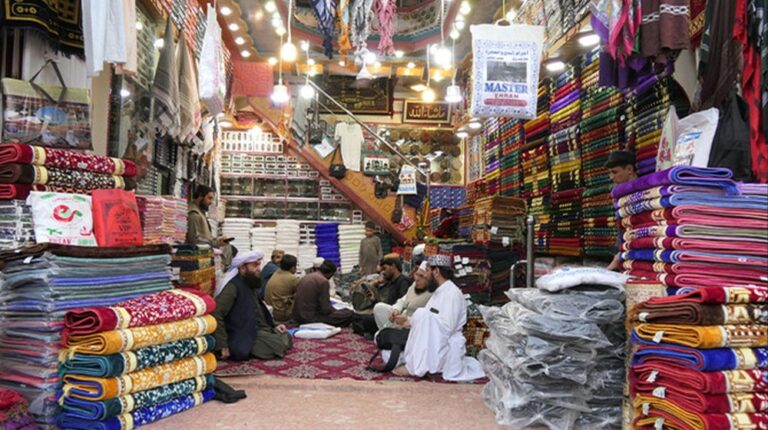
The Roshan Digital Account (RDA) experienced a notable decline in inflows during June 2025, totaling $141 million, which marks a 9 percent drop from May’s $155 million. This continues a downward trend that started in April. Despite the dip, cumulative RDA inflows have now reached $7.69 billion since its inception in September 2020.
The total number of accounts opened under the RDA initiative has surpassed 703,000. While June saw a lower monthly performance, the overall trajectory remains positive. Analysts believe external economic factors and currency fluctuations might be influencing recent trends. Still, the RDA remains a key pillar in attracting remittances and investments from overseas Pakistanis.
Roshan Digital Account inflows dropped by 9% in June 2025, falling to $141 million from $155 million in May. Despite this, the total cumulative inflows have reached $7.69 billion since the launch in 2020. Over 703,000 accounts have been opened, reflecting strong diaspora interest overall. RDA inflows, Pakistani economy, overseas remittances
Pakistan’s power generation recorded a modest year-on-year increase of 2.1% in June 2025, reaching 14,421 GWh compared to 14,122 GWh in June 2024. Despite this rise, the cost of power generation experienced a 6.3% decline, averaging Rs. 7.73 per unit, compared to Rs. 8.26 per unit in the same period last year.
Hydel sources remained the largest contributor, generating 4,866 GWh (33.7% share), followed by nuclear at 2,407 GWh (16.7%) and coal at 2,288 GWh (15.9%). LNG-based generation stood at 1,731 GWh (12%), while local gas contributed 1,099 GWh (7.6%). Import from Iran accounted for 49 GWh. Renewables such as wind and bagasse made up smaller portions at 505 GWh and 153 GWh, respectively.
Overall, the power generation mix showed stable reliance on hydel and nuclear, while costs dropped due to improved generation efficiencies and reduced dependence on more expensive fuels.
Pakistan’s power generation grew slightly by 2.1% in June 2025 with a notable 6.3% reduction in production cost. Hydel, nuclear, and coal remained key contributors, while LNG and gas followed. The energy mix continued shifting toward cost-efficient sources. power generation, energy cost reduction, hydel and nuclear energy
The White House is preparing to unveil its first comprehensive crypto policy report on July 22, a move expected to shape the future of digital assets in the U.S. The report will lay out clear regulatory guidance for cryptocurrencies, stablecoins, and blockchain technology, marking a pivotal moment for the industry.
Officials suggest the policy will aim to address financial stability risks, consumer protection, and the role of digital assets in economic innovation. The report is also expected to touch on Central Bank Digital Currencies (CBDCs) and propose frameworks for fostering responsible innovation.
Industry stakeholders are closely watching, as the report could influence future legislation and regulatory action. It may also drive global conversations around crypto standards and digital finance. The administration’s effort signals a more structured approach to a rapidly evolving space, with emphasis on security, transparency, and innovation.
The White House is set to release its first major crypto policy report on July 22, outlining frameworks for digital asset regulation, innovation, and consumer protection. The report will address stablecoins, blockchain use, and CBDCs, aiming to guide future U.S. legislation and signal stronger federal involvement in crypto governance.
cryptocurrency regulation, digital assets policy, White House crypto report
vivo has officially introduced its most powerful foldable phone yet — the vivo X Fold5. Combining performance, elegance, and practicality, this foldable flagship brings significant improvements in battery life, camera technology, and portability, making it one of the top contenders in the foldable smartphone market.
Lightweight Yet Durable Design
Weighing only 217g, the vivo X Fold5 is the brand’s lightest foldable device ever. Despite its slim form, it offers exceptional durability with an innovative kinematic hinge designed to withstand over 600,000 folds. The device is also built to endure tough conditions, including dust, water, and extreme cold — showcasing robust engineering in a sleek body.
Immersive Display Experience
The vivo X Fold5 features two premium AMOLED displays. The outer screen measures 6.53 inches, while the inner display unfolds to a massive 8.03 inches, both offering a 120Hz refresh rate, HDR10+, Dolby Vision, and a peak brightness of up to 4500 nits. These ZEISS-certified Master Color displays ensure an ultra-clear, vibrant viewing experience, even in harsh lighting.
Professional-Grade ZEISS Camera System
This foldable phone comes with a triple rear camera setup co-developed with ZEISS. It includes a 50MP main sensor, a telephoto lens offering 3x optical zoom and 100x digital zoom, and a 120° ultra-wide lens. The camera system is powered by advanced AI features that enhance low-light photography, zoom clarity, and natural color reproduction.
Massive Battery with Fast Charging
One of the major highlights of the vivo X Fold5 is its enormous 6000mAh BlueVolt battery, which provides long-lasting usage on a single charge. It supports 80W wired fast charging and 40W wireless charging, ensuring minimal downtime and maximum productivity.
Flagship-Level Performance
Under the hood, the vivo X Fold5 runs on the latest Snapdragon 8 Gen 3 chipset, paired with up to 16GB RAM and 1TB UFS 4.1 storage, delivering smooth performance and rapid multitasking capabilities. The device runs on OriginOS 5, based on Android 15, optimized for foldable interactions.
Advanced AI Productivity Features
Designed for professionals and power users, the vivo X Fold5 includes several intelligent tools:
Origin Workbench for split-screen multitasking with up to five apps
DocMaster to read and convert documents easily
Smart Call Assistant and AI Transcript Assist for real-time meeting summaries, transcriptions, and translations
AI Magic Move for seamless drag-and-drop editing within apps
These tools make it easier to work, communicate, and create on the go.
Global Launch and Availability
The vivo X Fold5 is now available globally, with premium specs and features aimed at professionals, content creators, and tech-savvy users. It is available in a configuration of 16GB RAM and 512GB storage, with sales commencing in multiple markets by the end of July.
The vivo X Fold5 offers a complete package — a lightweight foldable design, immersive displays, professional ZEISS camera setup, large battery, and AI-powered productivity. It sets a new benchmark in the foldable segment, standing out as a practical yet premium choice for users who demand the best of innovation and elegance in one device.
vivo X Fold5, foldable smartphone, ZEISS camera, 6000mAh battery, Snapdragon 8 Gen 3, OriginOS 5, AMOLED display, fast charging, AI productivity features, premium foldable phone
The Vivo X Fold 5 and Samsung Z Fold 7 are the newest contenders in the foldable phone market. Launched just days apart in July 2025, both devices offer next-gen features and premium experiences. This comparison breaks down their performance, design, display, camera, battery, software, and overall value to help you decide which foldable phone is right for you.
Performance Comparison
The Samsung Z Fold 7 is equipped with the Snapdragon 8 Elite chip, built on a cutting-edge 3 nm process. This makes it faster and more power-efficient compared to the Vivo X Fold 5, which runs on the Snapdragon 8 Gen 3. Users seeking ultra-smooth multitasking, gaming, and heavy app use will benefit more from the Z Fold 7’s advanced processing power.
Design and Build
When folded, the Vivo X Fold 5 measures 9.2 mm in thickness, while the Samsung Z Fold 7 is slightly slimmer at 8.9 mm. Both phones weigh around 215–217 g, making them similar in portability. Samsung’s upgraded hinge mechanism and sleeker profile offer a more refined feel, whereas Vivo provides a more solid, durable construction. Both devices offer premium materials and water resistance ratings, but Samsung edges ahead with its ultra-thin design and lightweight frame.
Display Experience
The Vivo X Fold 5 features a 6.53-inch outer and 8.03-inch inner AMOLED display, both supporting 120 Hz refresh rates and peak brightness up to 4500 nits. In comparison, the Samsung Z Fold 7 offers a 6.5-inch external and 8-inch internal display with similar refresh rates and vivid color performance. While both displays deliver stunning visuals, the Vivo’s slightly larger internal screen may appeal to users who prioritize immersive viewing.
Camera Features
In the camera department, the Vivo X Fold 5 sports a triple 50 MP rear setup including main, ultra-wide, and telephoto lenses, plus dual 20 MP front cameras. On the other hand, the Samsung Z Fold 7 boasts a powerful 200 MP main sensor, paired with a 12 MP ultra-wide, 10 MP telephoto, and dual 10 MP front cameras. Samsung focuses on high-resolution photography, while Vivo offers balance and versatility across all lenses.
Battery and Charging
The Vivo X Fold 5 houses a large 6000 mAh battery with 80 W wired and 40 W wireless charging. This massive capacity ensures long-lasting use and fast top-ups. Meanwhile, the Samsung Z Fold 7 comes with a 4400 mAh battery supporting 25 W wired and 15 W wireless charging. For users who prioritize battery endurance and faster charging, Vivo clearly takes the lead.
Memory and Storage Options
Samsung provides more flexibility with options including 12 GB RAM + 256/512 GB or 16 GB RAM + 1 TB storage. In contrast, the Vivo X Fold 5 offers 12 GB or 16 GB RAM paired with 512 GB storage. While both deliver flagship-tier memory configurations, Samsung’s 1 TB option will attract power users needing maximum storage.
Software and AI Features
The Vivo X Fold 5 runs Android 15 with OriginOS 5, featuring AI capabilities like Magic Move, Erase, and Image Expander. The Samsung Z Fold 7 ships with Android 16 and One UI 8, supporting up to seven years of OS updates. Samsung’s Galaxy AI features include Generative Edit, Photo Assist, Drawing Assist, and Writing Assist, giving users a more future-ready and AI-driven experience.
Price and Value
The Vivo X Fold 5 is priced more affordably, making it attractive to users wanting high-end features without a top-tier price tag. On the other hand, the Samsung Z Fold 7 comes at a premium but delivers unmatched software longevity, better camera quality, and slightly more polished hardware. The final choice depends on your budget and the features you value most.
Choose the Samsung Z Fold 7 if you’re looking for the best foldable phone in terms of power, design, and future-proof software updates. However, the Vivo X Fold 5 is a strong competitor offering superior battery life, competitive cameras, and flagship features at a lower price point. Both phones push the boundaries of foldable tech, and you can’t go wrong with either depending on your priorities.
Vivo X Fold 5, Samsung Z Fold 7, foldable smartphones, best foldable phone 2025, Snapdragon 8 Gen 3, Snapdragon 8 Elite, Galaxy AI, OriginOS 5, foldable phone comparison, Vivo vs Samsung foldable, premium Android foldable
The Federal Tax Ombudsman (FTO) has initiated an investigation into the Federal Board of Revenue’s (FBR) failure to trace Pakistanis who obtained UAE Golden Visas over the past five years. Despite multiple data-sharing opportunities and over 19,000 visas issued, FBR reportedly took no effective action to identify potential tax evaders. The probe aims to determine whether FBR’s inaction led to tax losses or negligence in handling international information exchange agreements.
FTO is investigating FBR’s inaction in tracing over 19,000 Pakistanis with UAE Golden Visas. The five-year lapse raises concerns of missed tax recovery opportunities and poor use of international data sharing. The inquiry will assess systemic failures in enforcement and accountability. FBR negligence, UAE Golden Visas, tax evasion investigation
The federal government has launched a comprehensive restructuring plan for the National Information Technology Board (NITB) to boost digital governance and improve public service delivery. The restructuring aims to modernize the organization’s operations, make it more agile, and better aligned with the evolving digital landscape of Pakistan.
Key goals include streamlining services, promoting innovation, and ensuring that the NITB becomes a more effective arm of digital transformation. The new structure will involve a performance-driven approach, empowering the board to deliver timely and efficient tech solutions for government departments.
Authorities believe that this overhaul will help eliminate bureaucratic delays, strengthen cybersecurity protocols, and enable faster implementation of e-governance initiatives across the country.
The government has begun restructuring the National Information Technology Board (NITB) to improve digital services and governance. This move aims to make the board more efficient, responsive, and innovation-driven, aligning with Pakistan’s digital transformation goals. The new structure emphasizes agility, cybersecurity, and streamlined public service delivery. NITB restructuring, digital governance, Pakistan IT sector
The Pakistan Cricket Board (PCB) has increased the number of players in its central contracts list to address the demands of an intense international cricket calendar. The move aims to ensure greater player rotation, better workload management, and performance sustainability across formats. More players will now be financially supported and kept match-ready throughout the year.
This step reflects the PCB’s commitment to player welfare, particularly with back-to-back tours and tournaments lined up. By broadening the contracts pool, the board hopes to maintain competitiveness while avoiding burnout among key squad members. The decision also gives emerging talent a chance to be closely monitored and developed.
PCB has expanded its central contracts pool to manage the pressure of a tight international cricket calendar. This strategy focuses on rotating players efficiently, preventing fatigue, and enhancing performance. It also brings more emerging players into the fold, ensuring depth and continuity in team selections. PCB central contracts, Pakistan cricket team, player workload management
Former New Zealand coach Mike Hesson has attributed Pakistan’s recent loss to India in the Asia Cup to poor pitch conditions in Mirpur. He criticized the uneven bounce and lack of consistency in the surface, stating that it disadvantaged Pakistan’s batting lineup. Hesson emphasized that such pitches hinder fair competition and called for better preparation ahead of high-profile matches.
The match saw Pakistan struggling to adapt to the unpredictable surface, leading to a significant defeat. Experts have echoed Hesson’s sentiments, urging groundsmen to prioritize balance and playability in pitch curation, especially in international tournaments.
Pakistan’s loss to India was blamed on a substandard Mirpur pitch by Mike Hesson, who highlighted inconsistent bounce and poor surface conditions. He stressed that such conditions affect fair play and called for improved pitch standards in international matches.
Pakistan vs India, Asia Cup 2025, Cricket pitch controversy
The Pakistan Telecommunication Authority (PTA) has issued a public warning about a surge in fraudulent WhatsApp messages being used by hackers to steal users’ private data. These fake messages often appear to come from trusted contacts or official-looking numbers, tricking users into clicking malicious links or providing sensitive information.
The PTA has urged citizens to remain vigilant and avoid engaging with unknown or suspicious WhatsApp messages. Users are advised to verify the authenticity of any message requesting personal data and to report such incidents immediately. The authority emphasized that clicking on unknown links can result in unauthorized access to banking details, personal conversations, and more.
In light of this threat, the PTA is collaborating with telecom operators to trace and block suspicious numbers and sources. The authority is also considering launching public awareness campaigns to educate users on digital safety and secure communication practices.
PTA warns the public against fake WhatsApp messages used by hackers to steal private data. Users are urged not to click suspicious links or share personal info. The authority plans to trace malicious sources and promote digital safety awareness. cybersecurity alert, fake WhatsApp messages, PTA public warning